Inside ‘Little House on the Prairie’s filming locations and why the Netflix show isn’t set in Walnut Grove
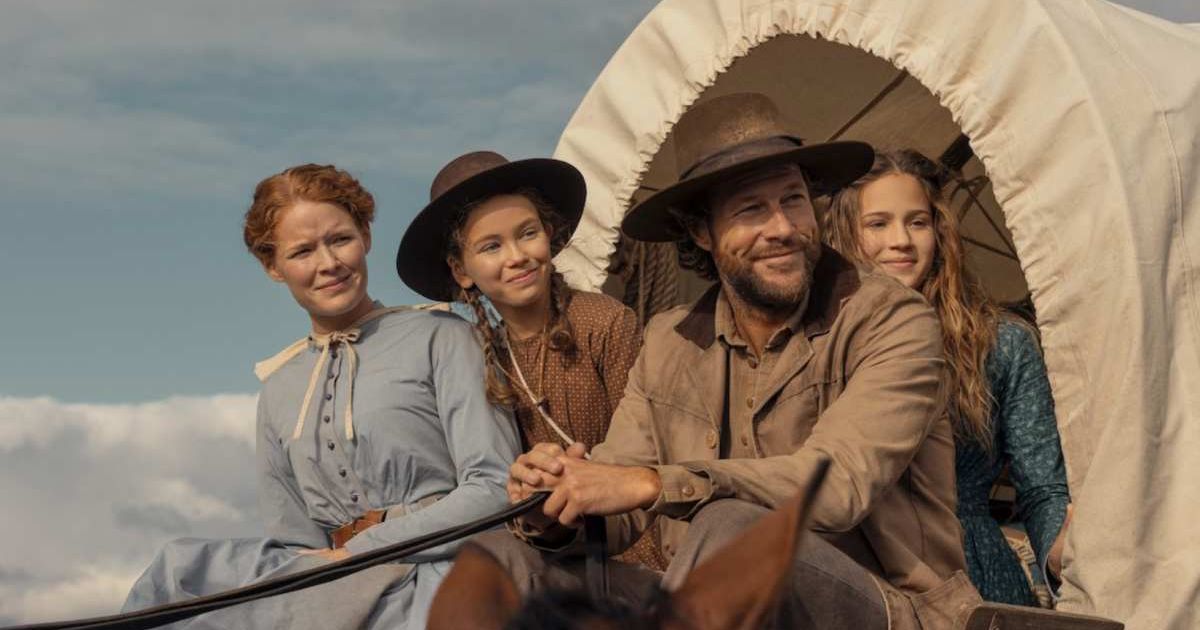
Netflix's adaptation of 'Little House on the Prairie,' based on Laura Ingalls Wilder's series of the same name released on Netflix on July 9. The audience was not only captivated by the heartwarming storylines but also by the stunning locations that brought the 19th-century American Midwest to life. For those unaware, the children's books were a semi-autobiographical retelling of the author's childhood. The books capture Laura and her family's move to the American Midwest, where they seek to begin a new life. The team used a variety of locations to recreate this new beginning. However, it is not the first time these books have been adapted into a series. Previously, NBC aired a hit adaptation for nine seasons and several specials. This adaptation remains closest to the fans' hearts, with many comparing it to the Netflix series.
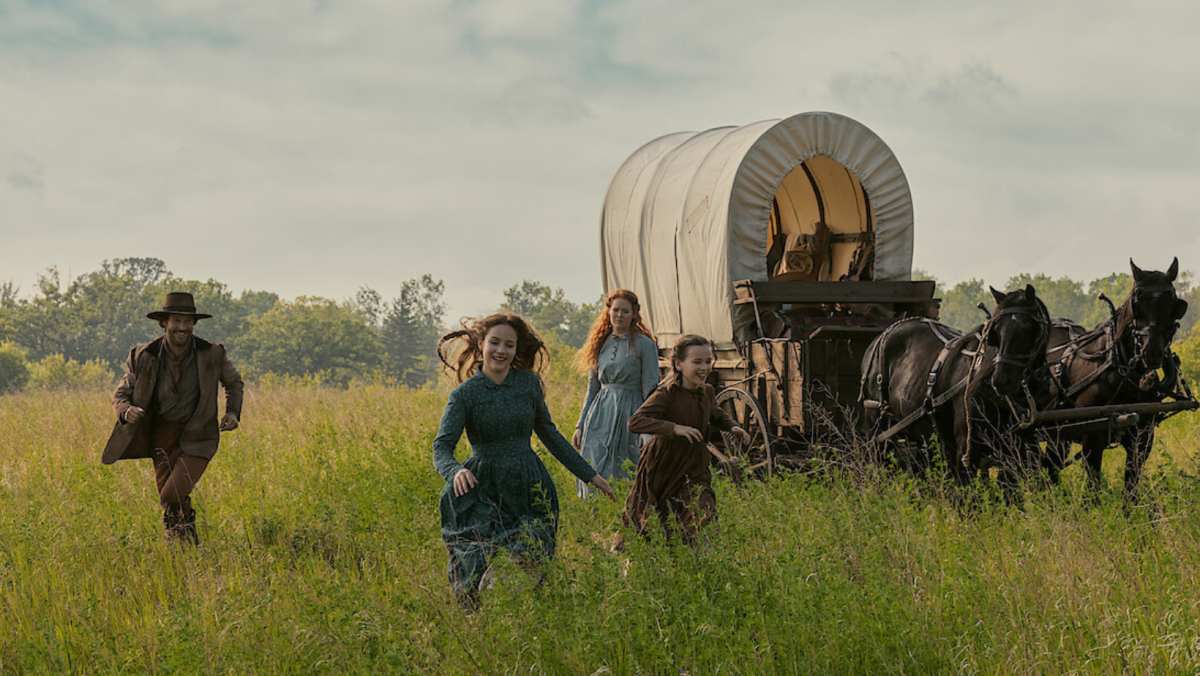
The NBC adaptation followed the Ingall family on a small farm near the village of Walnut Grove, Minnesota. The village also features in the original series, primarily as the setting of the fourth book titled 'On the Banks of Plum Creek' (1937). Due to NBC's take, Walnut Grove has become synonymous with the series. Hence, it was shocking when Netflix refused to incorporate this element in its adaptation. The Netflix adaptation was set near Independence, Kansas, rather than Walnut Grove, Minnesota. The reasoning behind it was simple: the Netflix adaptation is a closer look at the first three novels of the series. These novels followed the Ingall family's move from Wisconsin to the Kansas prairie. Hence, it does not cover their later life in Walnut Grove.
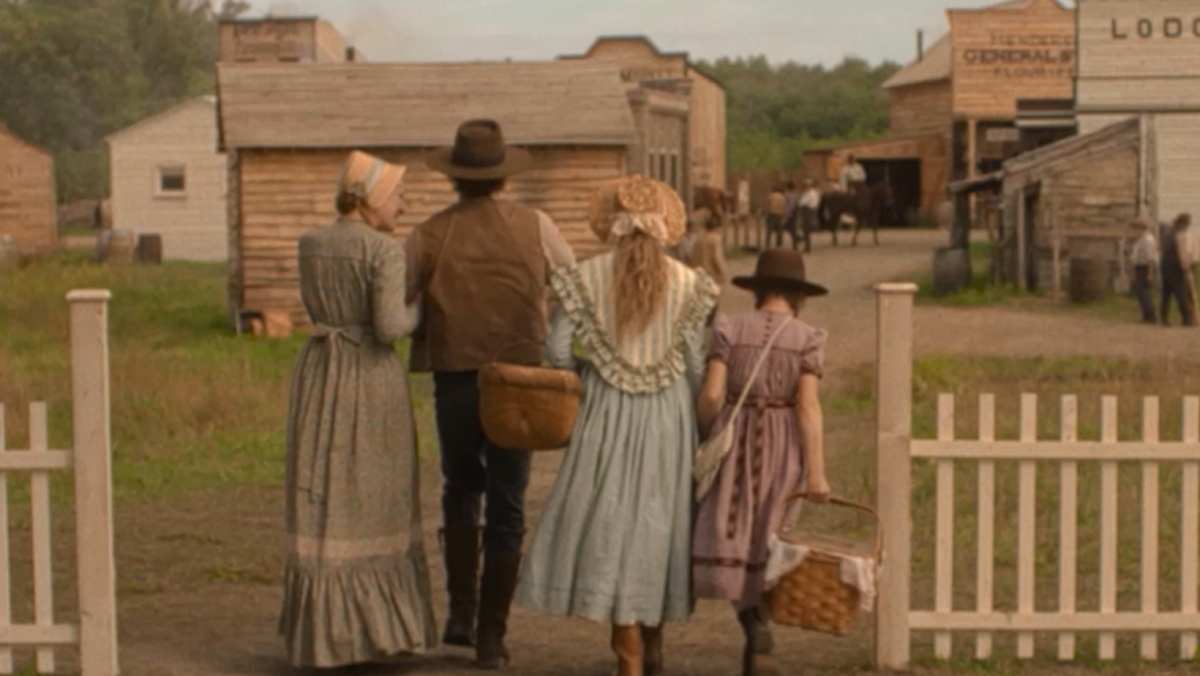
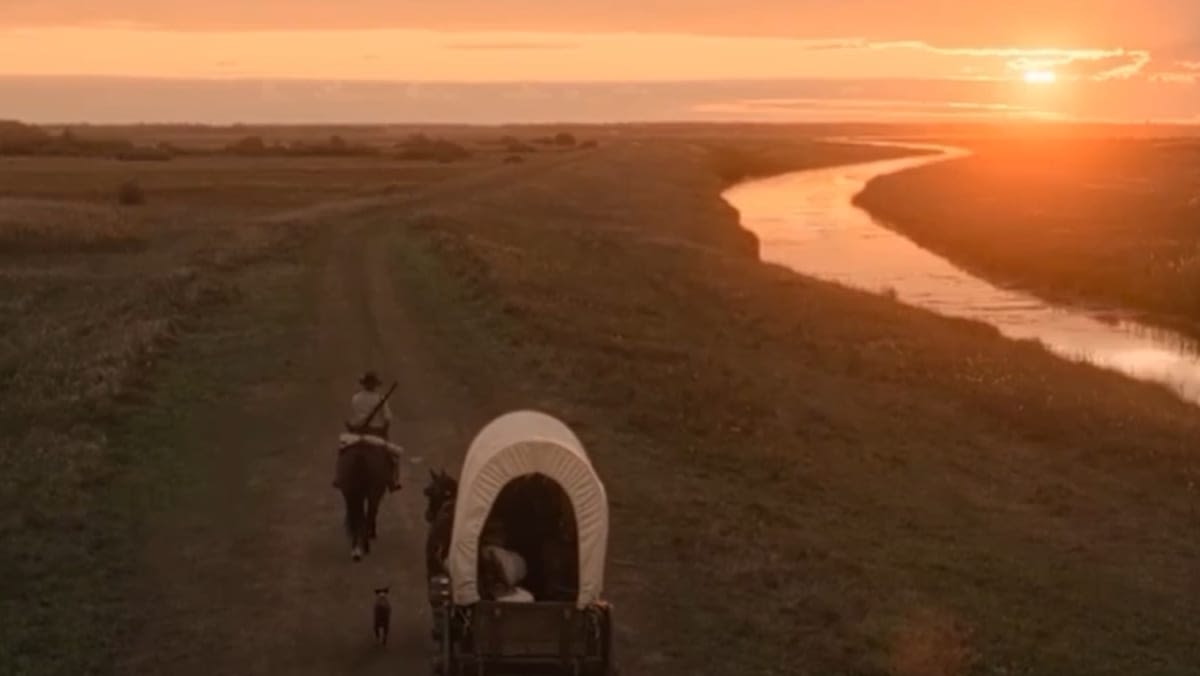
Netflix describes the show as "part family drama, part epic survival tale, and part origin story of the American West." To bring the American West to life, showrunner Rebecca Sonnenshine depended on both the book and the perception of readers while interacting with the work. "When you think of the prairie, you picture vast landscapes of rolling hills and grass and sky, but it’s also so much about these small, very intimate details," Sonnenshine shared with the streaming service. "That is our goal: to capture the vastness of the prairie but also all the details that make the book so special for people, whether they're kids or adults." Most of the filming took place north of Winnipeg due to its similarity to the lands inhabited by Ingalls in the first three books.
According to Travel + Leisure, Cooks Creek, with its rural farmlands and natural features, became the community Ingalls fell in love with during their stay. To create an authentic recreation of Independence town, the production constructed an expansive backlot featuring 29 full-standing buildings, all rising from a prairie. "The prairie is raw and beautiful, but challenging," said production designer Jonah Markowitz. "It's a dynamic landscape, which worked well for the story."
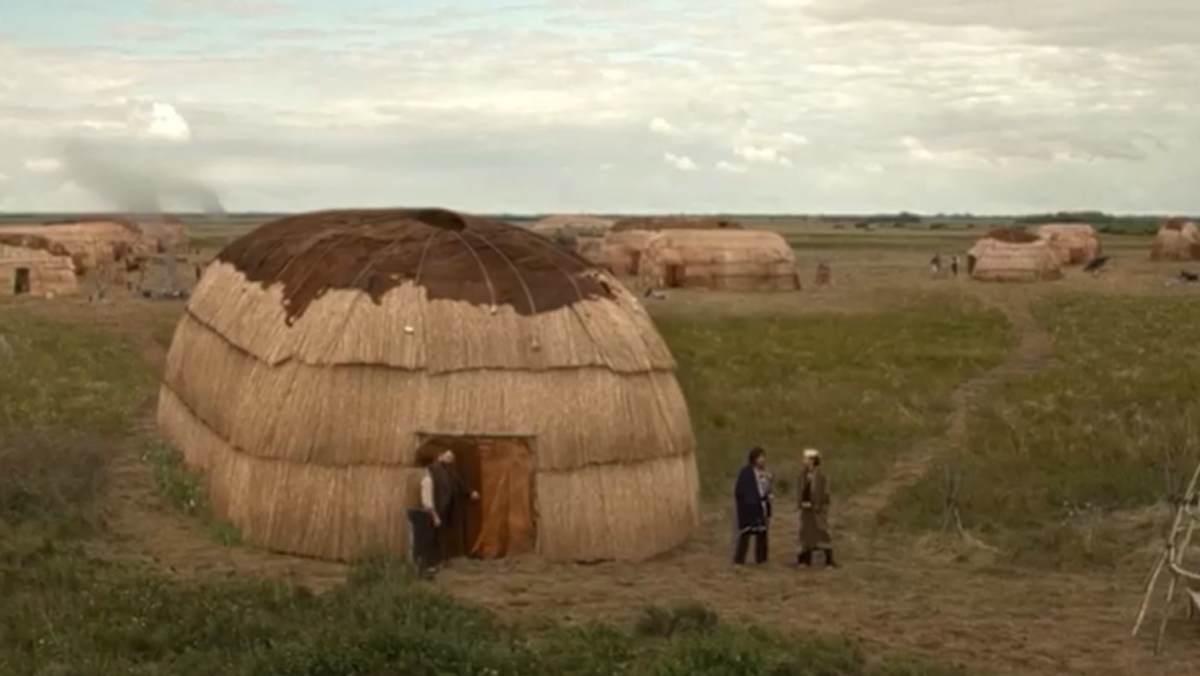
The winter scenes from the show were reportedly set in Fort Gibraltar, located in Whitter Park of Winnipeg's St. Boniface neighborhood. The series captured all seasons of Winnipeg to provide a realistic depiction of Ingalls on the prairie. "We wanted to make a beautiful show people could get lost in, while also giving them a connection to the books — making them feel like they’re watching what they read," Mrakowitz added. Winnipeg also served as a location for the show. This choice was apt, as this adaptation aimed to highlight indigenous characters and storylines. Winnipeg, Canada, carries the legacy of First Nations people. All episodes of 'Little House on the Prairie' are currently streaming on Netflix.