What happened to the Costa Concordia? Netflix revisits the 2012 tragedy in new ‘Shipwrecked’ documentary
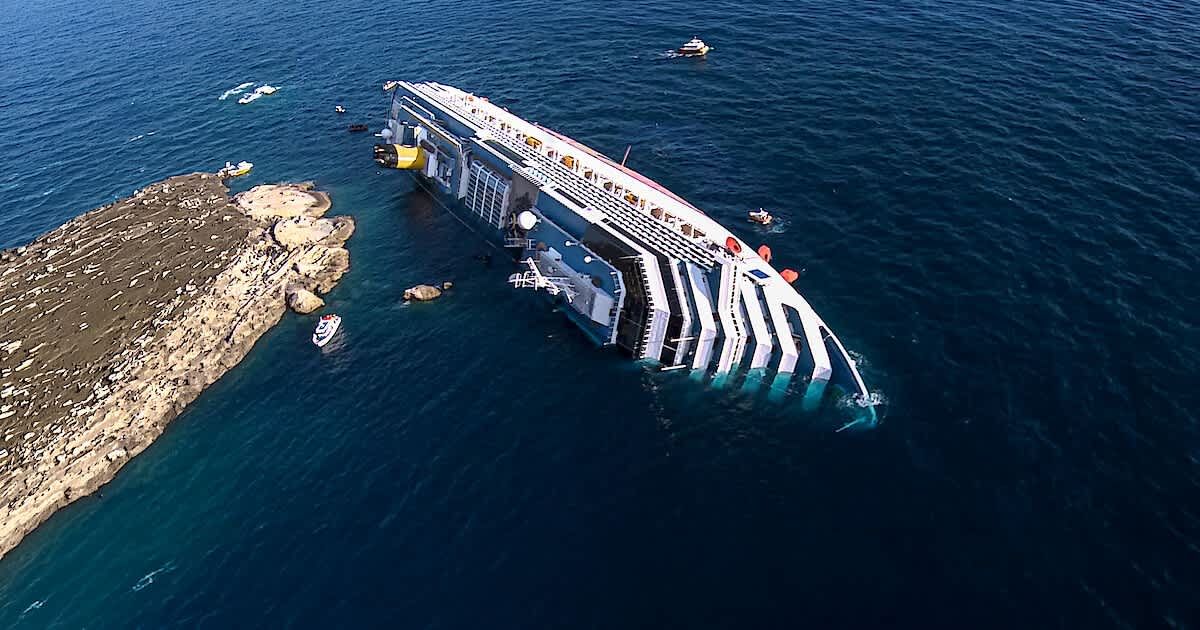
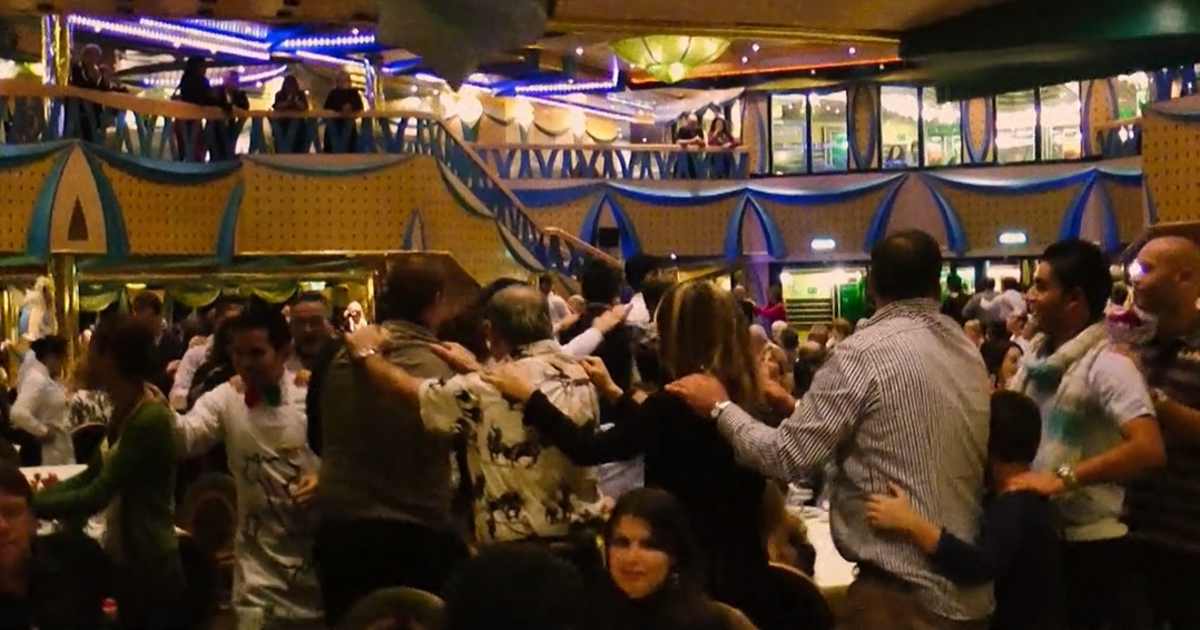
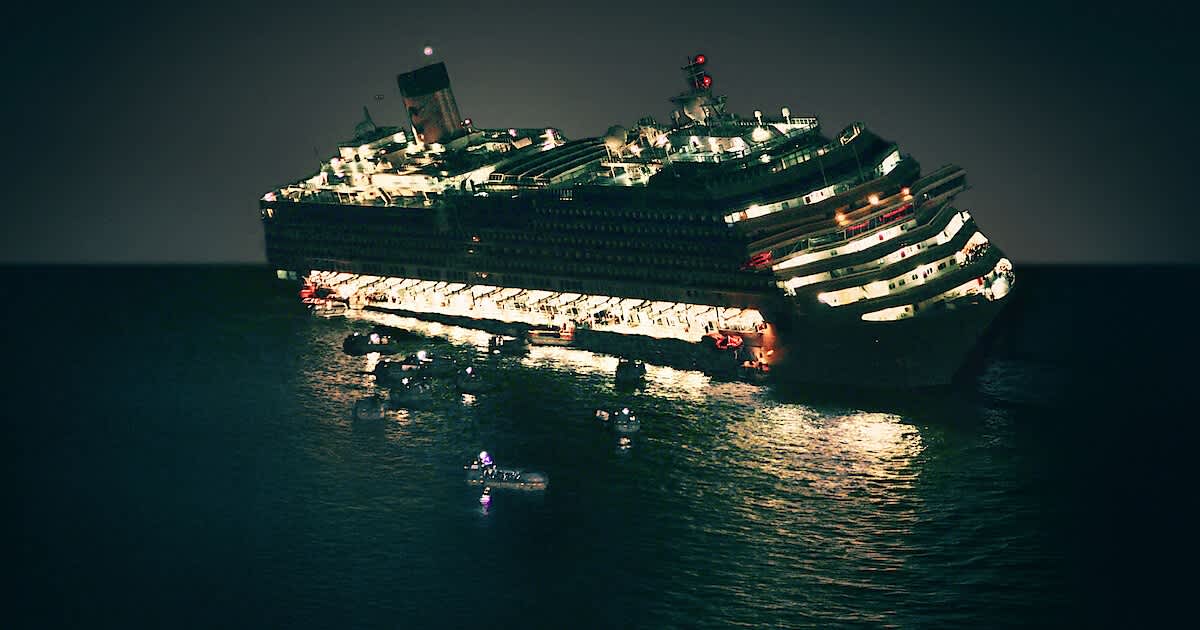
More than a decade after one of the world's deadliest modern cruise ship disasters, Netflix is taking viewers back to the night the Costa Concordia capsized off the coast of Italy. The streaming platform released its new documentary, ‘Shipwrecked: Nightmare at Sea’, on July 10. It revisits the catastrophic 2012 accident through survivor testimony, previously unseen footage, and a fresh look at the chain of events that left 32 people dead. On the evening of January 13, 2012, the Costa Concordia was carrying over 4,200 passengers and crew during a Mediterranean cruise when disaster struck near Giglio Island. The massive cruise ship, measuring roughly 1,000 feet long and weighing around 122,000 tons, drifted too close to the shoreline before slamming into underwater rocks. The collision ripped open the vessel’s hull, eventually causing it to lean heavily before partially sinking just off the Italian coast. As power failed and the ship tilted farther onto its side, thousands of passengers rushed to find safety.
Among those onboard was Alaska resident Nate Lukes, who was traveling with his wife, Cary, and their four daughters. Speaking to TODAY in 2022, Lukes recalled, “There was really a melee there is the best way to describe it. It’s very similar to the movie ‘Titanic’. People were jumping onto the top of the lifeboats and pushing down women and children to try to get to them.” Investigators later concluded that the disaster began after Captain Francesco Schettino intentionally steered the ship close to Giglio Island to perform what is known as a “salute.” The maneuver was reportedly meant as a tribute to one of the ship’s waiters, who came from the island. Schettino believed there was enough water beneath the vessel to complete the pass safely, but he misjudged the distance. Instead, the cruise liner struck a rock, tearing a massive opening below the waterline. Less than a month after the accident, Schettino admitted to investigators that his own decision had caused the disaster.
According to a transcript of his testimony, he said, “I may have done something rash, I did do something rash, but God would have made it alright for me if I hadn’t set the rudder to starboard,” as quoted by NBC. He also acknowledged, “That’s what I remember from that moment, and I tell it to you with the utmost sincerity, because as an intelligent man, as a commander, I can’t hide. I have to take responsibility for the fact that I made a judgment error.” The Costa Concordia disaster claimed 32 lives. Two years later, the tragedy claimed another victim when a diver died during the complex recovery operation. His leg became trapped beneath an underwater sheet of metal while helping prepare the wreck for removal. Questions surrounding Schettino’s actions did not end with the collision itself. An April 2012 report by Vanity Fair detailed allegations that Schettino delayed contacting emergency responders after the ship struck the rocks.
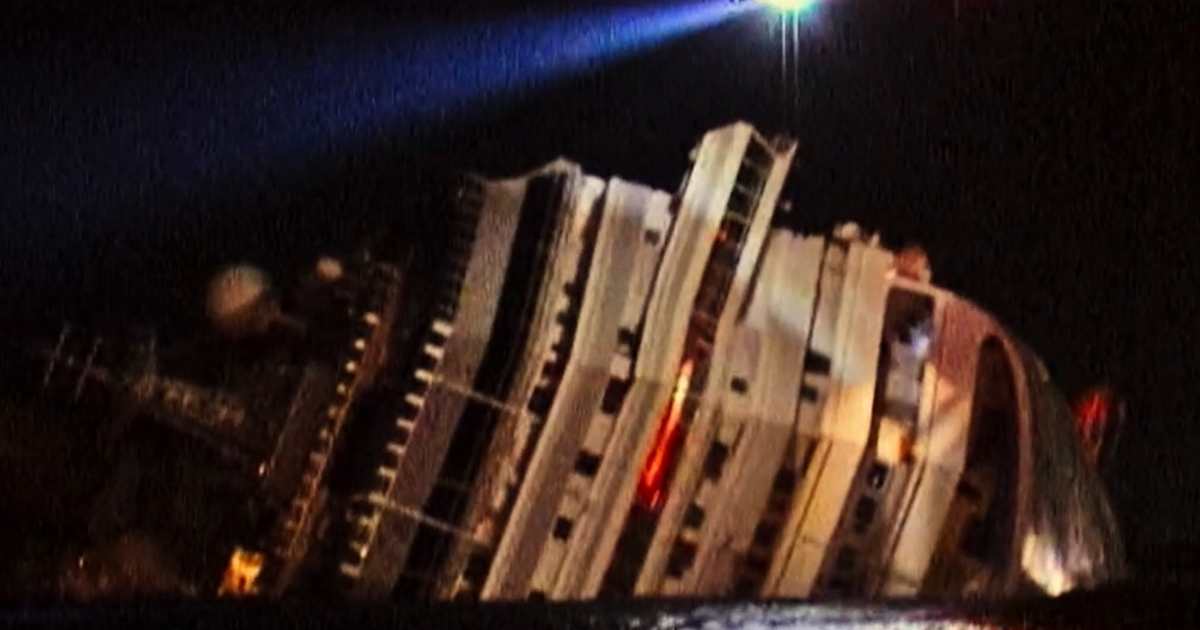
One passenger claimed the captain had been drinking wine before the accident. The report also stated that he relied on visual judgment instead of properly using navigational charts and radar while bringing the vessel close to shore. After the rocks were spotted, investigators found that Schettino made a critical mistake by steering the ship to starboard instead of port, causing the stern to strike the rocks and tear a roughly 230-foot gash in the hull. Authorities also concluded that emergency communications were mishandled, as the crew reportedly told the Italian Coast Guard the ship had only lost power and did not need assistance, delaying rescue efforts. Schettino later tried to stabilize the vessel by dropping an anchor, but the attempt failed because too much anchor chain was released.
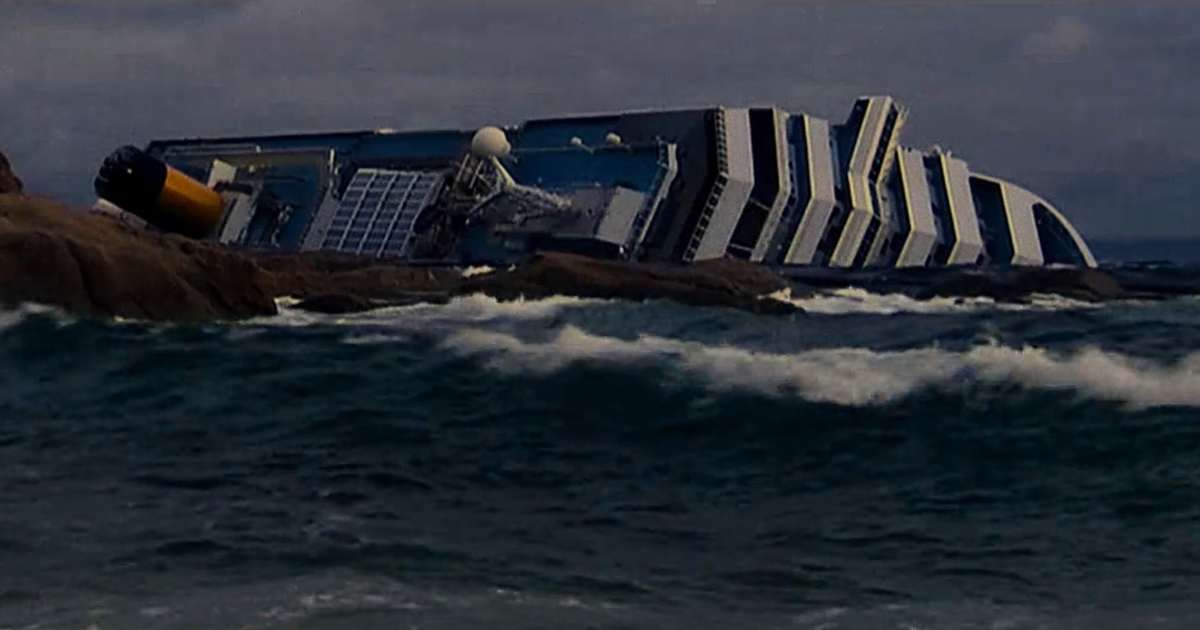
Schettino faced intense criticism for leaving the Costa Concordia before all passengers had been rescued. While he claimed he accidentally fell into a lifeboat, recordings revealed Coast Guard officials repeatedly ordered him to return and coordinate rescue efforts. Instead, he pleaded not to be sent back onto the listing ship. His actions became central to the criminal case, and in 2015, Schettino was convicted of multiple counts of manslaughter, causing a shipwreck, and abandoning the vessel, receiving a 16-year prison sentence.