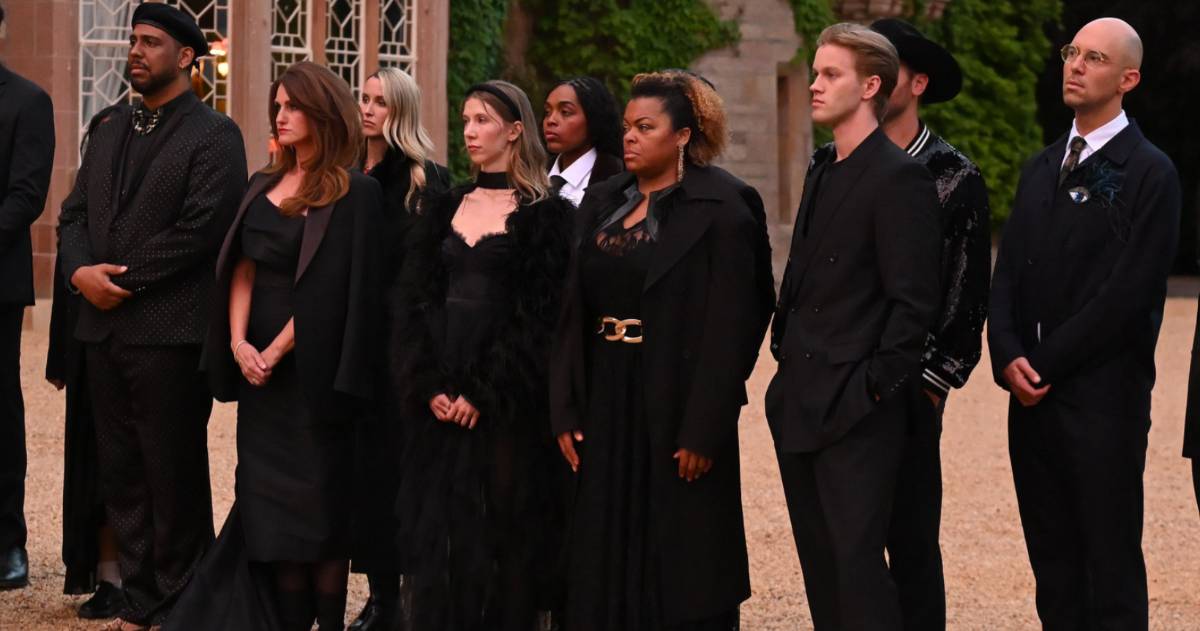
What is ‘The New Stanford Prison Experiment’? Inside Netflix’s controversial reality series
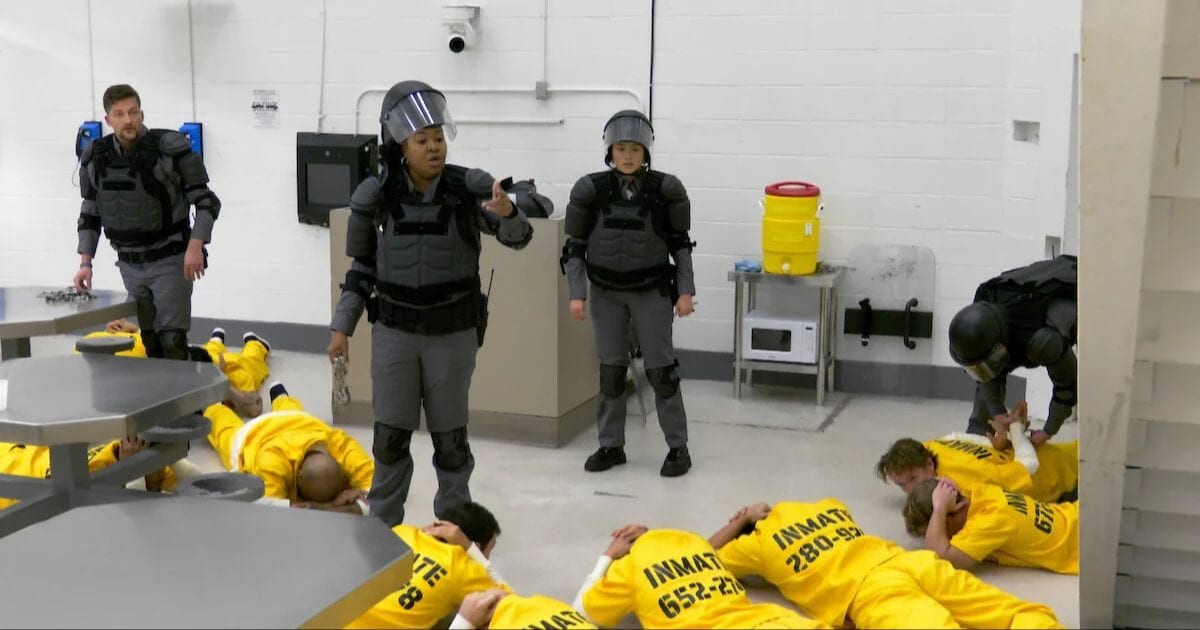
In August 1971, Philip Zimbardo, a Stanford University psychology professor, transformed the basement of the university’s psychology building into a mock jail and assigned 24 male college students to take on the role of a guard or prisoner. The experiment was intended to last one or two weeks. After two days, the prisoners barricaded themselves in their cells with their beds while the guards responded by attacking them with fire extinguishers and forcing them to sleep on the concrete floor. It was terminated after six days when it became clear that the guards had become abusive and several prisoners were experiencing breakdowns. 55 years later, Netflix is set to recreate this experiment with new participants.
‘The New Stanford Prison Experiment’ is an unscripted 6-episode series that is set to debut on Netflix on October 21. Each episode is 45 minutes long and stars 30 volunteers who enter a real prison, where they are randomly assigned to be guards or prisoners. The official synopsis reads, “In this modern reimagining of the infamous study, 30 people enter a real prison for two weeks and shifting power dynamics expose what they’re capable of.” The series was brought to life by Alfred Street Industries, a production company run by Jane Lipsitz and Dan Cutforth, who also serve as executive producers. Previously, the two worked together on ‘Top Chef’ and ‘Project Runway’, reality TV competitions focused on food and fashion, respectively. Other executive producers include Nan Strait, Dan Volpe, Jeff Grogan and Mike Odair.
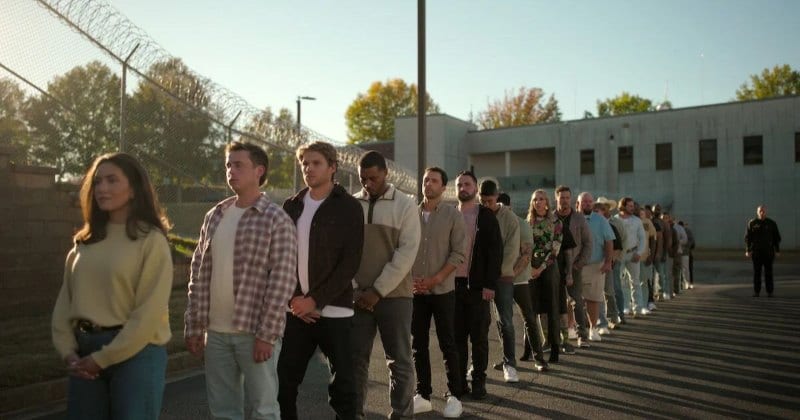
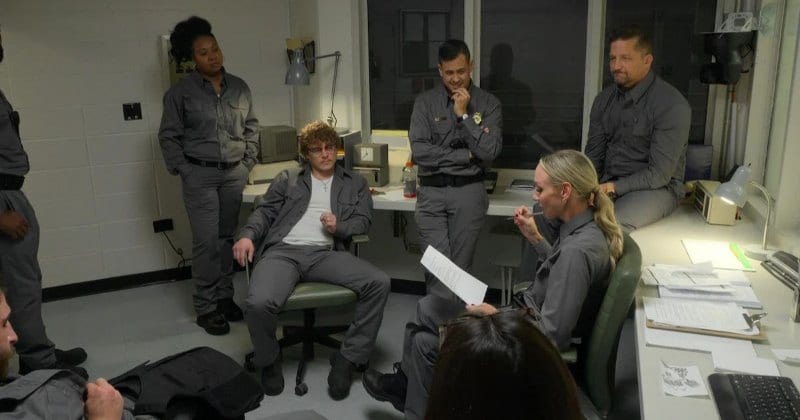
According to Lipsitz and Cutforth, the two-week show took place in a section of the Adult Detention Center in Cherokee County, Georgia, that had been closed down. Eight participants played the role of guards during day and night shifts while 22 played prisoners. As the latter arrived at the detention center, they were greeted by the sound of real prisoners yelling and heckling behind bars. Six participants dropped out due to the intensity of the experience, although not all of them made it far enough to be included in the final cut of the series. Notably, unlike in Zimbardo’s experiment, some of those who took part in the series have a criminal record, including “Scary” Larry Foy, one of the participants. He estimates that he has spent over 300 days in prison.
According to Tudum, each participant had to go through psychological screening before being allowed to participate in the experiment. They were also given a “safe word” that they could use to exit the experiment at any time. Furthermore, there were psychologists on standby to speak to them at any time. Robotic cameras captured footage of inside the prison, limiting the staff’s exposure to the group. Moreover, the show’s cast is comprised of both males and females and comes from different parts of the country. They hold differing political views and belong to different ethnicities.
Three experts are also featured in the series: Alison Wood Brooks, a behavioral psychologist from Harvard, Trymaine Lee, a Pulitzer Prize-winning journalist, and Michael Cantrell, a retired federal prison warden. Moreover, this is not the first time that a TV series has been made about the Stanford prison experiment. In 2002, the BBC aired ‘The Experiment,’ a series about a group of 15 men who were placed in a fake prison for eight days. A film also came out in 2015 titled ‘The Stanford Prison Experiment,’ in which Billy Crudup played the role of Zimbardo. It premiered at the Sundance Film Festival.