Who is the ‘Prince That Was Promised’? ‘HOTD’ Season 3 finale has a chilling connection to ‘GOT’
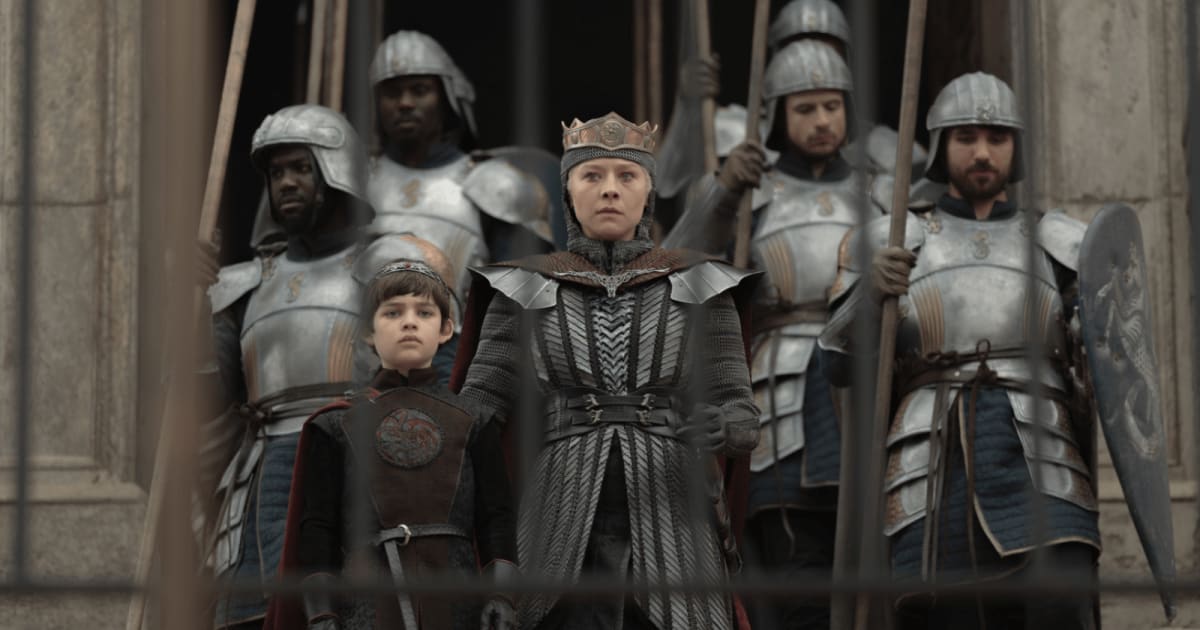
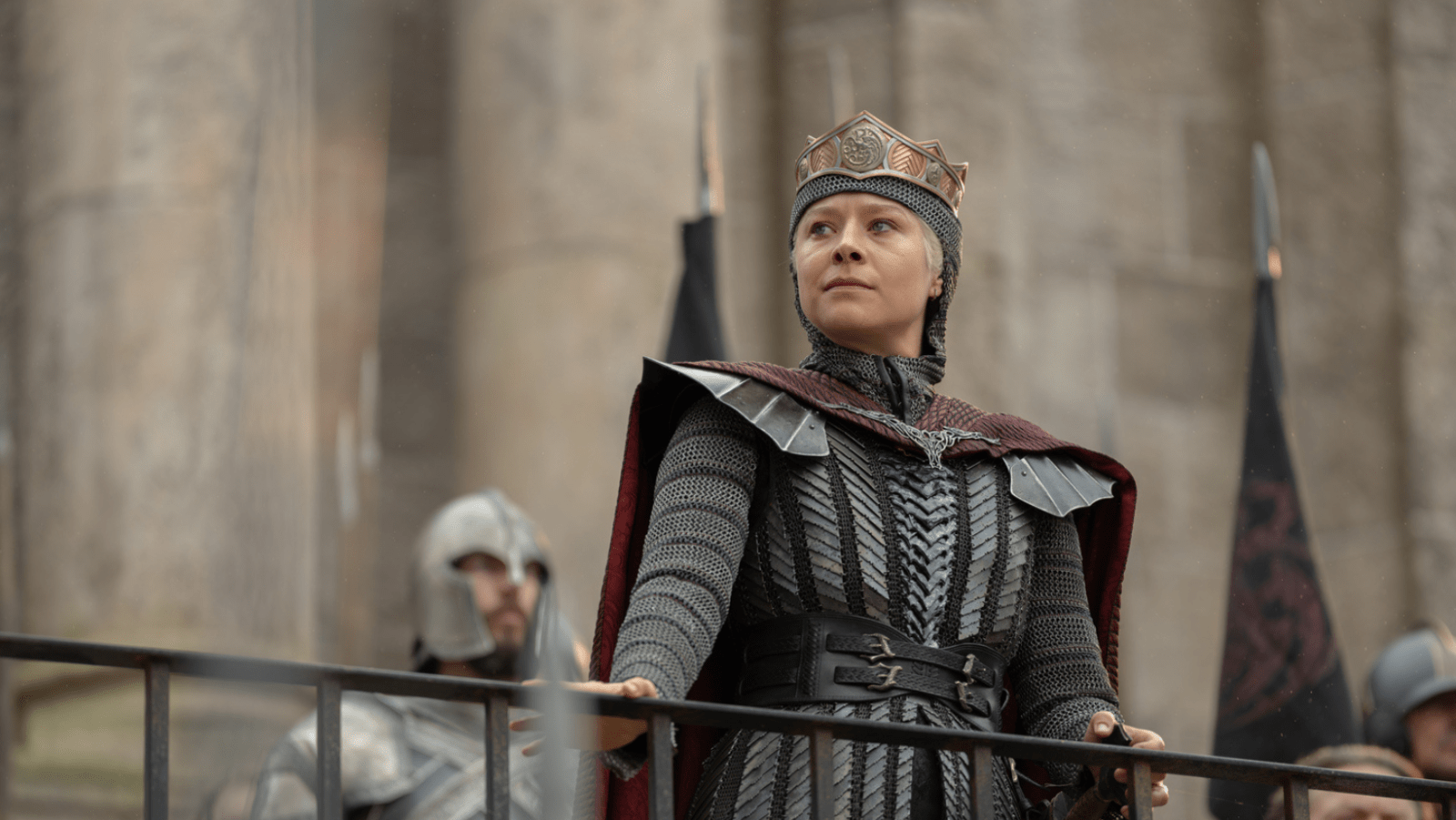
'House of the Dragon' Season 3 finale took everyone by surprise when it showed the prophecy that has been haunting 'Game of Thrones' fans for decades. The prophecy is associated with 'The Prince That Was Promised.' Fans are mostly divided between Jon Snow and Daenerys Targaryen over this prophecy called 'A Song of Ice and Fire.' However, in the finale, Rhaenyra Targaryen (Emma D'Arcy) declared herself the 'Prince' in front of hordes of smallfolk. This is a sharp deviation from both books and the sequel series 'Game of Thrones,' where it seems like only certain Targaryen rulers and select individuals knew of this prophecy. The fact that common folk were aware of it, at least in the show universe, is shocking, considering none of them took any action regarding this prophecy.

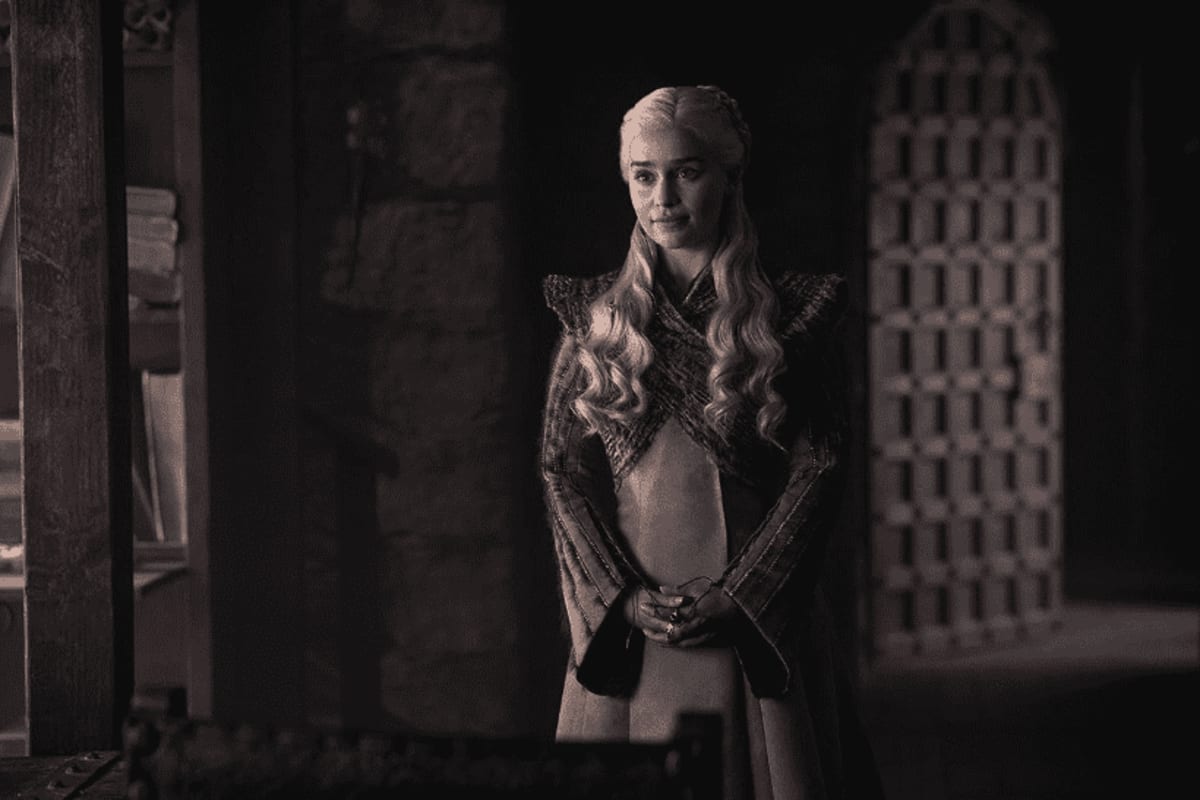
For those unaware, 'The Prince That Was Promised' has mostly been mentioned and discussed in detail by Melisandre, played by Carice van Houten, in 'Game of Thrones'. In the books, several characters such as Melisandre and Rhaegar discuss the prophecy. Aegon I inscribes the prophecy on the dagger that Arya eventually uses to kill the White King. "From my blood will come the Prince That Was Promised, and his will be the Song of Ice and Fire," the prophecy reads.

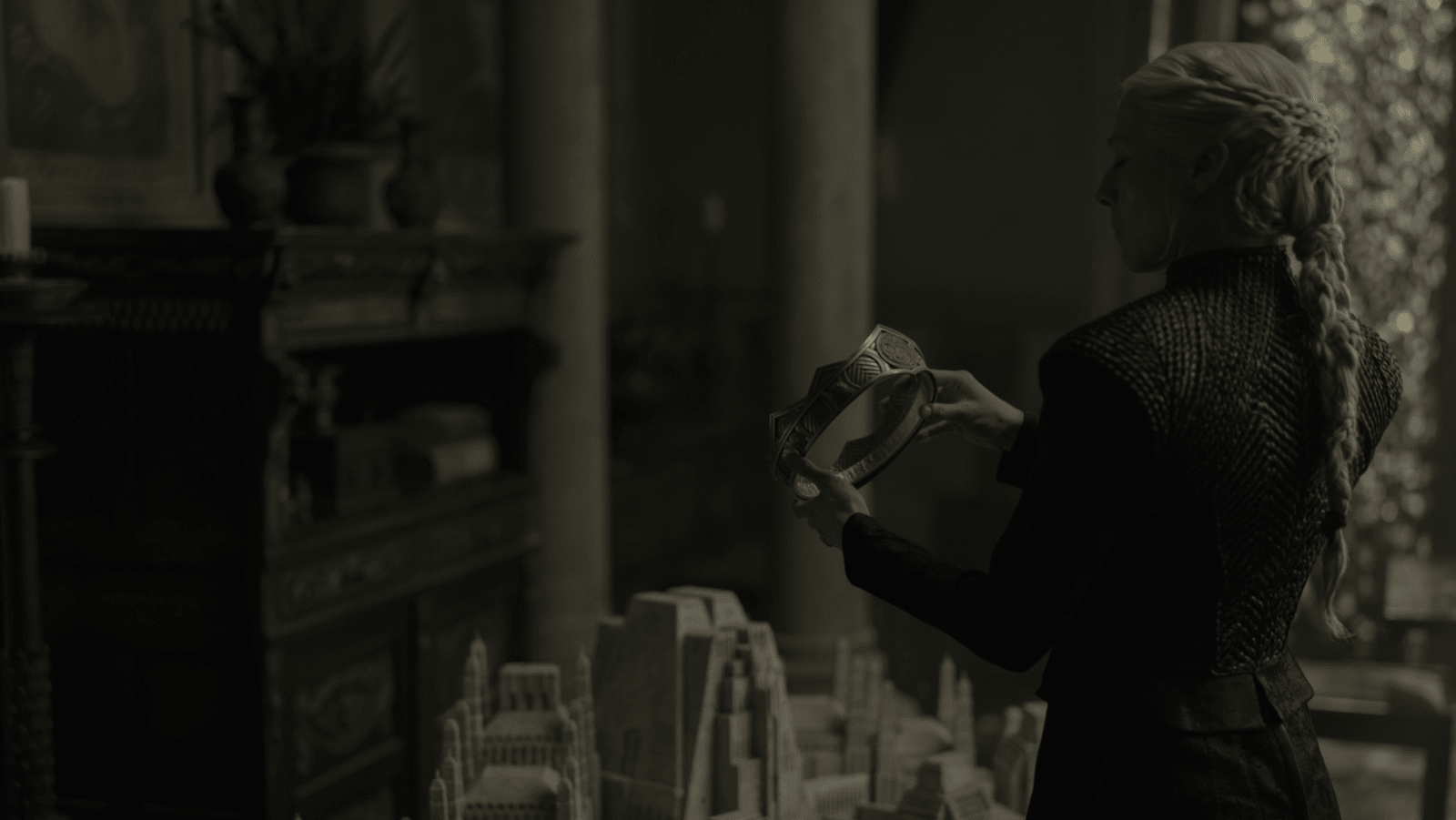
Viserys explained the prophecy in detail while crowning Rhaneyra as his successor. "Just as Daenys foresaw the end of Valyria, Aegon foresaw the end of the world of men, just to begin with a terrible winter gusting out of the distant north. Aegon saw absolute darkness riding on those winds and, whatever dwells within, will destroy the world of the living when this great winter comes. All of Westeros must stand against it, and if the world of men is to survive, a Targaryen must be seated on the Iron Throne- a king or queen strong enough to unite the realm against the cold and the dark. Aegon called his dream the 'Song of Ice and Fire,'" Viserys explained to his successor Rhaenyra. Targaryens across generations have been passing this prophecy from one ruler to another.
In the finale, after ordering the death of High Septon, the head of the Faith in Westeros, Rhaenyra reveals this prophecy to the public. "Before his death, my father, Viserys the Peaceful, named me his heir....My rule was already ordained; it was prophesied, long before even Viserys was born. It began with the doom, when fire and hell erupted to destroy old Valyria and her people. Only the Targaryens survived. My family alone were spared. The gods summoned my ancestor, Aegon the Conqueror, to the Seven Kingdoms to unite a fractured realm, beneath one banner of black and red. They named him Protector of the World of Men. His duty to shield it from an ancient and sinister darkness that looms in the far north, beyond the walls, beyond the lands of winter. And only the might of dragons can stand against it. The conqueror passed this sacred charge to his chosen descendants, to the old King Jahaerys, then to my father, then to me. The Hightower line cannot fulfill this prophecy. If your world is to survive, I must light the way because I am the shield of the people. I am Rhaenyra the Chosen," she declares to the crowd.
Thereafter, in Valyrian, she announces herself as the 'Prince that was Promised.' Ryan Condal, the showrunner, addressed the deviation in a press conference, according to THR. In the conference, he explained that the common folks did not take Rhaenyra seriously, and hence the prophecy was never much of a talking point for them. "It's not in the book, and it's not in the history, but there is a bunch of talk about how Rhaenyra became very despotic, and became a tyrant at the end, and was very unpopular with the people," said Condal. "So much of [the Targaryens'] existence is their self-aggrandizement. For the stonemasons standing there in the crowd just looking up at this [speech], it could just sound like somebody trying to make something of themselves."
Condal further explained that his intention behind the revelation was to facilitate "a real seismic change, a sea change in Rhaenyra's relationship to her people." Calling herself their savior, just minutes after killing their religious leader, will change the way the people look at Rhaenyra. It sheds light on the behavior that turned the public against 'the realm's delight.' The prophecy is helping Rhaenyra justify her actions, no matter how cruel they are. But ultimately it is futile as the prince in question arrives decades later. "We know that Rhaenyra's not the chosen one. If there is a chosen one, a 'Prince That Was Promised' in the story, it's 200 years away. It's Jon Snow, or it's Daenerys, depending on how you interpret the prophecy," Condal explained to Business Insider. "But of course, Rhaenyra and Daemon have no way of knowing that." To know how Rhaenyra's future shapes up in the Targaryen Civil War, fans need to tune in to HBO for 'House of the Dragon' Season 4.