
Is Lucie’s father alive? ‘A Tale of Two Cities’ Episode 1 ending explained and how it differs from the book
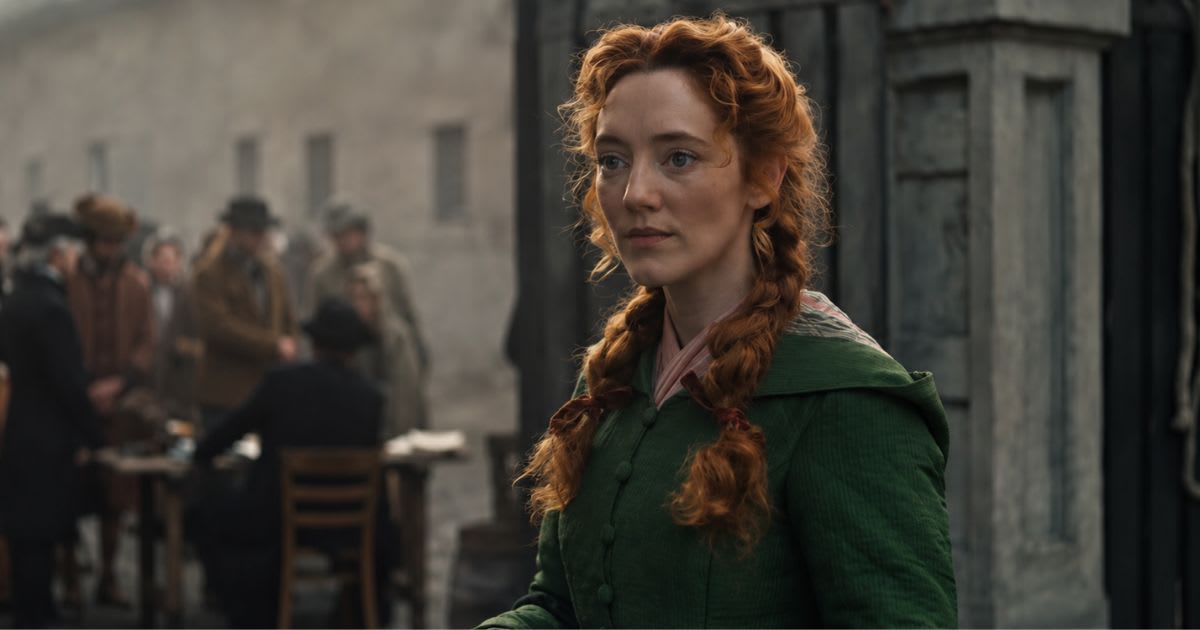
Charles Dickens started his 1859 novel with a sentence about the best and worst of times. The new adaptation by MGM+ starts with a knife to the wound. ‘A Tale of Two Cities,’ the four-episode limited series, which stars Kit Harington as Sydney Carton and François Civil as Charles Darnay, with Mirren Mack as Lucie Manette, premiered with ‘Recalled to Life’ on September 6. The first episode reveals that this adaptation will deviate from the source material in meaningful ways, most notably regarding Lucie. The first episode starts 18 years in the past. A young Lucie watches as soldiers take her father away outside her Parisian residence, where he appears to die instantly. Cut to the present: Lucie, raised in London by Jarvis, who has recently died, leaves her a fortune.
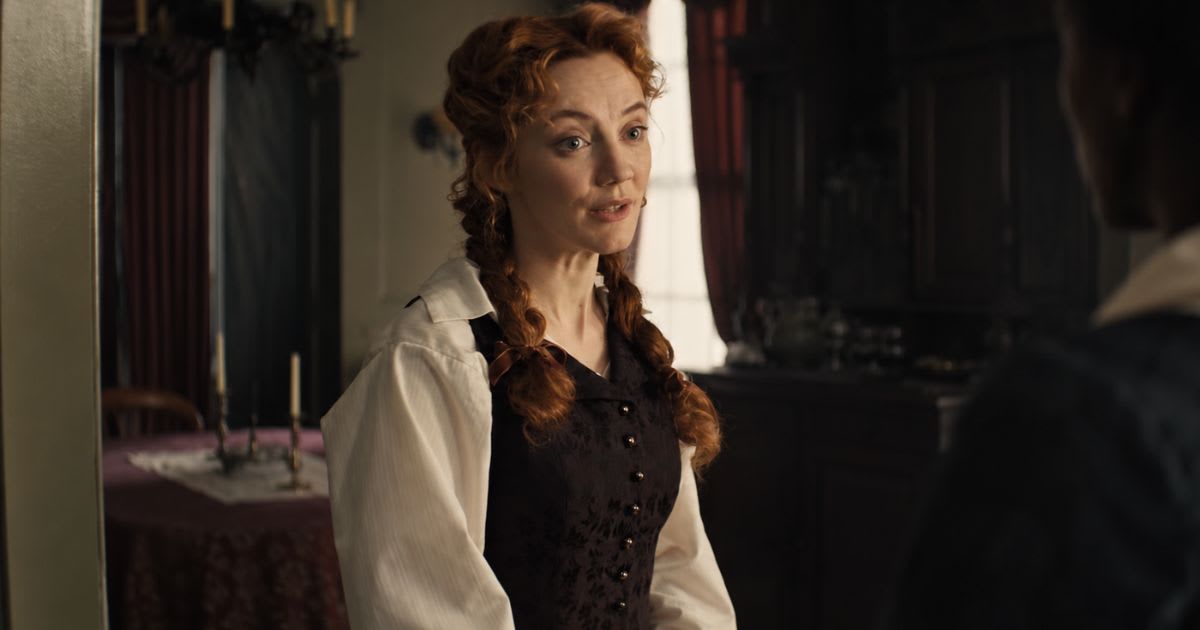
That same night, a wounded stranger shows up at her door. His name is Charles Darnay, and he brings Lucie the surprising news that her father may still be alive. Lucie, who secretly assists the needy as an underground surgeon, saves Darnay’s life by cauterizing his wound. He loses consciousness before he can tell her where her father is, but manages to utter “Recalled to Life” and her father’s name. So, is Lucie’s father really alive? In the first episode, Lucie is not reunited with Dr. Alexandre Manette, but Darnay’s message is real, and the official episode description confirms that Lucie sets off to find her long-lost father. In the morning, Darnay is arrested on suspicion of being a French spy by Jarvis’s widow. This is when Sydney Carton arrives.
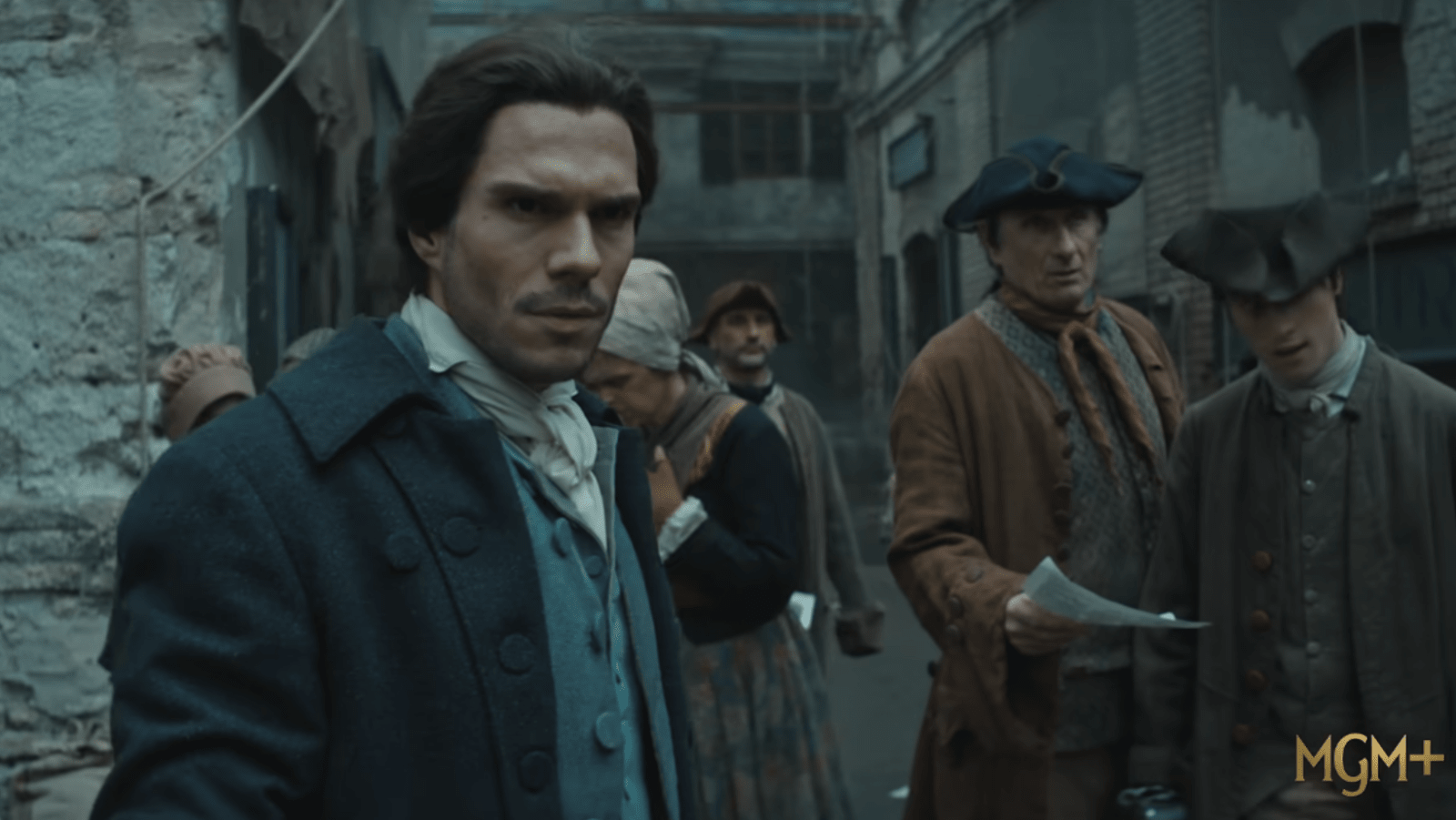
A talented but troubled lawyer, Carton accepts Darnay’s case after Lucie asks him directly. He goes to see Darnay in jail without showing his face, and later uses their uncanny resemblance in court against the prosecution’s witness. Darnay is freed, and Lucie can finally head to Paris to try to find her father. This will set up a love triangle that will drive the rest of ‘A Tale of Two Cities.’
Now, is this different from the book? Significantly, because in this version, Lucie is the one who finds out that her father is still alive. In the book, Darnay is not involved in the matter. He has no idea what happened to Dr. Manette. In fact, Jarvis Lorry, an employee of Tellson’s Bank, informs Lucie that Dr. Manette survived the ordeal in the Bastille. He travels to Paris with her, where they encounter her father, who has been released from prison but is still suffering from the aftereffects of his incarceration.

Darnay and Lucie also meet in different ways. In Dickens’s novel, for instance, Darnay and Lucie meet at the Old Bailey, where Darnay is on trial for treason. Lucie and her father had earlier met Darnay while traveling to France with Lorry. Carton appears at the same trial and uses his likeness to throw suspicion on the prosecution’s witness. Perhaps the most notable departure in this adaptation is Lucie’s characterization. In the book, she is characterized as a loving and nurturing character. However, the series gives her the qualifications of a physician. It is all new. Moreover, the timeline in the adaptation is different. Dickens’s story begins in 1775, whereas the series begins in 1782 in London, which brings the story closer to the French Revolution. Both the book and the series feature Dr. Manette. However, the pathways leading to Lucie’s father’s door are different in the two versions.