Is ‘Digger’ based on a true story? Tom Cruise comedy's ending and twist explained
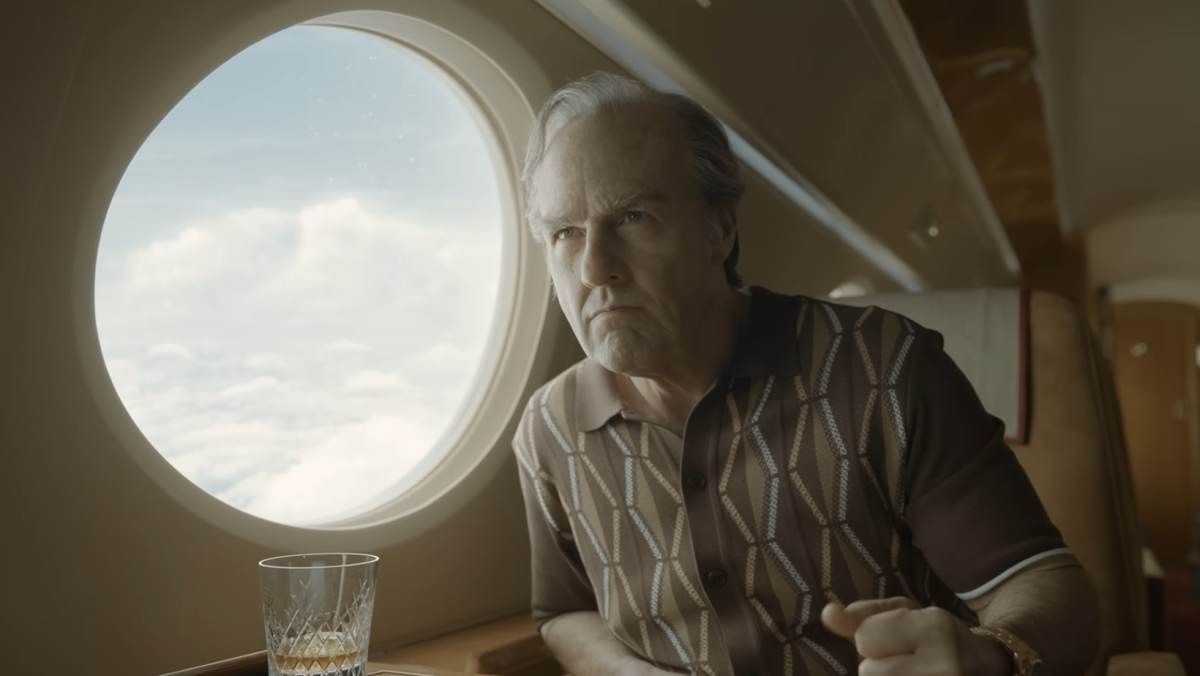
Tom Cruise usually gets the job of saving the world. In ‘Digger,’ he starts with a man whose oil business puts him in danger. Directed by Alejandro G. Iñárritu, the comedy opened in theaters on Friday. Its billionaire protagonist, Digger Rockwell, faces the fallout from a drilling disaster, but the film eventually gives viewers another reason to question exactly whose story they are watching.
‘Digger’ is not based on a true story, and the character of Rockwell is not based on a real person. The film is based on an original screenplay by Iñárritu, Sabina Berman, Alexander Dinelaris Jr., and Nicolás Giacobone. It is not adapted from a book, either, although the distinction between invented characters and historical figures becomes part of the movie itself.
Spoilers for ‘Digger’ follow.
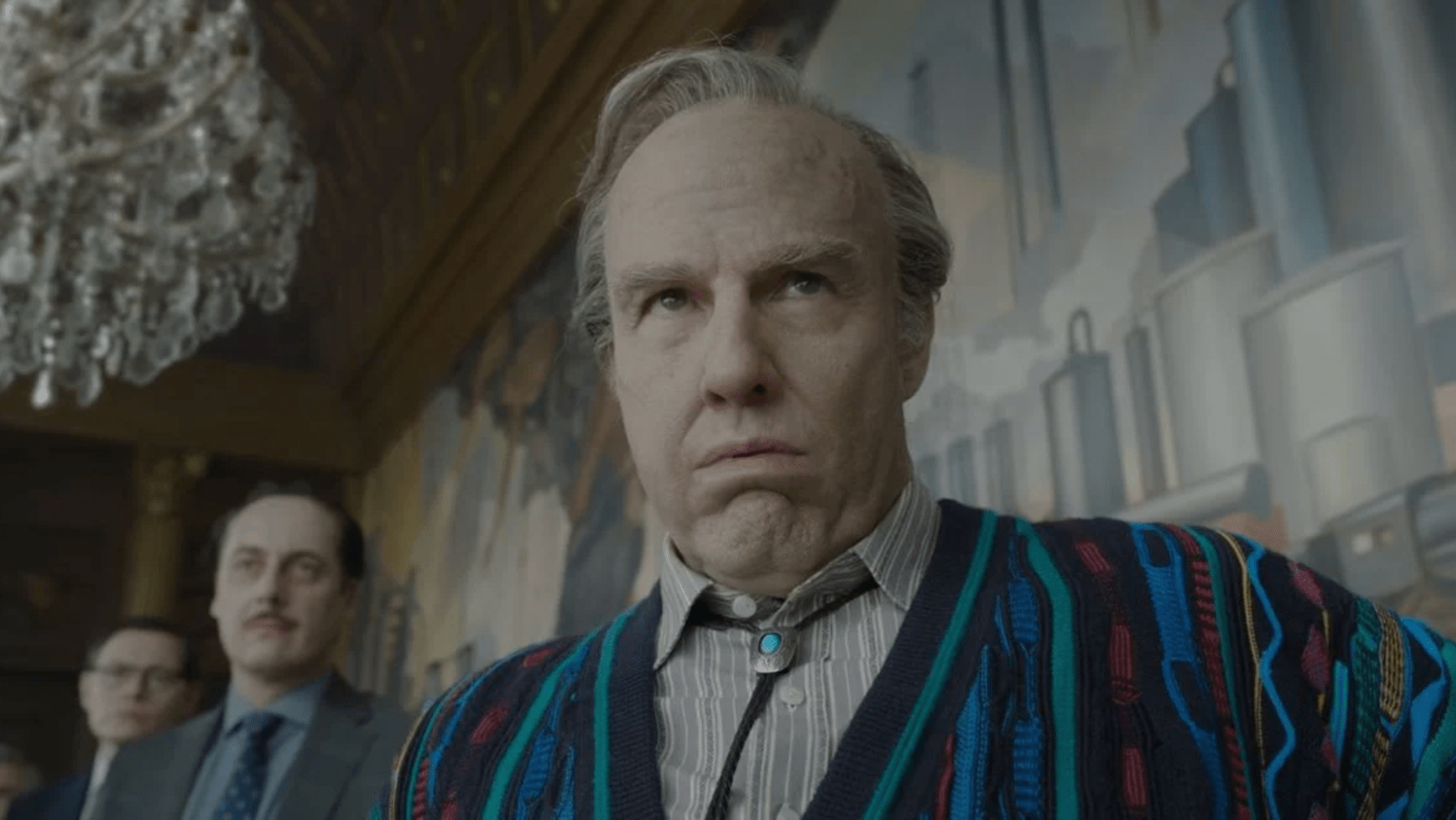
The first shift happens during Rockwell’s meeting with the American president, played by John Goodman. A tree falls, and someone seemingly enormous enters the scene to reposition it. The tree is a theatrical prop, and the disaster narrative has been a rehearsal for a stage production called ‘Fossil Fools.’ Cruise is actually playing Curtis Markson, an actor portraying Rockwell, while the other performers also have identities beyond their roles.
That does not mean the catastrophe was imaginary within the film’s universe. ‘Fossil Fools’ dramatizes events that happened there at least 25 years earlier, including Rockwell’s part in causing the environmental disaster. Rockwell is, therefore, a real historical figure within the film’s world, even though he is a fictional character to the real-world audience watching ‘Digger.’ Between rehearsals, Curtis faces a crisis of his own: his daughter has disappeared after boarding a flight during stormy weather, leaving him and his wife waiting for news.
The production’s financier, Kenny Rockwell, played by Jesse Plemons, connects those two timelines. He reveals that he is the nephew of the real Digger Rockwell, who is portrayed by a child actor in the play. After Curtis clashes with the director, played by Sophie Wilde, Kenny encourages the company to continue. He supports retelling the catastrophe through satire, despite his family’s responsibility for it. His global intelligence firm also becomes involved in the search for Curtis’ daughter.
Opening night brings the story back to Rockwell’s final days. In the play, he and his family have been exiled to an old company oil rig, and a new president has stopped their supplies. Rockwell hallucinates a fully stocked walk-in refrigerator, spends a moment with young Kenny, then sends him away and jumps into the water. Backstage, Curtis emerges from a tank to applause. His wife then tells him their daughter has been located and is expected to land safely within hours.
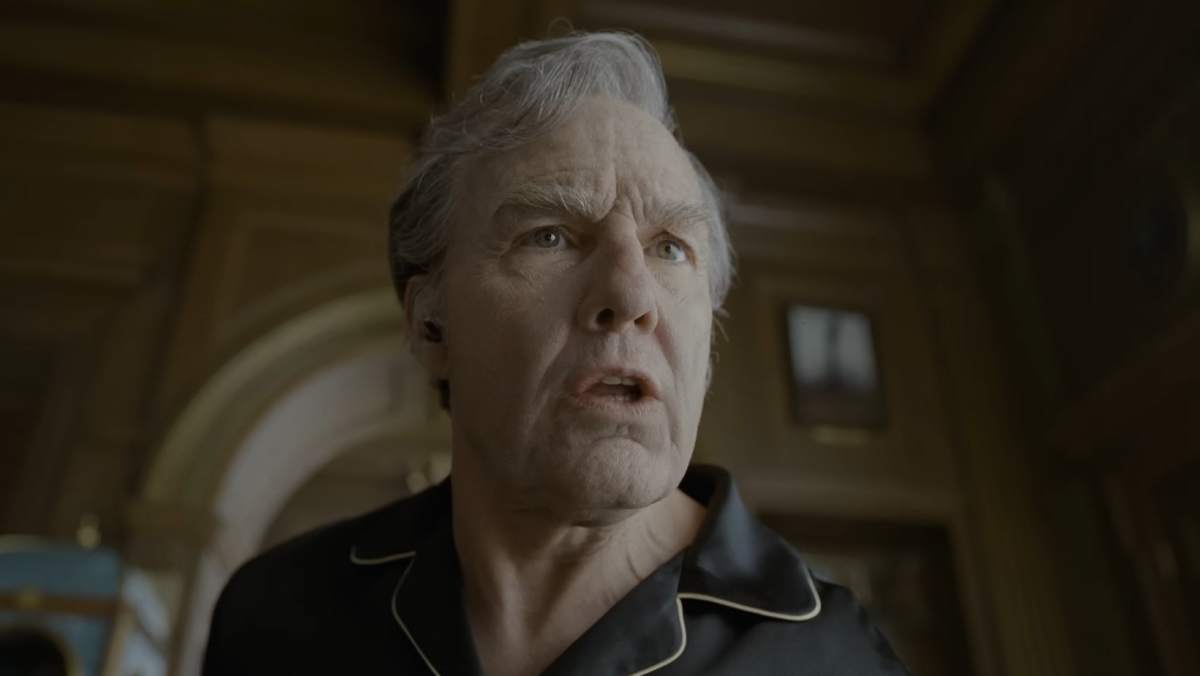
The relief lasts only until an alarm sounds. Everyone puts on gas masks, and the theater doors reveal flooded streets beneath gray skies. Drones, unrest, and graffiti reading “compliance is freedom” extend the picture during the credits. The final reveal establishes that the disaster’s consequences persist beyond the performance. The audience has watched a recreation of its own history, then returned to the world that history produced.
That contrast offers a reading of the ending: Curtis can finish the play and receive good news without the wider crisis being resolved. Kenny’s resources help him, while also showing that the Rockwell family retains influence after the catastrophe. The applause marks the production’s success, rather than humanity’s recovery. When the alarm interrupts the soundtrack again, the film leaves viewers with the danger outside the theater, beyond the story’s apparent closure.