'The Texas Chain Saw Massacre' is set to return with an exciting animated twist
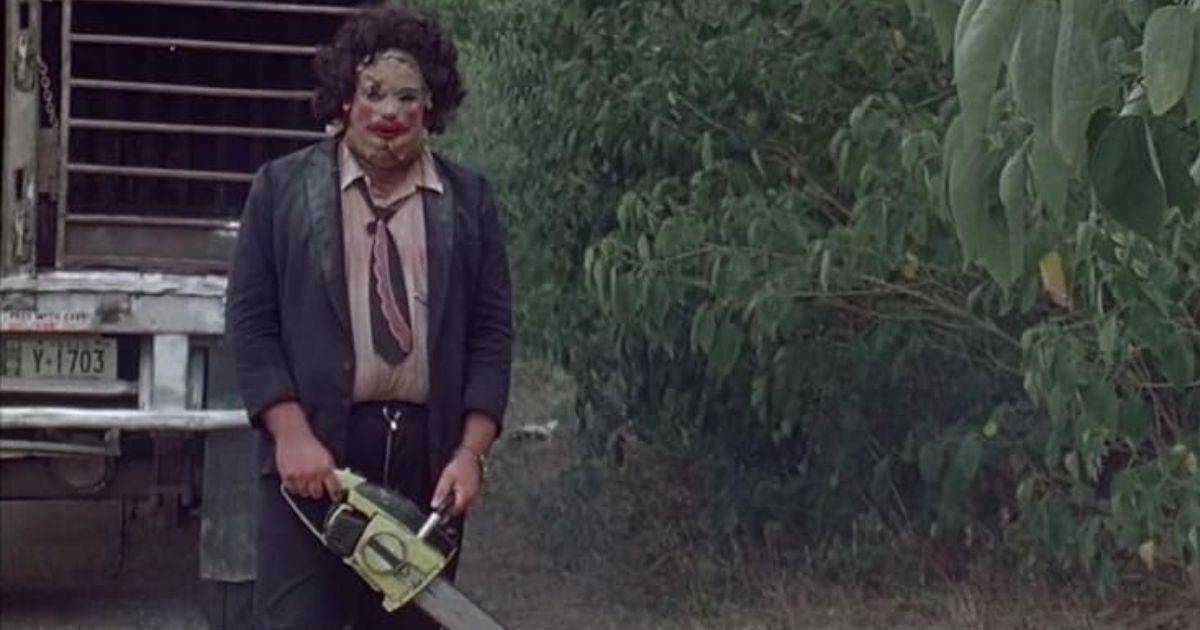
More than five decades after changing the horror genre forever, ‘The Texas Chain Saw Massacre’ is preparing for another bold step. Dark Sky Films and Exurbia Films have officially announced an animated remake of the 1974 classic, giving one of cinema's most terrifying stories a completely new visual style. Instead of modern computer animation, the project will use hand-drawn rotoscoping, a technique that traces live-action footage frame by frame. The film is currently in production and is expected to arrive sometime in 2027.
The announcement caught horror fans by surprise because the franchise has never explored animation before. Even more interesting, the filmmakers have chosen a classic animation method once used in early Disney favorites like ‘Snow White and Cinderella’. The same technique also appeared in films such as ‘The Lord of the Rings’, ‘Heavy Metal’, and ‘Fire and Ice’. That creative decision could give the familiar title an entirely fresh look without changing its unsettling spirit.
As per ComicBook, Animation Director and Art Director Paul Beck said the original film remains a masterpiece that changed cinema forever. He explained, "Our goal is to honor its legacy by reimagining it through the timeless art of hand-drawn rotoscoping, giving audiences a completely new way to experience a film they thought they already knew." This suggests the remake will celebrate the original instead of simply replacing it.

Fans will also not have to wait until 2027 to get their first glimpse of the ambitious project. Dark Sky Films and Fathom Entertainment plan to reveal an early preview during the annual Texas Chain Saw Day event on August 18. The one-day celebration will include a behind-the-scenes featurette showcasing footage from the hand-animated production. That preview will offer the clearest look yet at how the classic horror story takes on a new style.
Rotoscoping has existed for more than a century after animator Max Fleischer introduced the technique in 1915. Artists create the effect by tracing over filmed performances frame by frame, producing movement that feels remarkably lifelike. That balance between realism and illustration could add another layer of tension to Leatherface's terrifying world.