Is Amanda Seyfried in ‘You Can See Everything’? The documentary’s meta twist explained

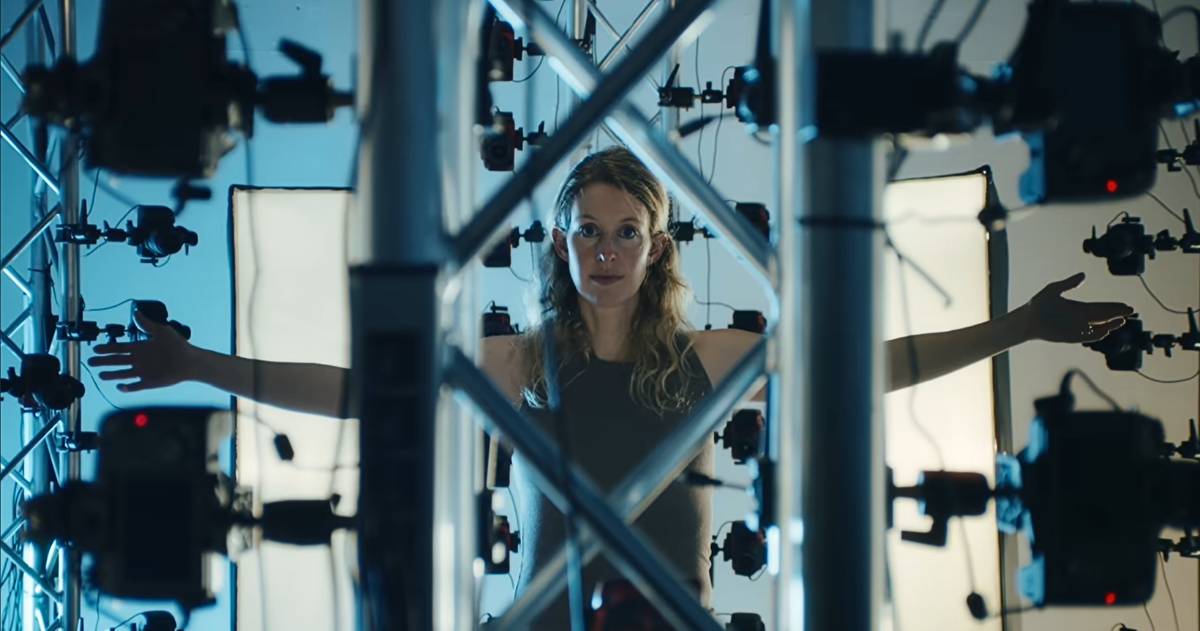
‘You Can See Everything’ has breakfast disputes, a shower scene and Elizabeth Holmes insisting she has never lied. And that is before the documentary changes direction halfway through. Nathan Fielder and Lance Oppenheim’s three-hour film opened in theaters on October 16, following the Theranos founder during the 34 days before her 11-year prison sentence begins. Once Holmes goes to prison, the filmmakers find another way to keep examining her story.
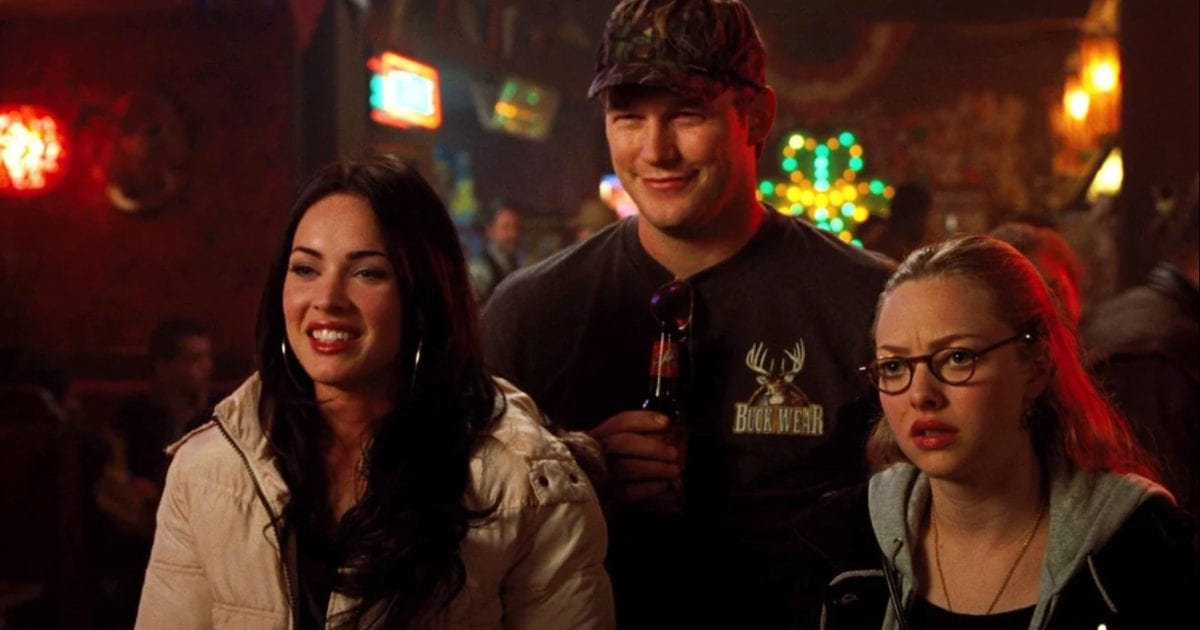
Yes, Amanda Seyfried appears as both herself and Holmes, whom she played in Hulu’s 2022 series ‘The Dropout’. Fielder recruits the Emmy winner to help interpret his encounters with Holmes after her incarceration. Her introduction includes watching footage of Holmes watching her performance in ‘The Dropout’. What starts as a conversation about the woman she portrayed becomes a return to the role, with Seyfried recreating exchanges the documentary crew could not record.
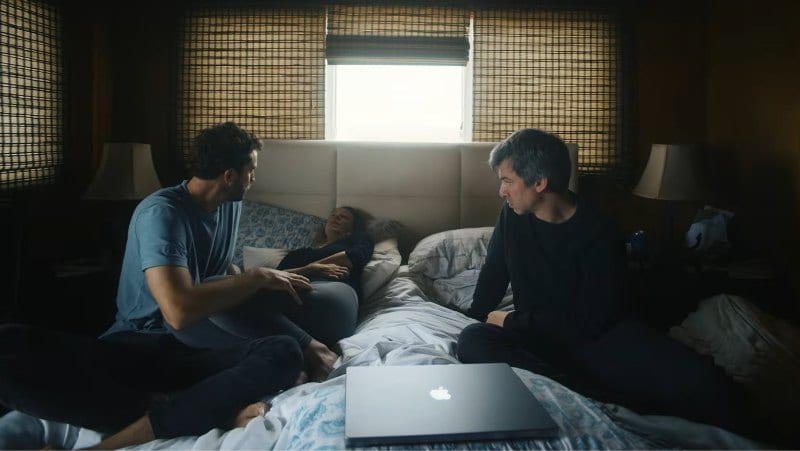
Christopher Abbott joins her as Holmes’ partner, Billy Evans, for a reconstruction of an early meeting with the filmmakers and A24. Holmes steps away to attend to her child, and Evans asks to be paid for participating. Fielder and Oppenheim object over the documentary’s credibility, but A24 agrees. That leaves a question running through the film: Did Holmes know what Evans was arranging, or did he act independently? The documentary later reveals that Evans withdrew his payment request, without explaining why.
Seyfried also participates in the investigation as herself. She accompanies Fielder to Evans’ Texas home, questioning him about his income, power of attorney over Holmes and use of her social media accounts. During the visit, Holmes calls from prison and briefly speaks with Seyfried. The actress is now interacting with the people whose lives she has helped turn into a screen narrative.
That tension comes into focus when Seyfried recreates Fielder’s unrecorded prison visit. Fielder writes down the conversation afterward, making his memory part of the reconstruction. Holmes criticizes ‘The Dropout’ and says fellow prisoners believe its events happened exactly as depicted. The film cuts between Seyfried playing Holmes and responding to those complaints as herself. Defending the distinction between dramatization and documentation, she says, “it’s not lies. It’s f**king TV.” Yet Seyfried also questions whether Fielder’s growing sympathy has shaped his reconstruction.
The meta twist therefore reaches beyond an actress playing the same person twice. Seyfried helps reconstruct missing moments while questioning the account those scenes present. The film also returns to Holmes’ disputed New York Times quote: “They’re not playing me. They’re playing a character I created.” Holmes insists she said “they” rather than “I,” while the reporter maintains the quotation is accurate. That single word leaves the documentary’s central question unresolved: how much of the Holmes everyone sees is a performance?