‘The Boys’ nearly had a very different ending based on comics — until Eric Kripke changed it
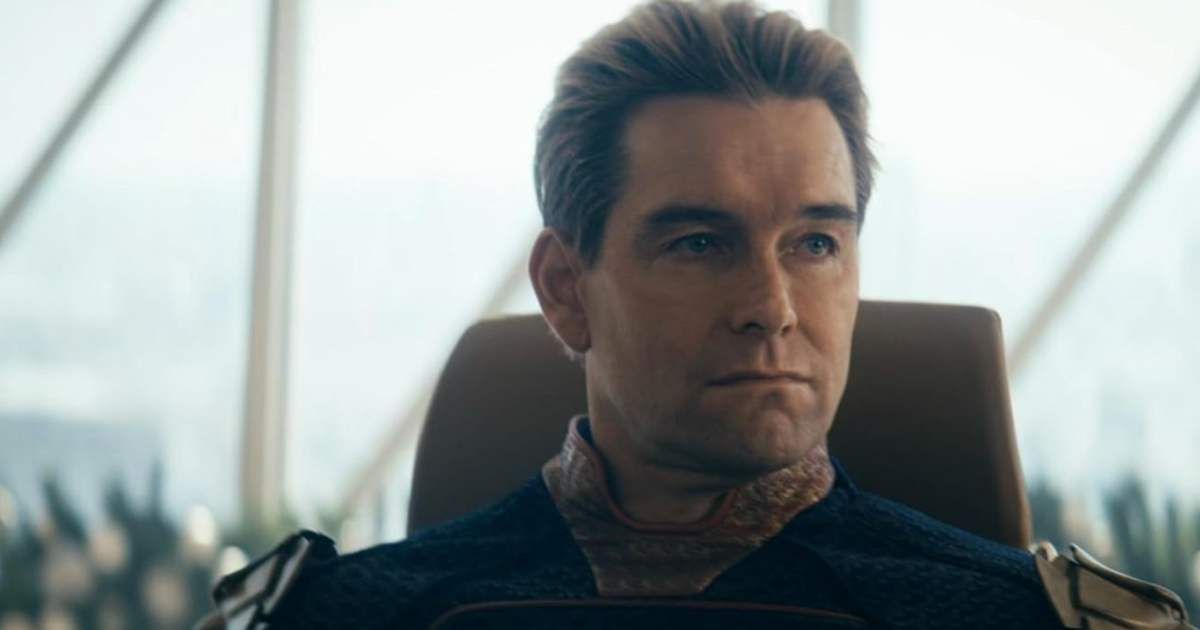
40 total episodes of 'The Boys' and the hit Prime Video show, safe to say, has stuck the landing. The most defining scene in 'The Boys' Season 5 finale is Homelander (Antony Starr) begging on his knees after losing his powers. In the end, he meets the same grim fate, even though countless lives were lost through the seasons. His death scene will be remembered for two reasons: (i) the unforgiving rage Homelander saw in Billy Butcher's (Karl Urban) eyes and (ii) the powerlessness he felt for the first time. That we went down without a fight shows how he was dependent on his powers, which made him the self-proclaimed "God" he was. While the ending was well-received by fans and critics alike, the comic book ending continues to be a talking point.
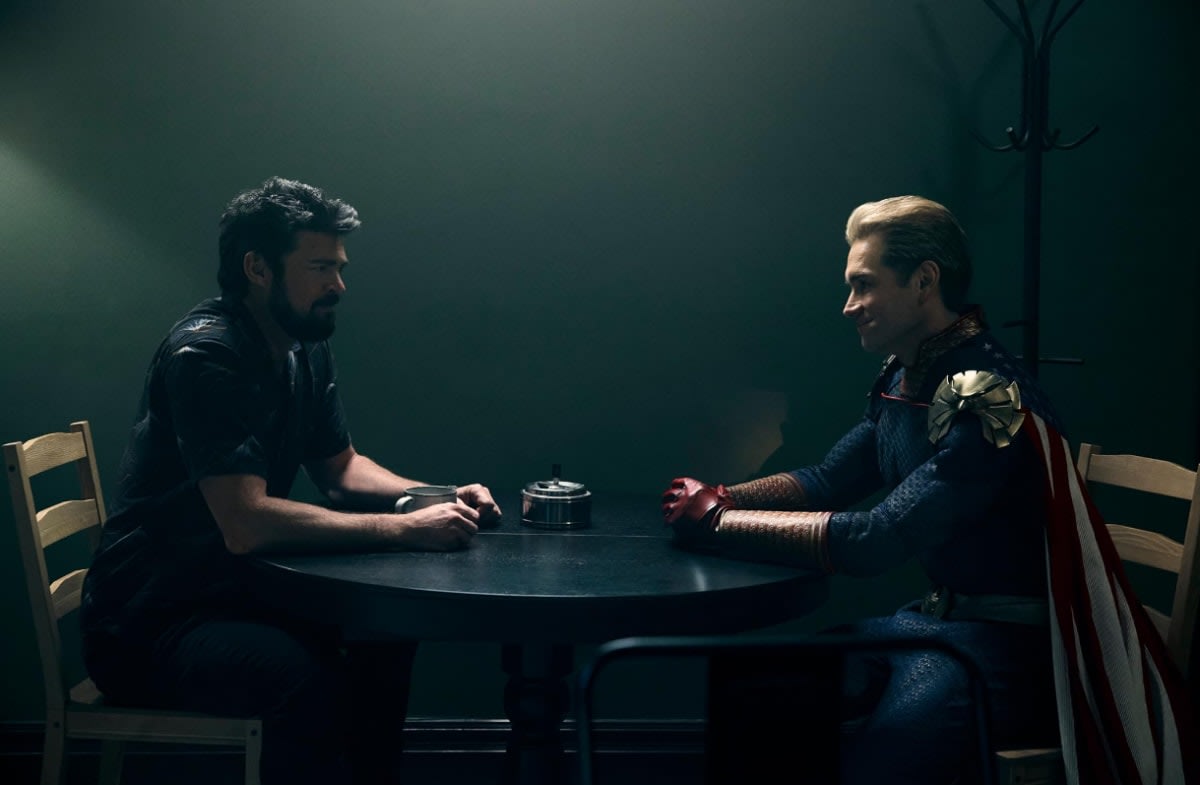
In an interview, showrunner Eric Kripke addresses the ending and how it had to be different from the comic. "The Butcher-Hughie ending we wanted to do from the very beginning," Kripke told Collider. "That has probably been the single longest-running thread from the pilot on, that Butcher was drafting Hughie to be his conscience, his little brother, to pull him back when he goes too far, and then he serves that purpose. That's really from the comic, that relationship is from the comic, and that ending I just always loved, because it was just intimate and emotional between those two characters, and I really wanted to capture a version of that." He further added that the comic ending was about Black Noir being the villain, and Homelander was never the main antagonist.
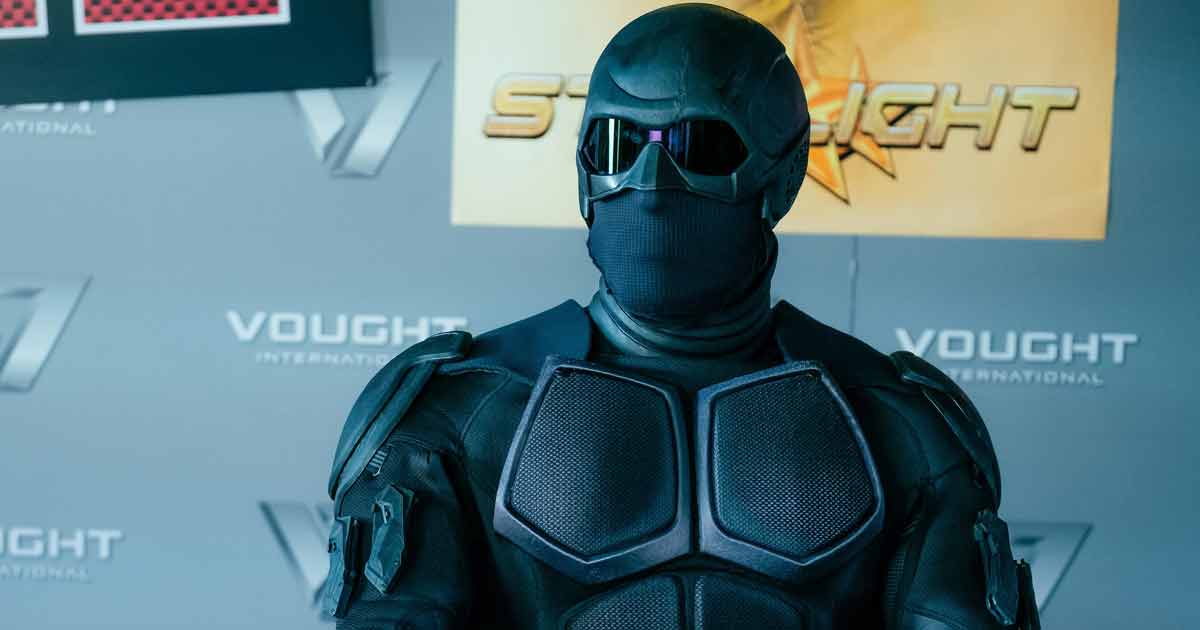
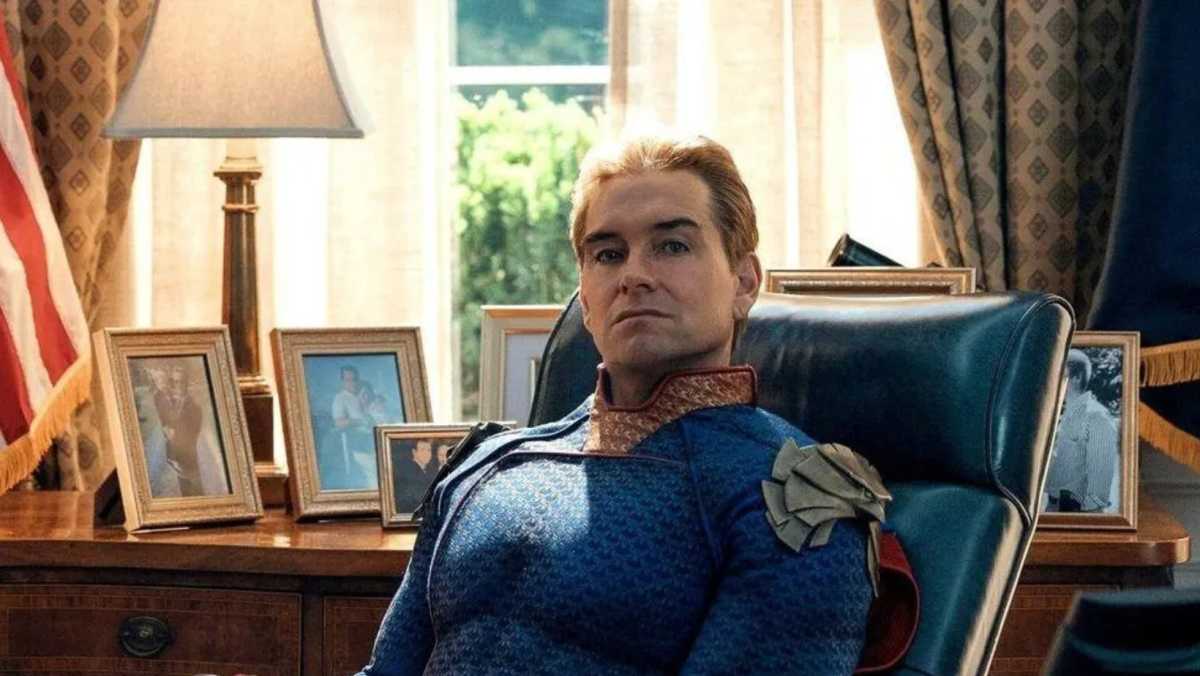
"There are some similarities in the Homelander-Butcher of it all, at least in terms of, we're trying to nod to it, of the setting in the Oval Office, or using the crowbar as the final kill," Kriple said. "But, and I've said this in interviews before, the comic ends with it turns out that Homelander isn't the villain at all. He was tricked into being the villain. The real villain was Black Noir all along. People love it, and mileage varies, but that just was never satisfying to me to have followed Antony Starr for all these seasons, and then at the very end to find out that he actually didn't do any of the things that he thought he did; it was actually Noir, who was his clone. So, I was never gonna do that version."
Kripke's take makes complete sense. After establishing both Homelander and the Black Noir as vital cogs of the Seven. It would make sense that Starr's character would ultimately have his downfall after all the chaos and monstrosity he was part of throughout the series. Black Noir was always meant to be a member of the Seven, but not a force superior to Homelander. The mayhem the latter caused only made it fitting that he would meet a gruesome end. To add, the streamer took creative liberties with the storyline and after Noir was a victim of The Deep's (Chace Crawford) betrayal, it made no sense to have a third Black Noir (and a clone of Homelander). The ending would have been convoluted, and more importantly, it would have been a squib with the fans.