Who is Patrycja Sobanska? ‘Grey’s Anatomy’ fan credits show for helping her understand her own diagnosis
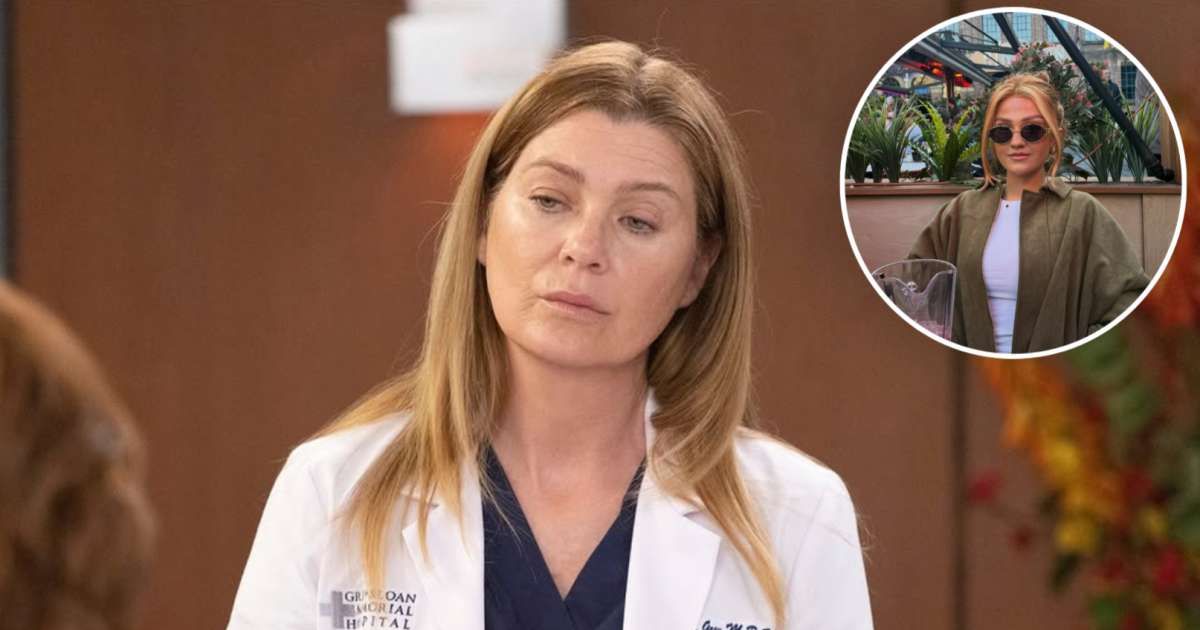
Television shows often act as emotional saviors for their longtime fans, and 'Grey's Anatomy' did the same for Patrycja Sobanska, but in a slightly different way. As per the Mirror, she was able to comprehend her doctors' complicated medical jargon, all thanks to the show. Sobanska, 19 at the time, sought medical help when she noticed a pea-sized lump on her neck. The teenager eventually developed jaundice, which made her seek a referral to a hospital. In October 2024, doctors diagnosed her with an aggressive form of Non-Hodgkin lymphoma through a CT scan. Though the news that she had cancer hit her hard, she was in a much better place after she learned more about the condition.
Sobanska was already nervous after being in the hospital overnight for the first time in her life, and the medical jargon made her even more anxious. Her father soon arrived and was informed that she had been diagnosed with either lymphoma or sarcoma. She connected the dots, saying, "I didn't know what sarcoma was. I knew what lymphoma was, purely because I've watched Grey's Anatomy," She added, "So, it kind of clicked in my head, I was like, that's cancer, isn’t it? My dad and I just kind of paused and were like: ‘What, that's not possible’. "And then I just started bawling my eyes out. I think that was just the normal reaction. I just didn't know what to do." The long-running medical show is currently airing Season 22 and focuses on Dr. Meredith and her colleagues as they navigate through some of the most complex cases.
Ultimately, the duo picked each other up and made plans for further treatment. They decided to shift from Peterborough City Hospital to the C9 Teenage Cancer Trust unit at Addenbrooke’s Hospital in Cambridge. Sobanska found both the care and communication here to be superior. “The doctor who came in the first day I was there explained everything to me – he was absolutely brilliant," she shared. She mentioned that a junior nurse in the facility also helped her understand each treatment she was undergoing for her condition. "It didn’t matter if it was my first time having chemo or my last, she remembered to take me through every step every time to ensure I was comfortable,” Sobanska added. After undergoing treatment, Sobanska has now been in remission for a year. She now campaigns for better communication while diagnosing youngsters. "However, one conversation can change everything for a young person. The right words at the right time can make all the difference - and we must all do our best to get it right," she said.