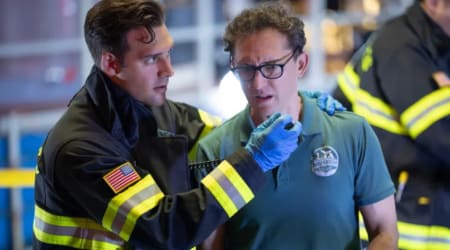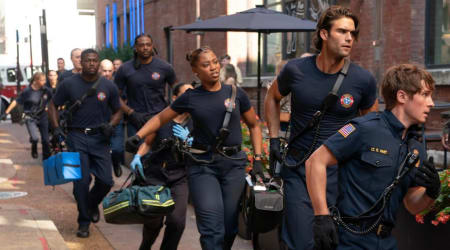
Is the ‘wild pregnancy’ in ‘Pitt’ Season 2 finale medically accurate? Dr Robby races to save two lives
Warning: This article contains pictures of blood and graphic medical procedures related to pregnancy that some readers may find unsettling.
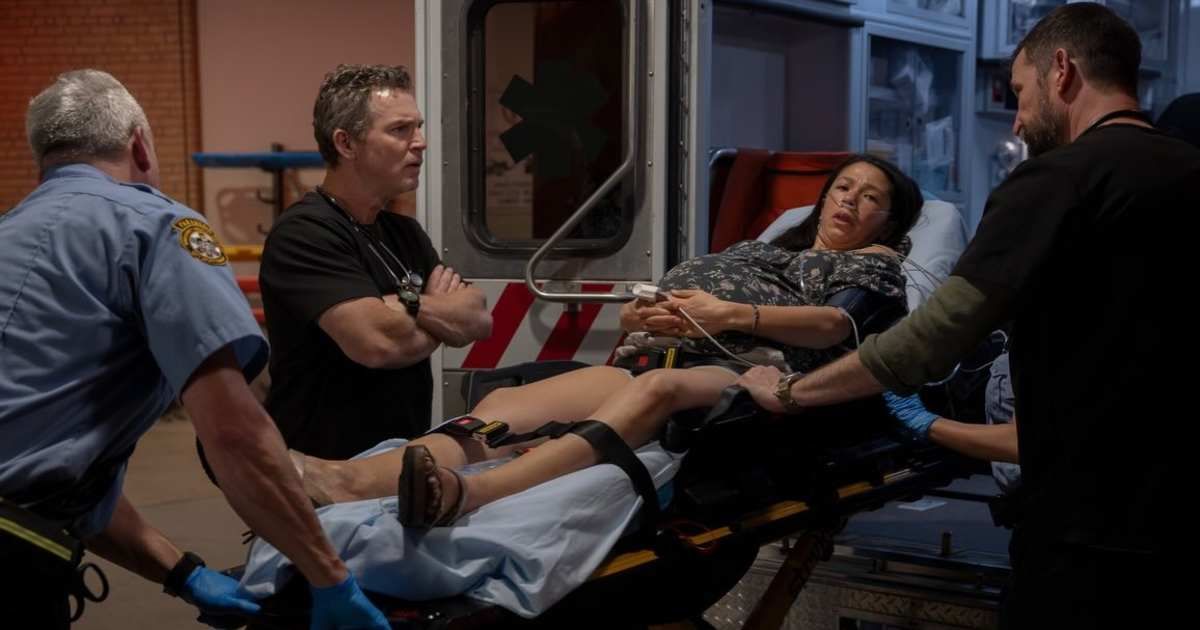
HBO’s ‘The Pitt’ didn’t just wrap up its second season; it went all in with a finale that left viewers both stunned and slightly uneasy. The April 16 finale dropped one of the most intense medical scenarios the show has attempted so far: an emergency C-section carried out in the ER, without the comfort of a proper operating room. In the final episode, Dr. Michael “Robby” Robinavitch (Noah Wyle) is nearing the end of what’s supposed to be his last shift before taking a sabbatical. But things don’t go as planned. Just when it looks like he might finally catch a breather, a pregnant woman (Nicole Wolf) is rushed in under alarming conditions. She’s in visible distress from the moment she arrives. A pounding headache, severe swelling, and clear signs that something has gone off track.
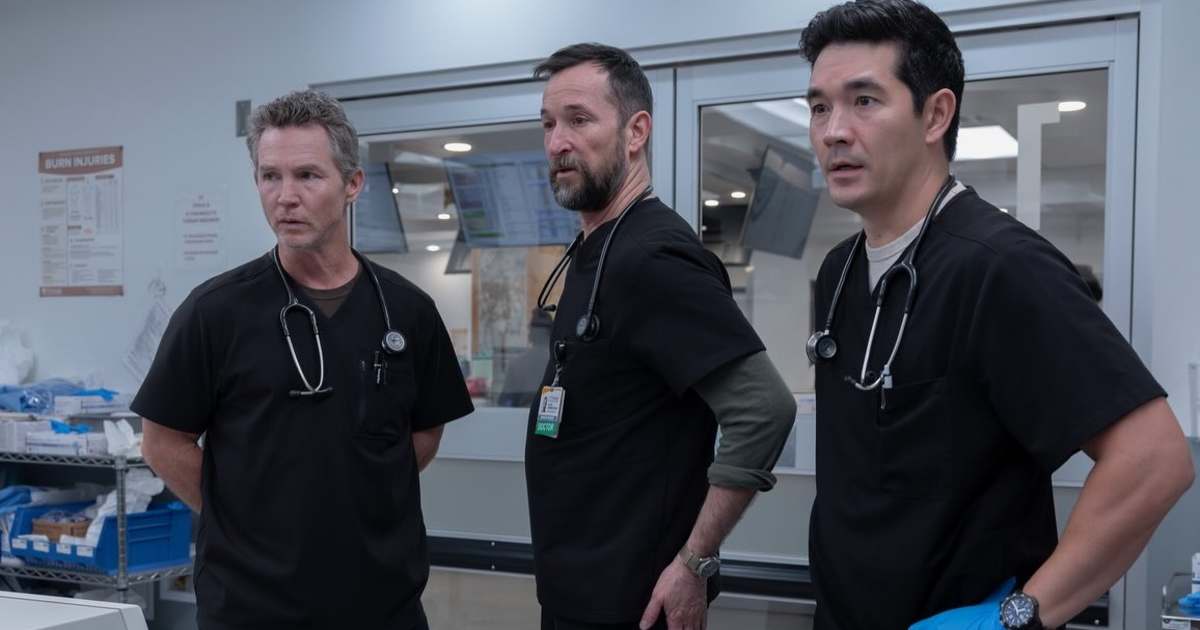
As doctors begin assessing her, a troubling detail comes to light: she has avoided prenatal care entirely. She chooses to go with “wild pregnancy,” a choice that leaves the medical team working almost blind. It doesn’t take long for things to spiral. The team identifies two dangerous complications: HELLP syndrome and preeclampsia. Within minutes, the situation changes from urgent to critical. At that point, Robby and Dr. Abbott (Shawn Hatosy) are forced to make a call no one wants to make unless absolutely necessary. They decide to deliver the baby immediately, right there in the emergency room. The procedure isn’t toned down for comfort. The camera stays close as the doctors make a vertical incision and work quickly to reach the baby. In the end, Robby and Abbott managed to pull it off, bringing both the mother and her baby through the crisis safely.
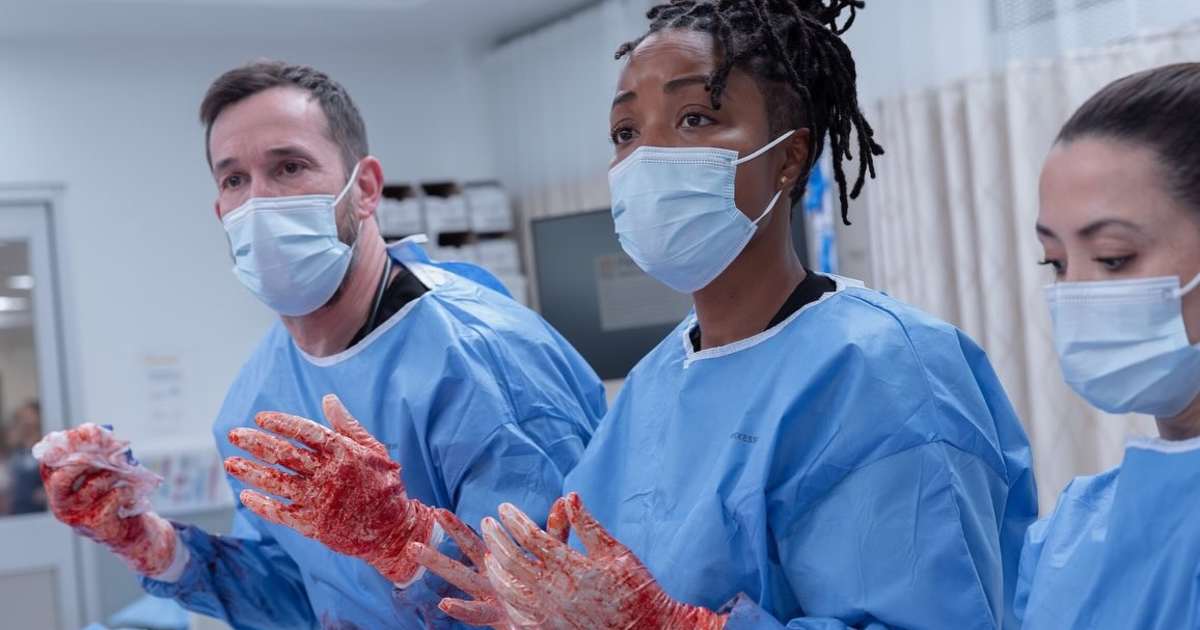
According to comments shared with USA Today, medical advisor and producer Dr. Joe Sachs said, “We needed to come up with something for the season finale that was rather dramatic.” The production spent two months building the sequence, using detailed body replicas and practical effects to make the surgery look as real as possible. Instead of relying heavily on computer graphics, the team used physical models for most of the procedure. A small amount of digital work was added later, but only where absolutely needed. Now here’s the part that might surprise people. As dramatic as it looks, the scenario isn’t made up for television.
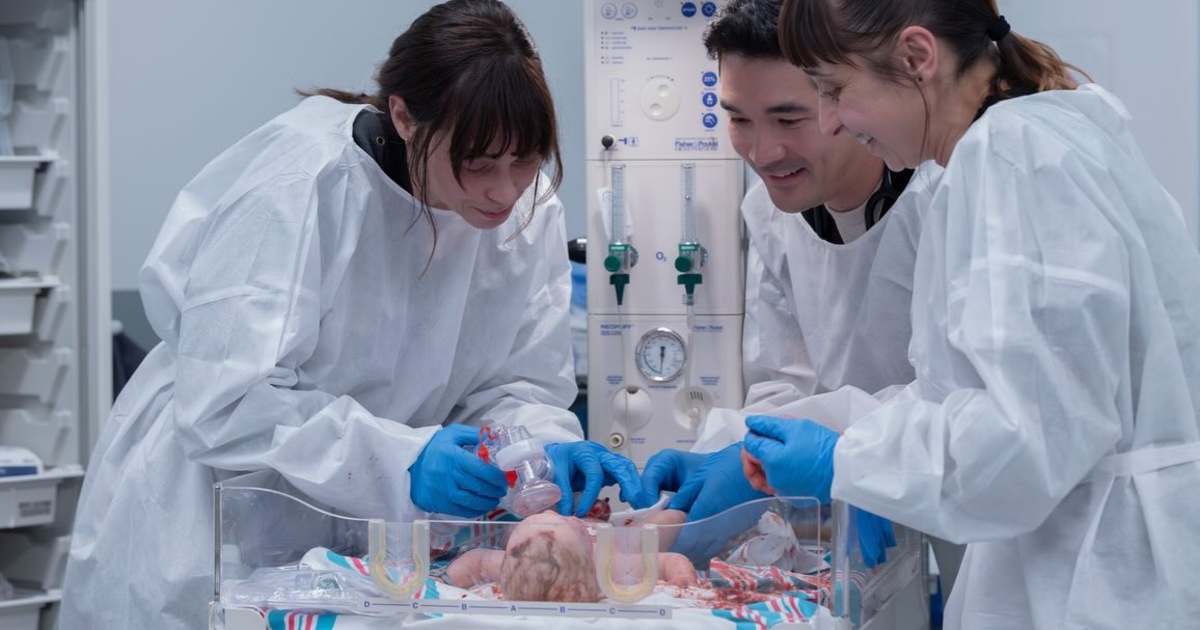
Dr. Dillon Knight, a respected OB/GYN, says this kind of emergency response can actually happen. In extreme cases where the mother’s life is at immediate risk, doctors don’t wait to move the patient to surgery. In her words, “In a true emergency, the cesarean is performed at the bedside wherever the patient is arrested, not in an operating room. The goal is for the fetus to be delivered as quickly as possible and in most cases the time from skin incision to delivery is less than 60 seconds.” She also pointed out that the type of incision shown, a vertical cut, is exactly what would be used in such high-pressure situations. That’s “because it’s fastest and provides options for further exploratory surgery if needed.”