'The Big Bang Theory': From Mayim Bialik's op-ed to sexism, 6 controversies that cost the show hefty

LOS ANGELES, CALIFORNIA: 'The Big Bang Theory' rose to prominence as one of the most celebrated sitcoms in television history, captivating audiences with its endearing characters and clever narratives throughout an impressive 12 seasons.
With each passing episode, the show garnered an ever-expanding cult following, propelling its main cast into the stratosphere of stardom and financial prosperity.
However, like any phenomenon of its magnitude, 'The Big Bang Theory' was not without its share of controversies and criticisms. Central to the show's appeal was its exploration of 'geek' culture, a realm rich with intricacies and nuances.
Yet, in its portrayal, some viewers found themselves disenchanted by what they perceived as the perpetuation of stereotypes.
As the series progressed and its popularity soared, so too did the scrutiny surrounding its depiction of this subculture.
Moreover, as the stars of 'The Big Bang Theory' ascended to new heights of fame and recognition, they inevitably found themselves under the relentless gaze of the public eye.
Every move, every statement, and every action became subject to intense scrutiny and interpretation. With fame came a heightened sensitivity to any misstep or misinterpretation, amplifying the potential for controversy.
On that note, here are 6 controversies that cost the show hefty and worse, almost ended it too.
Kaley Cuoco and Johnny Galecki dated off-camera
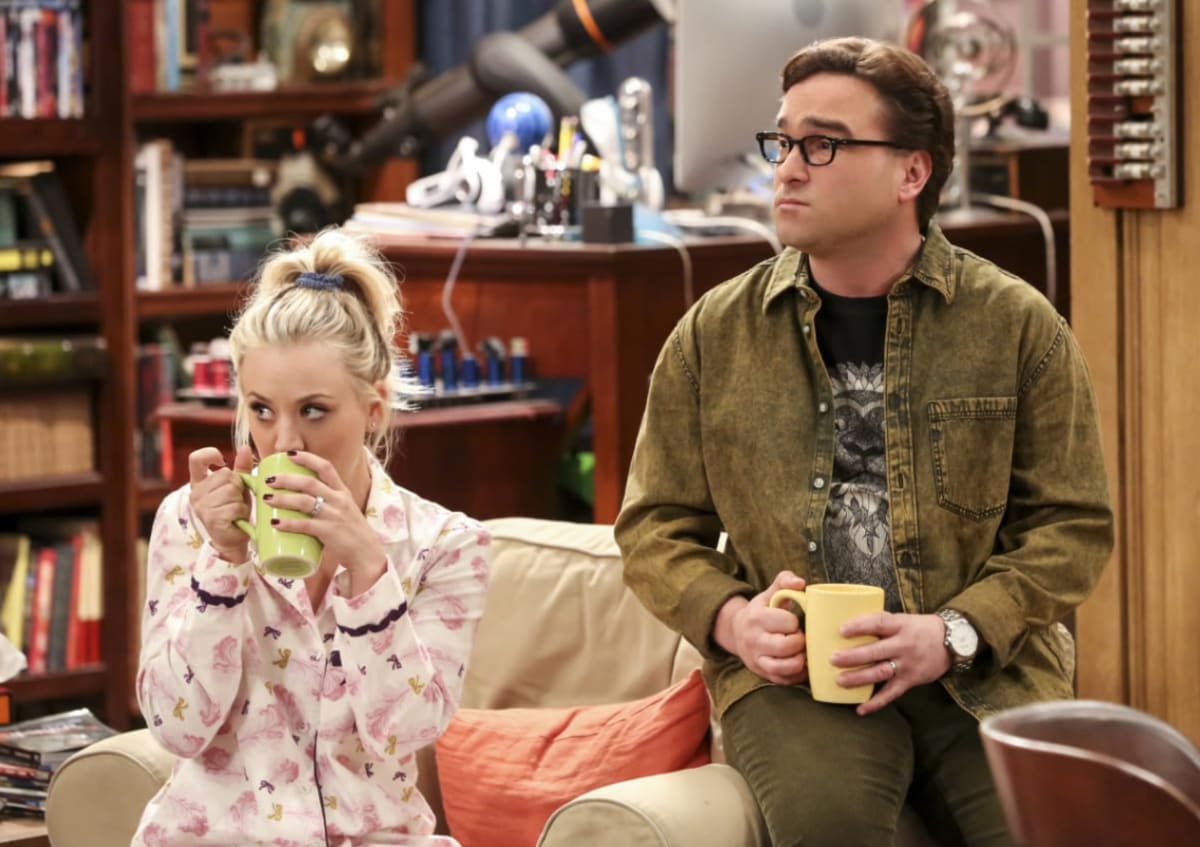
Actors Kaley Cuoco and Johnny Galecki portrayed one of TV's beloved couples, Penny and Leonard.
These two characters, despite their obvious differences, were best friends destined to be together. Their on-screen chemistry was palpable, which effectively sold the storylines and contributed to the show's success.
Kaley and Johnny dated for two years while filming the show, but kept their relationship under wraps in fear of ruining it for anyone.
Rumors could have jeopardized both their relationship and the show if media outlets discovered they were dating in real life. The pair chose to keep their relationship under wraps to preserve the magic between Penny and Leonard on screen.
The stereotype behind the portrayal of nerds sparked a lot of controversy
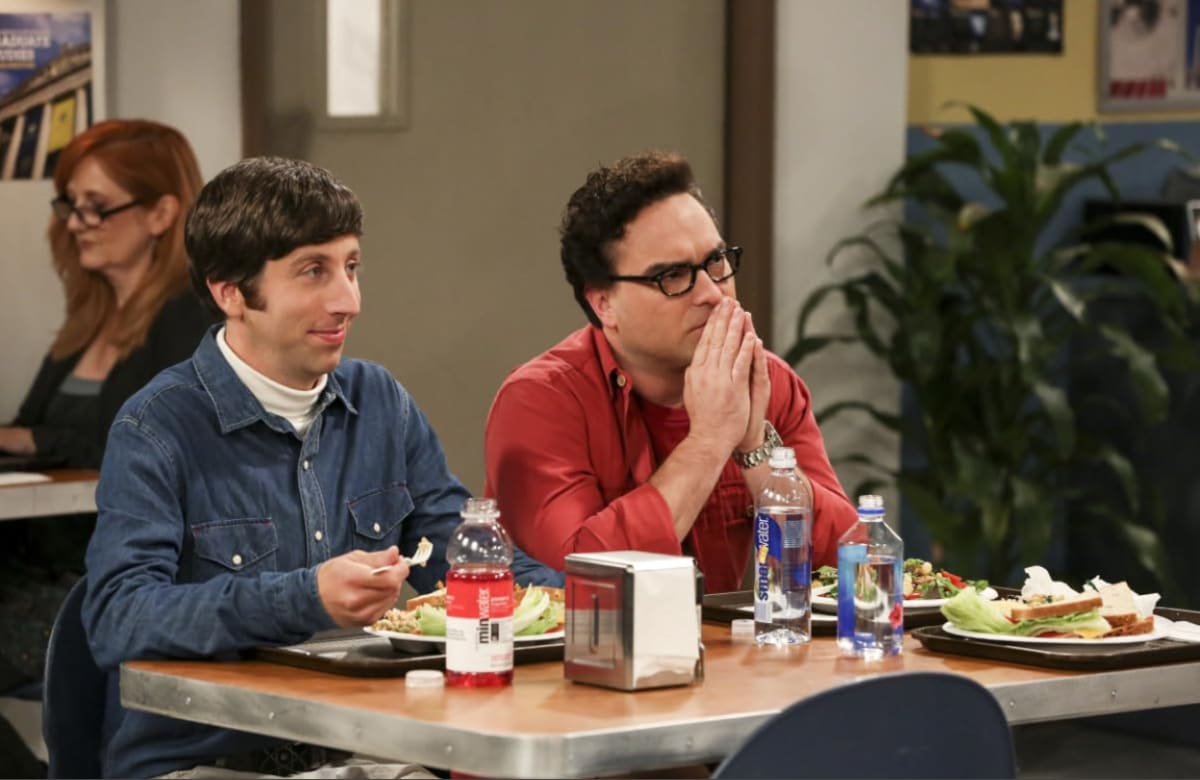
Some of the strongest criticism aimed at 'The Big Bang Theory' revolves around its reinforcement of stereotypes.
The show centered on characters often labeled as 'nerds,' who, despite their intelligence and successful careers, were depicted as socially awkward and physically unattractive. Their struggles in romantic relationships were a recurring theme throughout the series.
The portrayal also implied that those keen on comic books, 'Star Wars,' and 'Star Trek' could not attract partners, depicting them as lonely and pitiful individuals.
Additionally, the show often depicted these characters as suffering from various health issues, such as asthma and lactose intolerance, further perpetuating the stereotype of 'nerds' as physically weak or inferior.
While 'The Big Bang Theory' enjoyed global success, it faced significant backlash from critics who found its portrayal of nerd culture off-putting.
Despite its popularity, the show's reliance on these stereotypes left many viewers feeling alienated and discontented.
Sexism was at the subtle forefront throughout the show
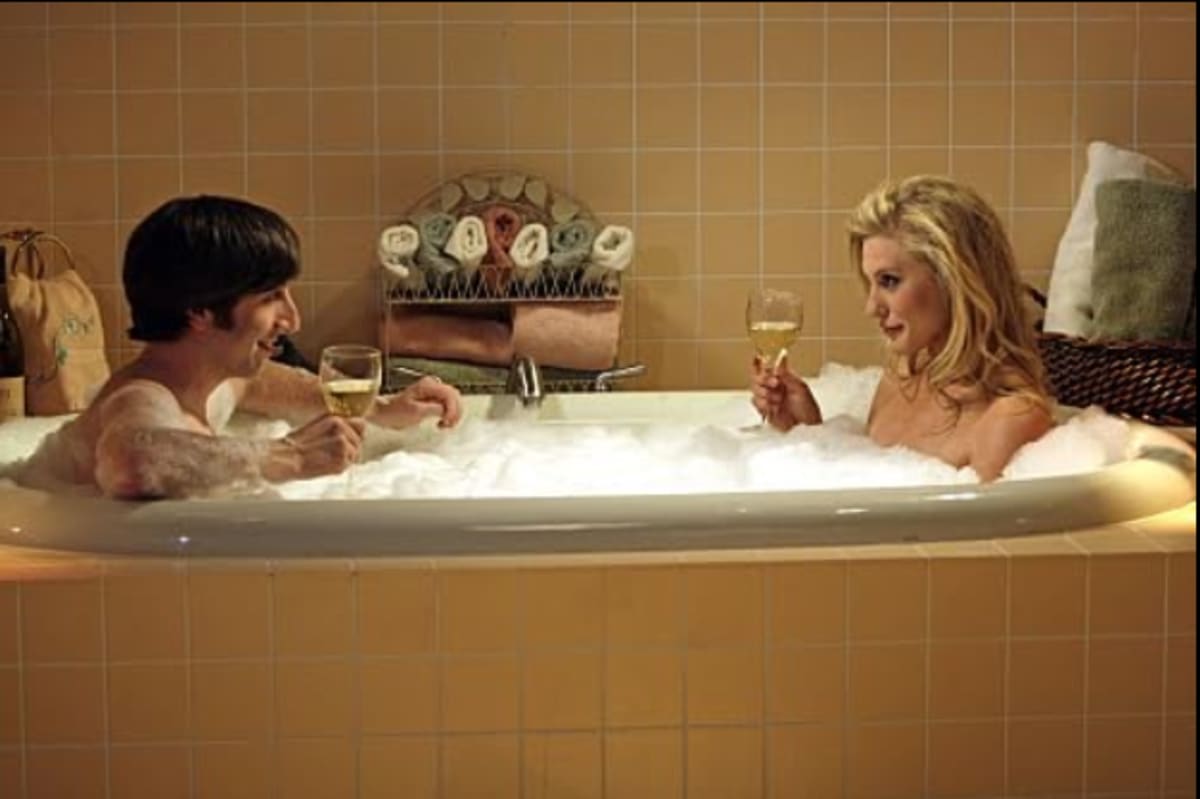
It's hard even for the biggest fans to overlook the fact that Sheldon and Howard sometimes showed sexist attitudes.
Sheldon often claimed ignorance, yet he regularly criticized Penny's choices and behaviors, even after she married Leonard.
He'd make remarks about women's interests, reducing them to salads and gossip, and Howard's behavior wasn't much better in this regard.
Howard's behavior toward women was often invasive and pushy, disregarding their boundaries. While he did improve after marrying Bernadette, his past actions still cast a shadow over his character.
Despite the comedic nature of the show, these instances of sexism cannot be ignored and have drawn criticism from viewers and critics alike.
The portrayal of such behaviors, even in a fictional context, contributes to the normalization of sexism and perpetuates harmful stereotypes.
Inequal salaries for actresses raised a lot of questions
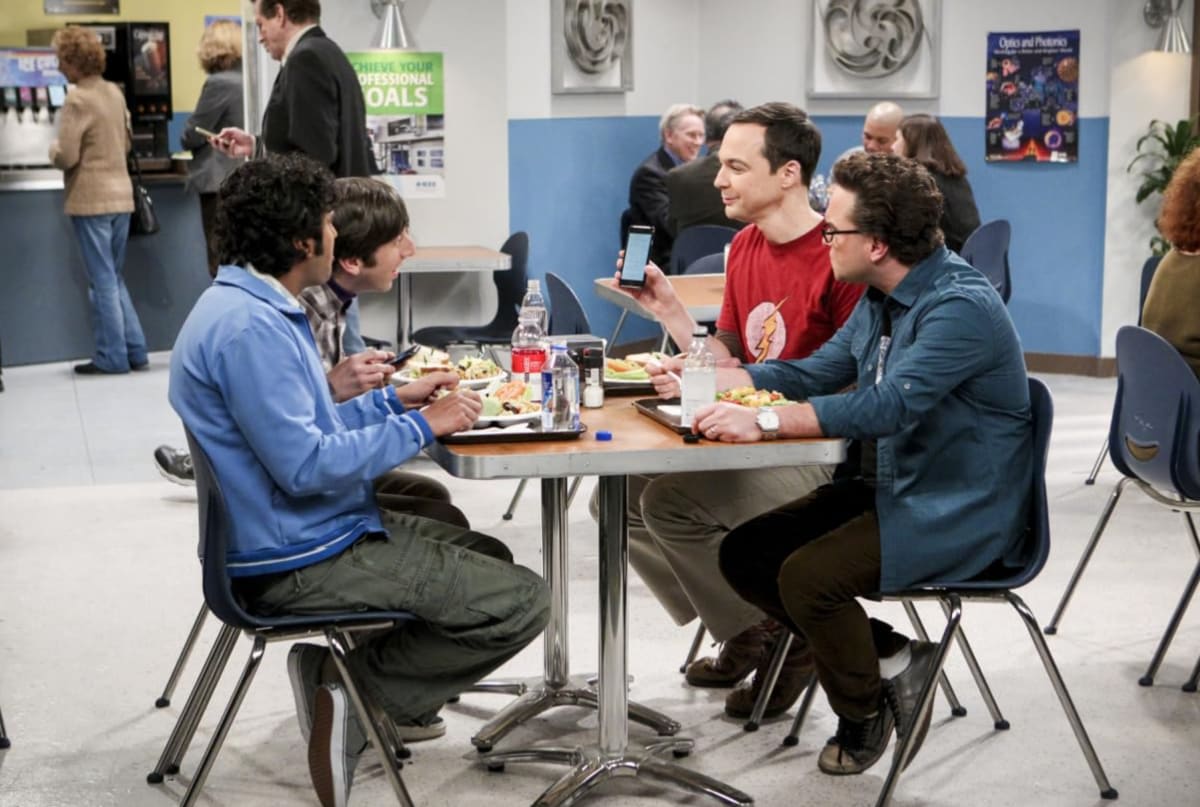
As 'The Big Bang Theory' soared to massive success, the main cast, including Kaley Cuoco, Johnny Galecki, Jim Parsons, Kunal Nayyar, and Simon Helberg, saw their earnings skyrocket with each passing season.
Eventually, they were each earning an astonishing $1 million per episode. Despite being integral to the show as main characters, Melissa Rauch (Bernadette) and Mayim Bialik (Amy) were earning significantly less, around $200,000 per episode.
When news of this pay gap surfaced, the main cast took a commendable step to rectify the situation. They voluntarily agreed to take a pay cut so that Rauch and Bialik could receive a well-deserved raise.
This act of solidarity highlighted the importance of equity and fairness in the workplace, even in the high-stakes world of television.
It underscored the cast's commitment to supporting one another and ensuring that all members of the team were fairly compensated for their contributions to the show's success.
Other countries tried to replicate 'The Big Bang Theory'
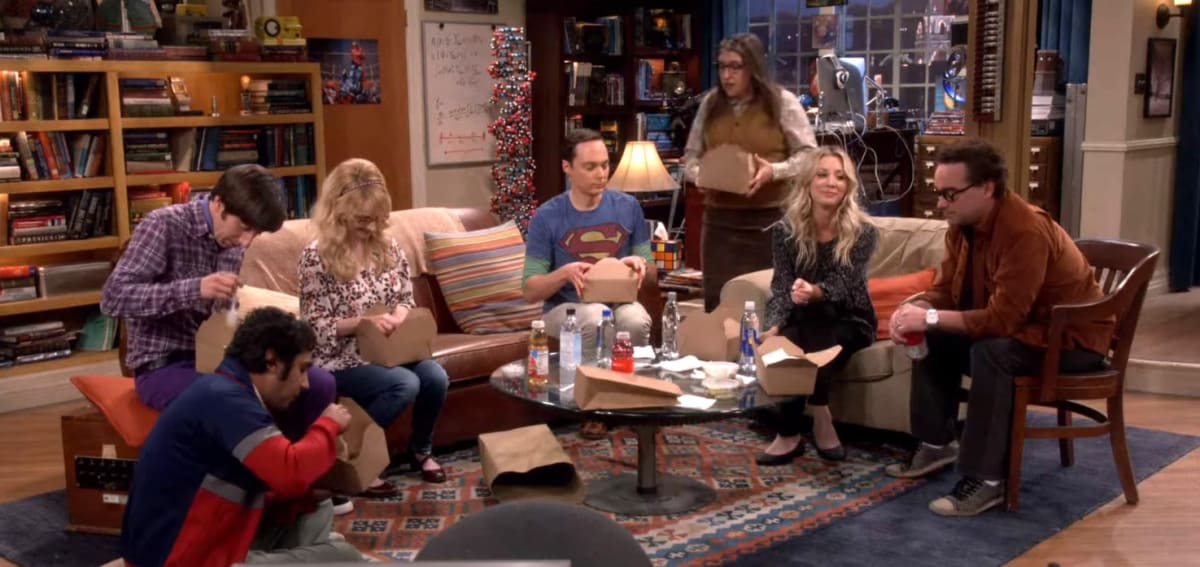
In an attempt to replicate the success of 'The Big Bang Theory', a team in Belarus created a show called 'The Theorists' that closely mirrored the original series. Although the actors were different, the characters bore striking similarities to those in the American sitcom.
However, this imitation did not go unnoticed by Chuck Lorre and Warner Brothers, who promptly issued a warning about copyright infringement to the Belarusian creators.
The Belarusian production of 'The Theorists' raised concerns as it was unlicensed, signaling a clear violation of copyright laws.
This discovery prompted many actors involved in the overseas production to resign immediately, unwilling to participate in an unauthorized project.
The swift action taken by Lorre and Warner Brothers underscored the importance of respecting intellectual property rights and protecting creative works from unauthorized replication and was also a controversial subject when the news first came out.
Mayim Bialik's op-ed on women in Hollywood stirred major controversy
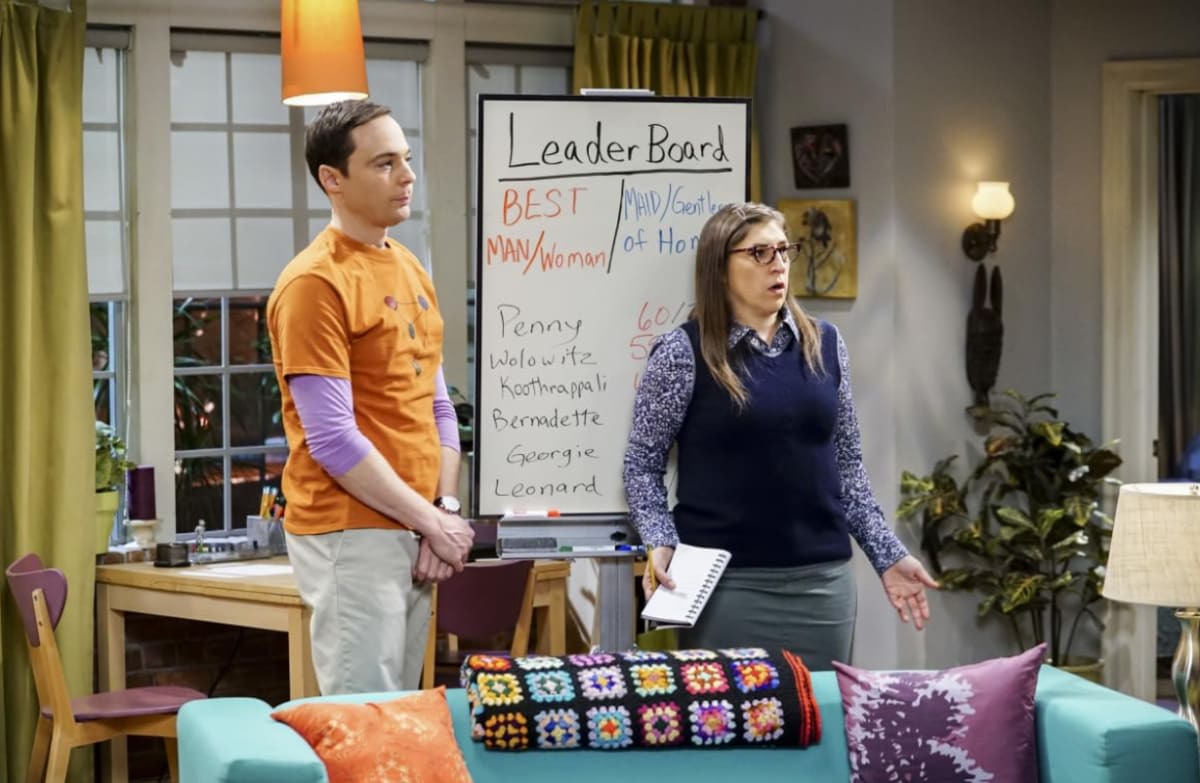
During the height of the Harvey Weinstein allegations, Mayim Bialik, known for her role as Amy, penned an op-ed for The New York Times discussing women in Hollywood.
While her intentions were positive, many fans of 'The Big Bang Theory' disagreed with her perspectives on womanhood and representation within the industry.
Bialik stirred controversy by implying that her modest dress in Hollywood contributed to differing experiences compared to other women in the field.
She stated, "I have decided that my sexual self is best reserved for private situations with those I am most intimate with. I dress modestly. I don’t act flirtatiously with men as a policy."
Bialik's remarks were not the sole controversial statements from the show's cast, but they did spark widespread discussion across diverse audiences.
As a mother of two, Bialik openly shared her parenting methods with fans, including her choice to be an anti-vaxxer for her children, which drew significant backlash.
Despite the criticism, Bialik defended her parenting decisions, expressing gratitude for those concerned about her children's well-being.
She maintained that she and her ex-husband made informed choices after conducting thorough research and consulting with medical professionals.
How to stream 'The Big Bang Theory'?
'The Big Bang Theory' is available to stream on Netflix as well as Prime Video.
The Netflix membership plan starts from $6.99/month for the standard plan with ads.
The standard plan without ads is priced at $15.49/month, while the Premium plan costs $22.99/month
Prime membership costs $14.99 monthly or $139 annually, with various discounts available.
'Prime Access' is $6.99/month for government assistance recipients, while 'Prime Student' is $7.49/month or $69/year for college enrollees, offering exclusive perks.
Amazon provides a 30-day trial for Prime and Prime Access, allowing users to explore benefits before committing.
'The Big Bang Theory' trailer