Is 'Stuart Fails to Save the Universe' canon? Here's where the new 'Big Bang Theory' spinoff fits
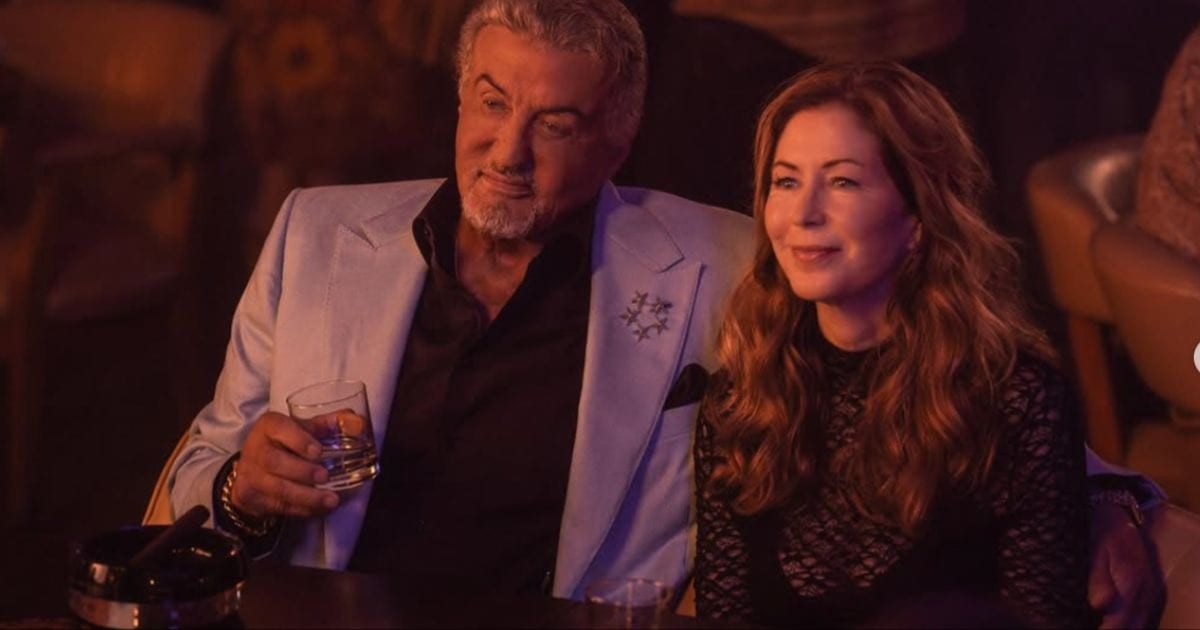
Fans have been asking one question ever since HBO Max announced ‘Stuart Fails to Save the Universe’: is the new ‘The Big Bang Theory’ spinoff actually canon? According to the people behind the series, the answer is not as simple as a yes or no. The upcoming show expands the franchise through the multiverse, giving it a unique place within the ‘Big Bang Theory’ universe.
Co-creator Bill Prady addressed the question in an interview with Variety, discussing how the story fits into the established timeline. He explained that the event triggering the new series happens in the "prime universe," but none of the 10 episodes take place there afterward. "That moment happened in the prime universe, but there's no episode that takes place of these 10 in the prime universe," Prady said. He then answered the biggest fan question directly by adding, "So is it canon? It's multiverse canon!" Chuck Lorre followed the remark with a joke, telling fans, "Don't poke at it too much!"

Lorre revealed that the idea for the plot actually dates back to the final years of ‘The Big Bang Theory’. He originally imagined a portal hidden behind Stuart's comic book store that would lead to other dimensions and turn the series into an action-comedy science fiction adventure. The pitch, however, failed to move forward because network and studio executives wanted a more traditional spinoff featuring the sitcom's main cast. Lorre eventually set the project aside while working on other shows before revisiting it years later.
The concept returned during the pandemic when Lorre teamed up with ‘The Big Bang Theory’ co-creator Bill Prady and screenwriter Zak Penn. Penn said Lorre wanted to create "a spinoff that's not like any other spinoff you've seen," with a tone that fully embraced science fiction and fantasy. Prady said he immediately liked the opportunity because some of his favorite 'Star Trek' episodes blended comedy with science fiction. Their collaboration eventually led Warner Bros. Television and HBO Max to approve the project.
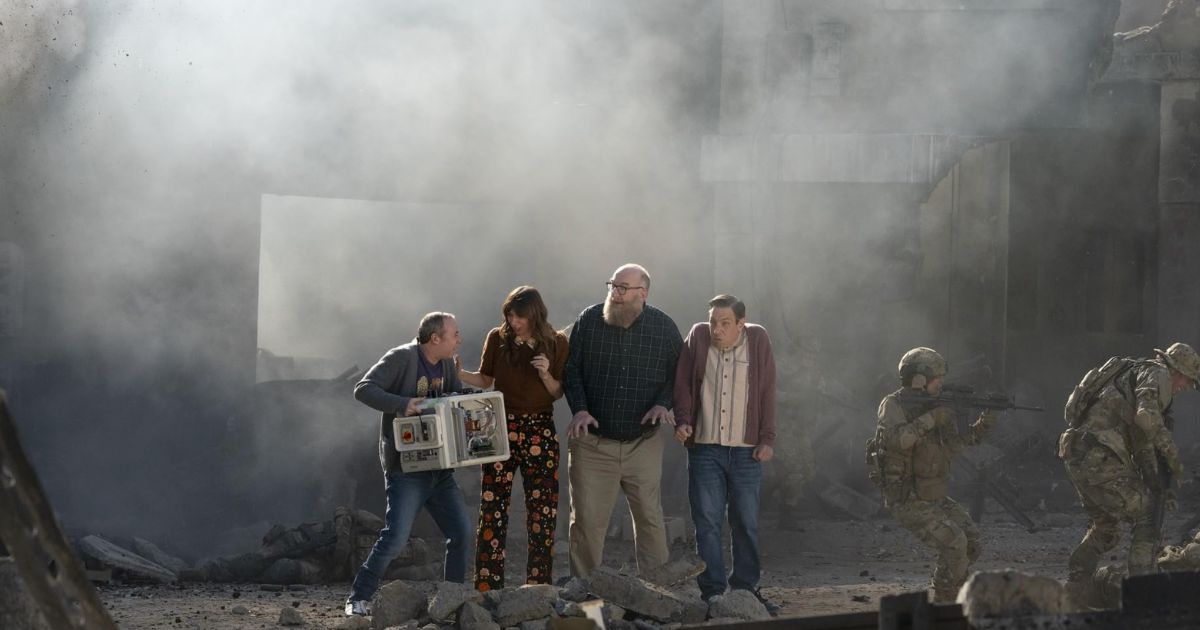
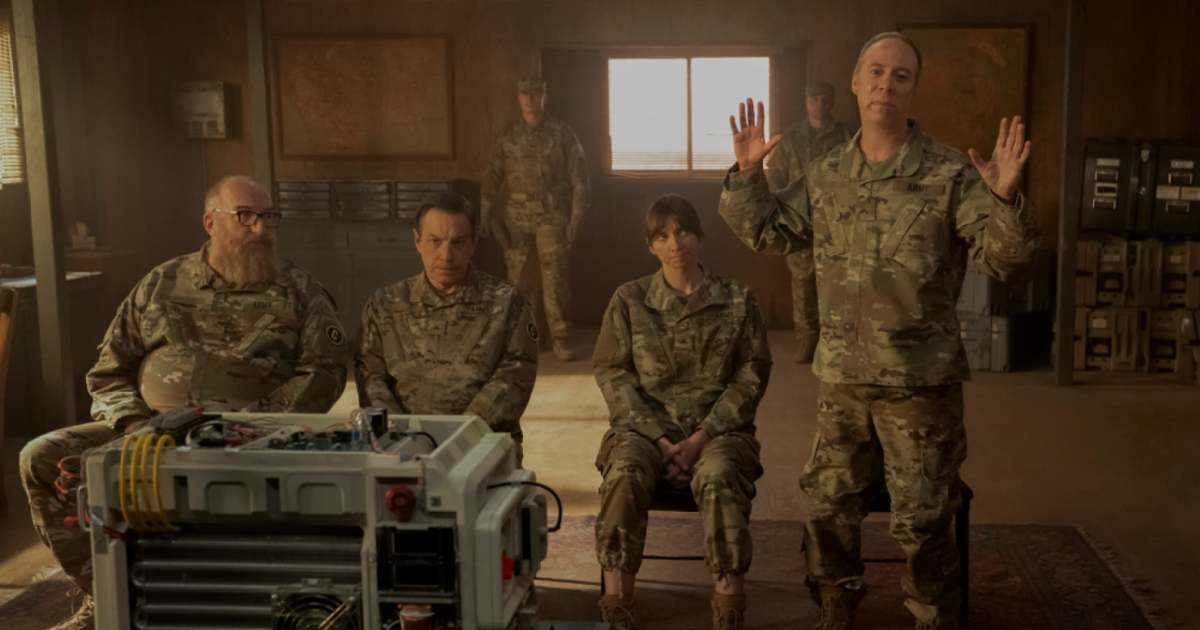
Sussman described the new series as a major departure from the original sitcom. He said the show is "so outside of the box" and "so not like the original show," calling it "a huge risk" because it takes the franchise in a completely different direction. The series includes visual effects, alternate universes, explosions, and even gruesome deaths, all elements that never defined ‘The Big Bang Theory’. During filming, Sussman and Lauren Lapkus even performed wirework that left them briefly believing a stunt had gone wrong.
Several familiar faces also return for the adventure. Alongside Sussman, Lauren Lapkus reprises Denise, Brian Posehn returns as Bert, and John Ross Bowie once again plays Barry Kripke. The series also features cameo appearances from several ‘Big Bang Theory’ actors playing multiverse versions of their characters, while Wil Wheaton returns as himself. A new character named Gary, played by Tommy Walker, also joins the story as a possible rival for Denise's affection across different realities.
Lorre said the series includes numerous ‘Big Bang Theory’ Easter eggs because it feels like the kind of show Sheldon, Leonard, Howard, and the rest of the gang would have watched and debated together. At the same time, Sussman believes viewers do not need to watch the original sitcom before starting the new series. He said the creative team did "a really good job" building the central characters so newcomers could still enjoy the story. For longtime fans, however, the creators have already settled the biggest debate: ‘Stuart Fails to Save the Universe’ is, in Prady's words, "multiverse canon."