Is ‘Facing El Chapo’ based on a true story? The real case behind Netflix’s movie explained
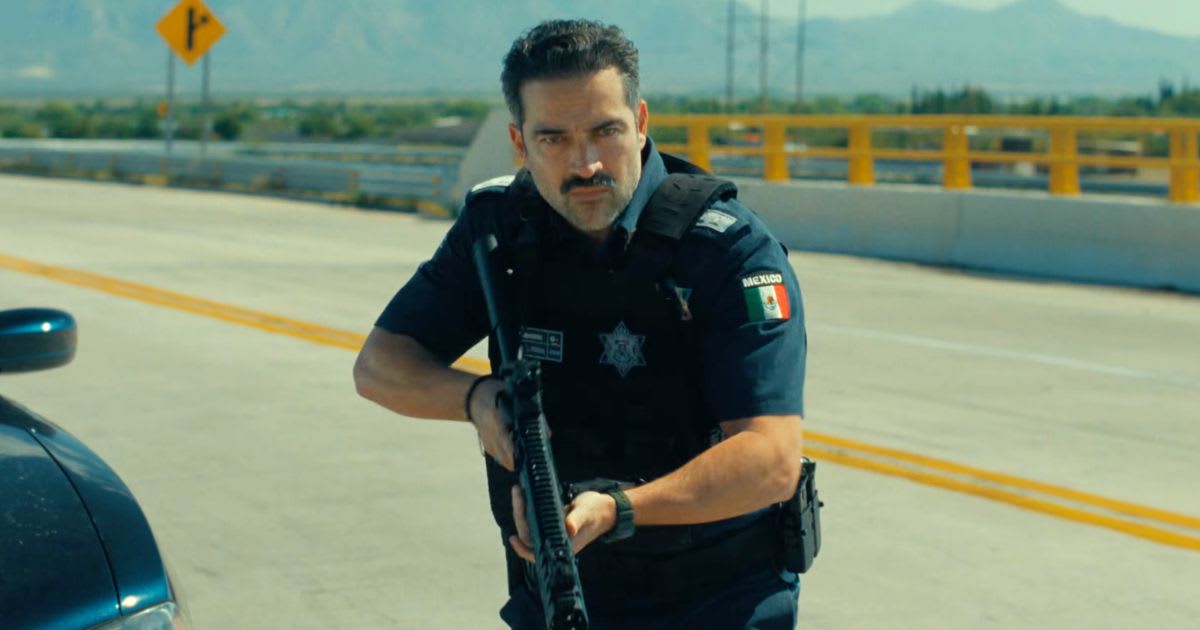
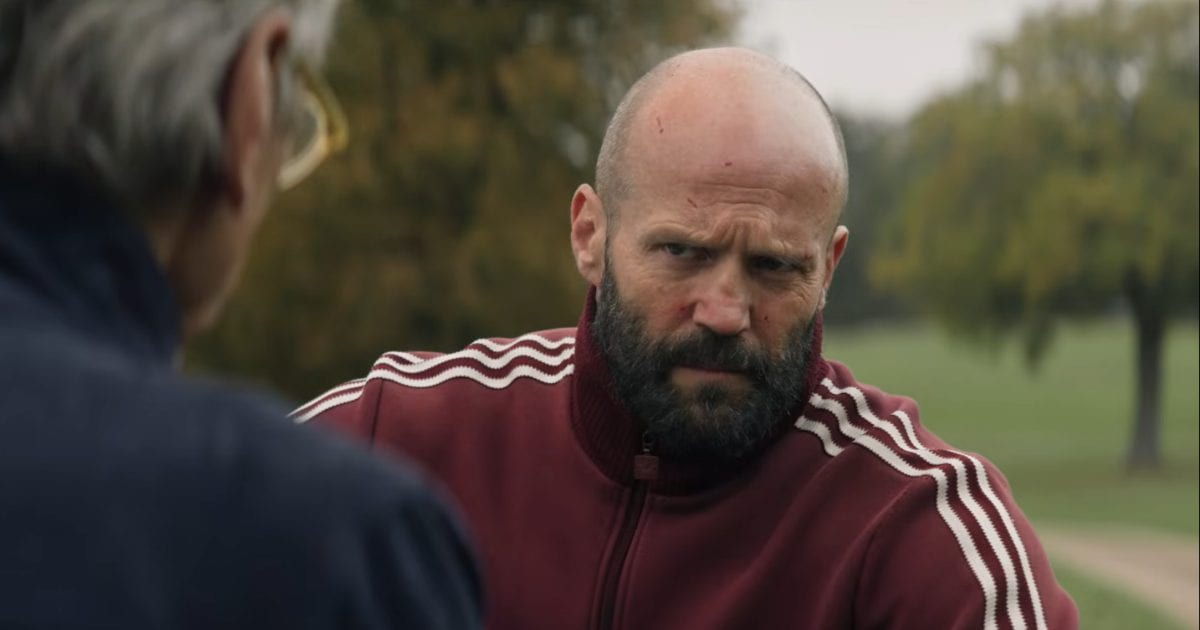
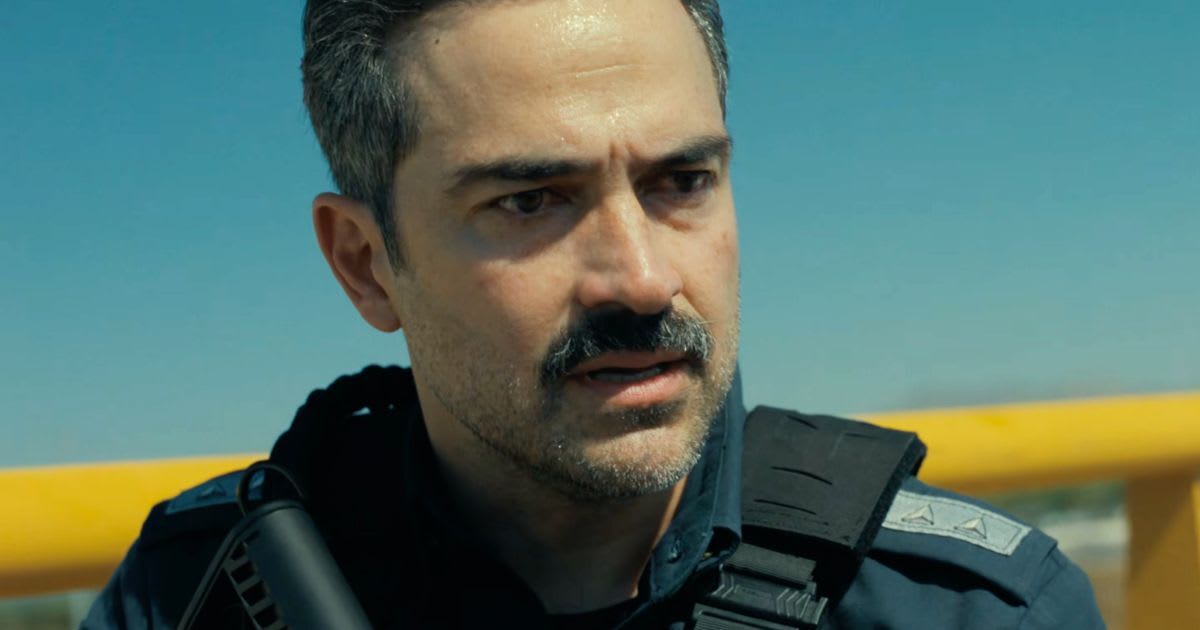
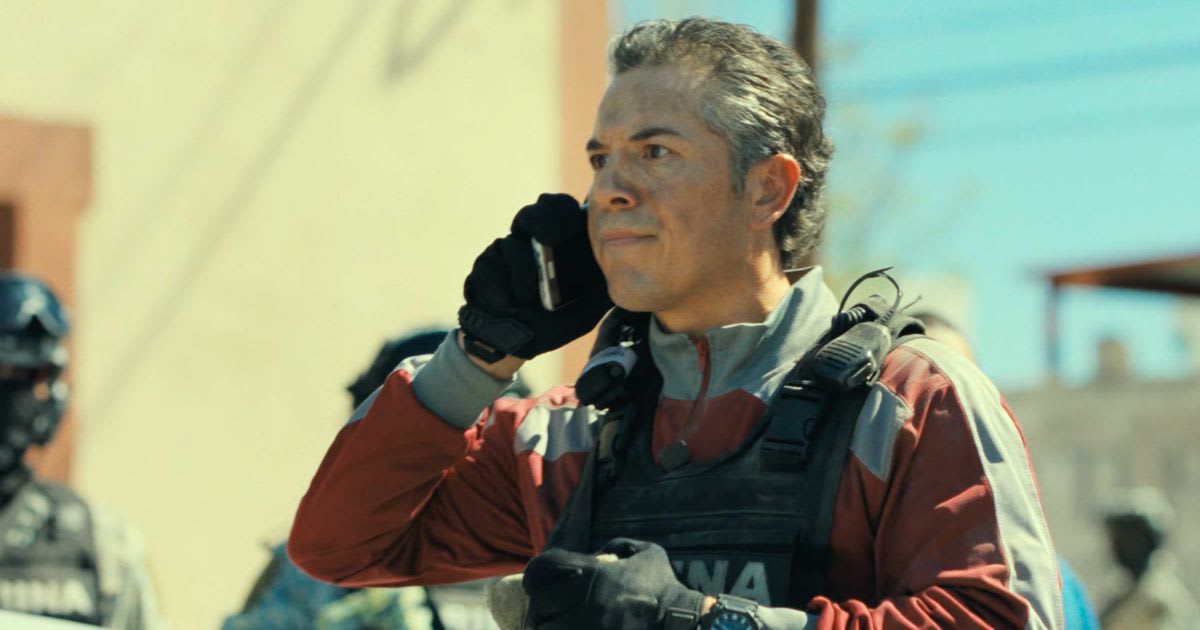
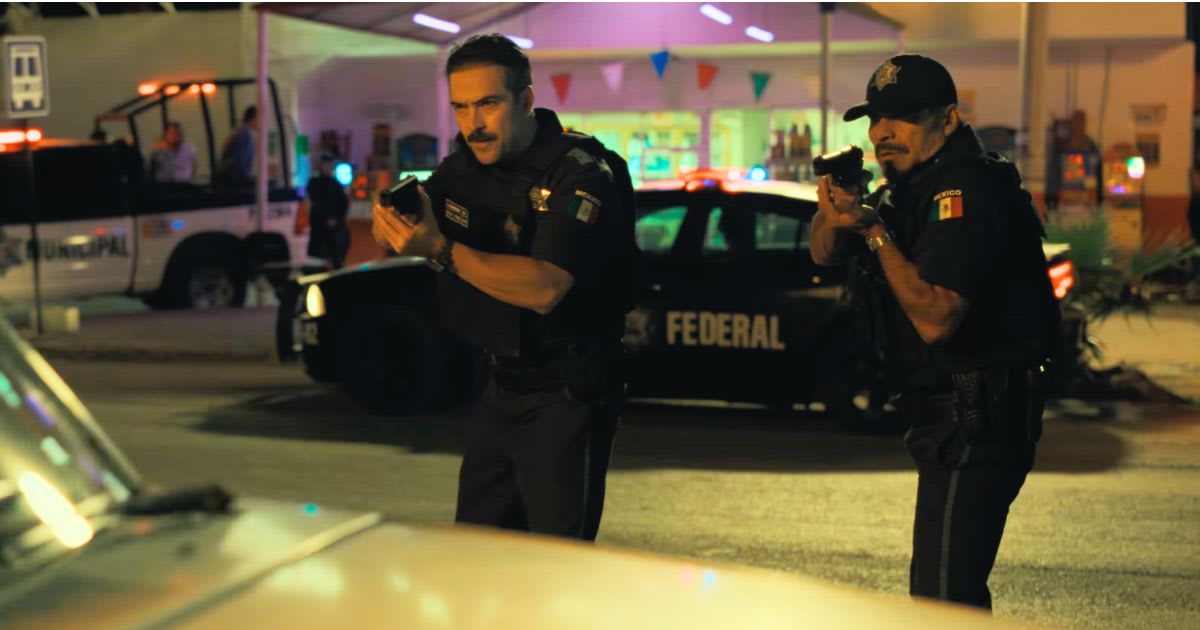
Netflix’s ‘Facing El Chapo’ draws from one of the most dramatic arrests in the history of Mexican drug trafficking. The film is based on a true story and follows two federal police officers who captured Joaquín ‘El Chapo’ Guzmán after he escaped a raid during the manhunt that followed his prison escape. Hector Kotsifakis plays Guzman, with Alfonso Herrera and Noe Hernandez portraying the officers at the center of the story. Chava Cartas directs the film, which takes a fictionalized approach to the events surrounding Guzman’s final capture.
The real events took place on January 8, 2016, in Los Mochis, Sinaloa, Mexico. Guzman had spent months hiding after escaping from Mexico’s maximum-security Altiplano prison through a tunnel in July 2015. His escape triggered another search for the Sinaloa Cartel leader.
Mexican authorities eventually located him in a house in Los Mochis and launched a raid. Guzman and his lieutenant, Jorge Ivan 'El Cholo' Gastelum, escaped through the city’s drainage system during the operation. The pair emerged from a manhole after crawling through the underground system.
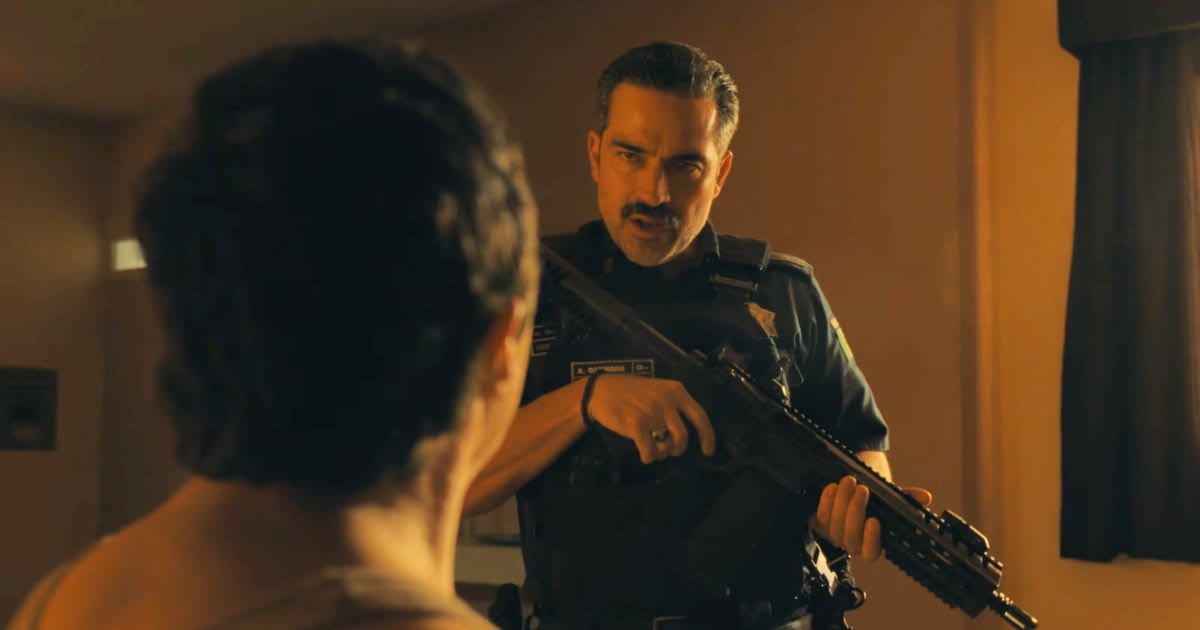
The fugitives then stole a white Volkswagen Jetta, abandoned that vehicle a few blocks later, and took a red Ford Focus as they continued their escape. Two federal police officers spotted the Focus speeding along the Los Mochis-Navojoa highway.
Gastélum, who was driving, refused to stop, prompting the officers to cut off the car and order both men out of the car. Gastelum still had a weapon, but the officers took both men into custody without a gunfight. Guzman had finally been captured for the third and last time.
The situation became more dangerous after the arrest. The officers received information that around 30 pickup trucks carrying armed men were heading toward Los Mochis. The officers feared cartel members could monitor their radio communications and called their superiors by phone to request backup instead.
Another federal patrol soon arrived with two more officers. The group decided against driving directly to their headquarters. They believed the route posed too much danger, so they took Guzman and Gastelum to a nearby motel.
That motel became the central setting for the real-life encounter that inspired ‘Facing El Chapo.’ The officers hid their patrol cars inside the motel garage and secured two rooms. One room had access to the roof, giving the officers a better vantage point to watch for approaching attackers.
Two officers stayed on the roof with rifles, while the other two remained with the prisoners. Gastelum stayed handcuffed inside one of the patrol cars. Guzman reportedly tried to persuade the officers to release him. He offered money, houses, and businesses, according to reporting on the encounter.
The drug lord also used threats after his attempts to offer bribes failed. The officers had to keep him in custody despite the danger surrounding them. More federal officers eventually reached the motel. Six additional officers arrived first, followed about 20 minutes later by military personnel.
The authorities then took control of the operation and moved Guzman out of Los Mochis. He was taken to the Los Mochis airport before authorities transferred him to Mexico City. ‘Facing El Chapo’ uses these documented events as its foundation. The film changes some details and creates scenes around the officers’ experience.
The two main police characters, Arturo Carmona and Héctor Rosales, are fictionalized versions of the officers at the heart of the story. The movie places them in an extended confrontation with Guzman as they wait for reinforcements. That part gives the film room to imagine conversations, threats, and decisions that records cannot fully document. The filmmakers focus on what an officer might do after capturing one of Mexico’s most powerful criminals.

Cartas said he became interested in the story after reading documents about organized crime and finding far less material about the two officers. He wanted the film to give those men more attention. Mexican journalist and author Hector de Mauleon’s reporting on the officers provided an important starting point for the project. The filmmakers combined that reporting with research into Guzman’s arrest.
Cartas has described the movie as a fictionalized story rather than a documentary. The filmmakers used known events as their foundation, then filled gaps with fictional scenes and character moments. The director also said the film does not aim to glorify Guzman or the criminal world surrounding him.
His focus remains on the officers who carried out their duty during a highly dangerous operation. The real story did not end at the motel. Guzman faced extradition to the United States about a year after his capture.
He was extradited to the United States to face charges from six separate federal indictments. A jury later found him guilty on all 10 counts in February 2019. The charges covered drug trafficking and other crimes linked to his criminal organization. A U.S. court sentenced Guzmán to life in prison plus 30 years in July 2019.
According to a CNN report, he now remains imprisoned at a federal supermax facility in Florence, Colorado. That history gives ‘Facing El Chapo’ a clear real-life foundation. The Netflix film does not recreate every event exactly as it happened. Instead, it uses Guzman’s 2016 capture and the officers who arrested him to build a tense crime drama around a documented moment in Mexican history.