What did Dana Chandler do? True story behind HBO’s ‘A Killer Story’ explained
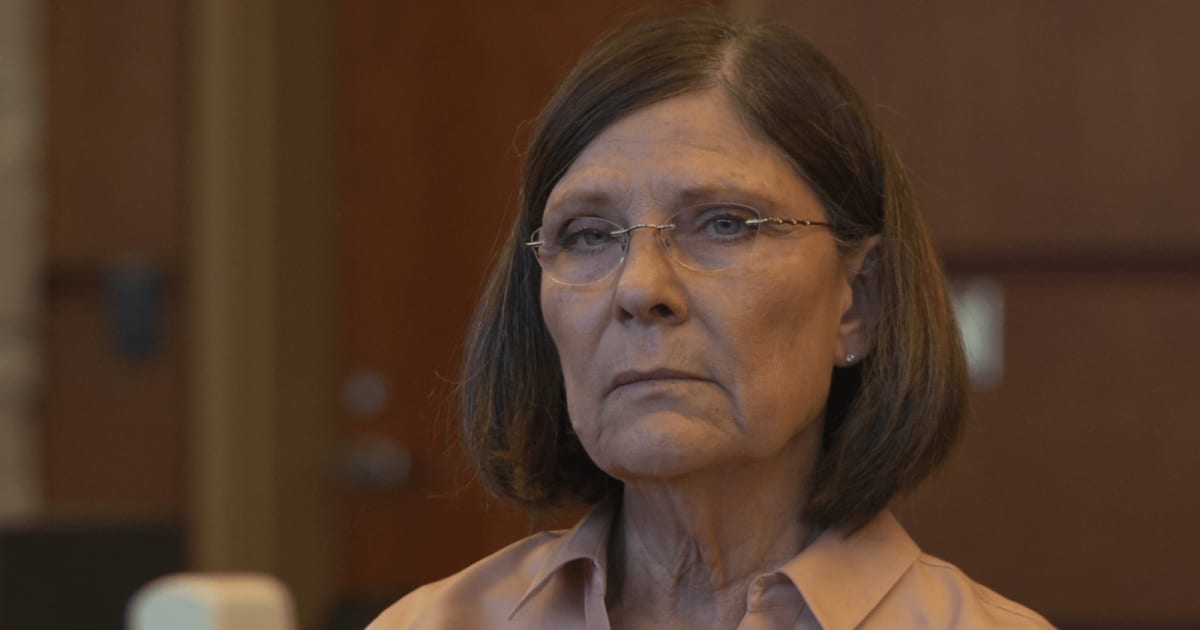
HBO’s ‘A Killer Story’ revisits a double-murder prosecution that has divided families, investigators and outside advocates for more than two decades. Dana Chandler was accused of killing her ex-husband, Mike Sisco, and his girlfriend, Karen Harkness. The series also follows journalist Joe Sexton after citizen sleuth Eileen Umbehr contacts him with thousands of emails arguing that Chandler was wrongly convicted. The documentary premieres on HBO and HBO Max on September 10.
Chandler is serving two consecutive life terms after a Kansas jury convicted her of two counts of first-degree murder at her third trial, which began in February 2025. Judge Cheryl Rios imposed the sentences on June 3, 2025, and Chandler will not be eligible for parole for 50 years, with credit for about 13 years served. Chandler said she planned to appeal the convictions and still denies the killings, saying at her sentencing that she maintained her innocence. "I am innocent. I did not kill Mike and Karen," she said.
Sisco, 47, and Harkness, 53, were found shot to death in the basement bedroom of Harkness’ Topeka home on July 7, 2002. Both of them had been shot several times with a 9mm gun, but investigators never recovered the weapon. Police found no DNA, fingerprints, or other forensic evidence connecting Chandler to the house, and no witness placed her in Topeka that weekend. She lived about 540 miles away in Denver.
Relatives directed investigators to Chandler after describing a bitter divorce and accusing her of repeatedly calling, visiting, and stalking Sisco. Prosecutors said she called Sisco and Harkness more than 600 times during the six months before the killings. They also cited a 27-hour gap in her cellphone activity, conflicting accounts of her whereabouts, and her purchase of two gas cans. Chandler said she was in Colorado and bought the cans to help a woman who had run out of gas.
The case remained uncharged until a new district attorney approved Chandler’s arrest in July 2011. A jury convicted her in 2012 after 83 minutes of deliberation, and she received a life sentence. In 2018, the Kansas Supreme Court overturned both convictions because prosecutor Jacqie Spradling had made misleading and unsupported statements at trial. The court cited “intolerable acts of deception,” and Spradling was later disbarred, but the justices found sufficient evidence to retry Chandler.
Chandler’s second trial began in 2022 and again placed the circumstantial case beside the absence of physical evidence. After six days of deliberations, jurors deadlocked seven to five in favor of conviction, forcing a mistrial. Chandler was released under GPS monitoring while prosecutors prepared another case. A change of venue moved the third trial from Topeka to Pottawatomie County.
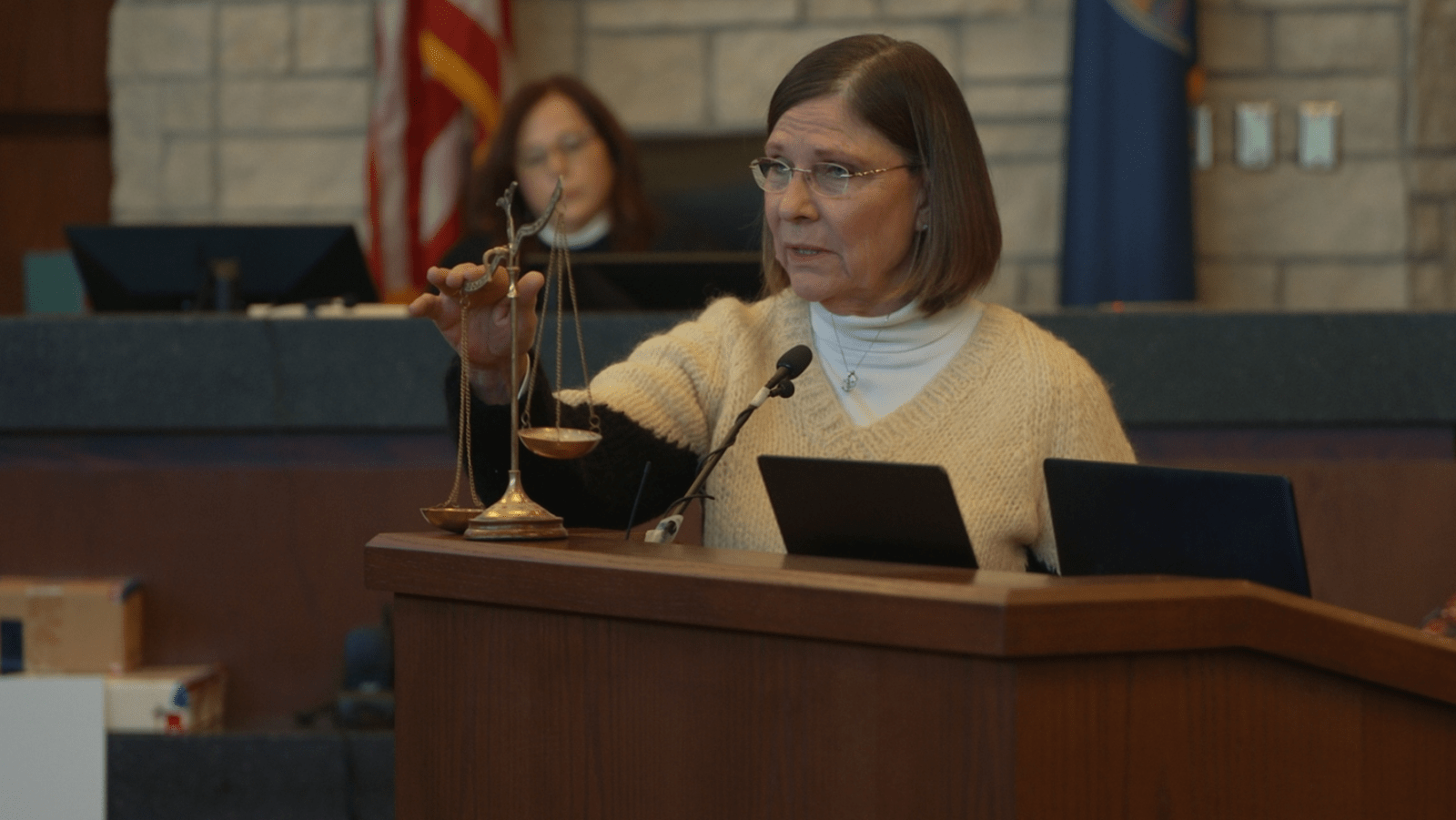
At that trial in February 2025, Chandler dismissed her lawyers on the morning of opening statements and represented herself. She testified for about 20 hours across seven days and maintained that nobody could place her in Kansas.
Prosecutors returned to her calls, statements, and conduct toward Sisco, while her children again testified for the state. Jurors deliberated for nearly four hours before convicting her, producing a legal resolution that the HBO series presents alongside the questions still surrounding the case.