‘DWTS’ debuts new tradition in its holiday special and one emotional performance quietly steals the night
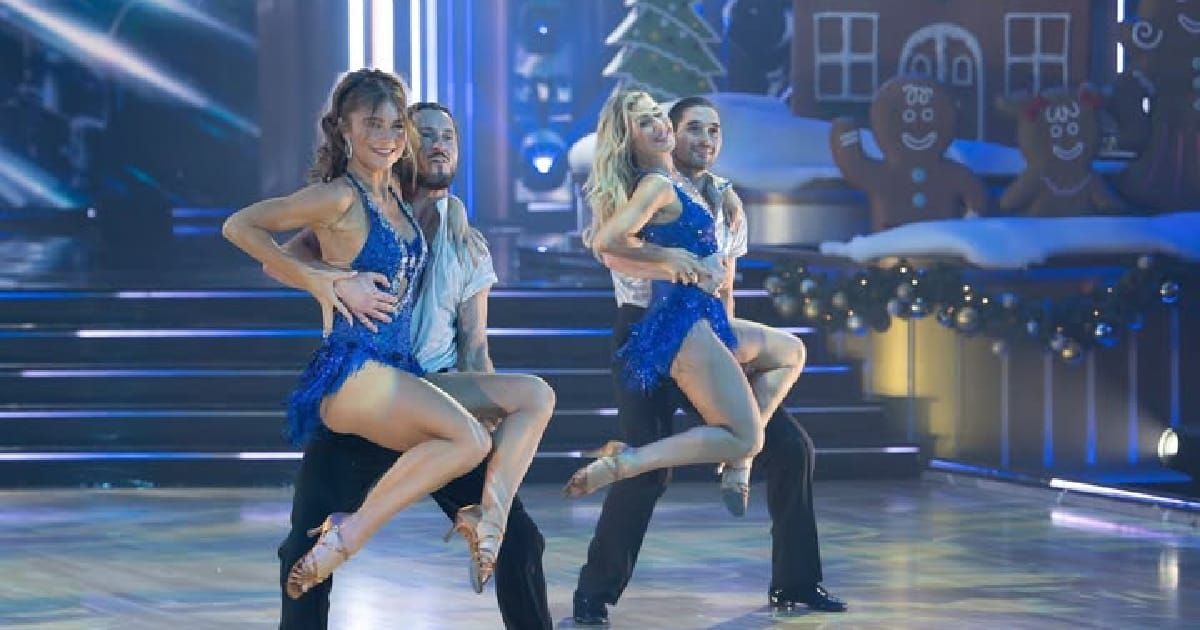
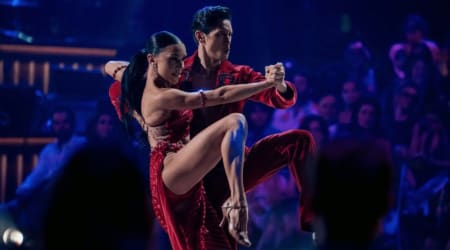
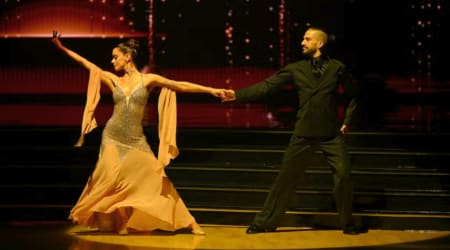
‘Dancing With the Stars’ unwrapped something new this season with its festive special, ‘Dancing With the Holidays.’ It changes the focus squarely onto the pros in a rare twist for the long-running franchise. While the show has dipped into holiday content before, this marks its first full-length Christmas special. However, long-time fans couldn’t help noticing that several segments included previously aired material. Still, the night delivered one unforgettable standout: a history-making Hanukkah performance that has quickly become the most talked-about moment of the entire event.
As per ScreenRant, unlike the standard ‘DWTS’ format, which revolves around celebrities learning new dances, the holiday special handed center stage to the professionals. Viewers saw a mix of fresh choreography and repurposed clips, including a dance originally created for an ABC Pennsylvania affiliate and a nostalgic throwback to Rylee Arnold’s ‘DWTS: Juniors’ days. But despite the Christmas-themed packaging, it was a non-Christmas performance, one honoring Hanukkah, that stole the spotlight online. Pro dancer Alan Bersten introduced his piece with a touching segment rarely afforded to 'DWTS' pros.
Bersten, who is Jewish, shared that he didn’t grow up seeing meaningful Jewish representation in competitive dance spaces. As quoted by Unpacked, “hopefully a Jewish kid’s watching this, and they feel seen, and they feel proud,” he said. Known for championing the personalities of his partners, including recent stars like Elaine Hendrix and Ilona Maher, he used this special to reveal a part of his own story instead. Bersten’s performance was elevated by his choice of music: “Miracle” by Matisyahu, one of the most influential Jewish artists active today. The track balances contemporary warmth with lyrics rich in cultural meaning. It was a perfect match for the number’s tone.
His choreography paid tribute to tradition in thoughtful ways. He explained his inspirations, from weaving in the hora to staging clever visual moments like dancers linking arms to form a menorah. A spinning sequence meant to evoke a dreidel added both charm and technical flair. The result was a celebration that felt joyful to newcomers while resonating deeply with those familiar with its cultural references. Though Bersten never explicitly named it, viewers familiar with Jewish folk traditions recognized the influences immediately. Moreover, the inclusion of Val Chmerkovskiy, whose father is Jewish, further underscored the communal spirit of the performance.
Together, the dancers created something that felt less like a show segment and more like a shared cultural moment. 'DWTS's' decision to spotlight a Hanukkah dance, and call attention to its place as the show’s first, aligns with a growing shift across television toward more authentic Jewish representation. Shows like ‘Nobody Wants This’ have paved the way by weaving Jewish identity and philosophy into their plot naturally. Even series not centrally focused on Judaism, including ‘Doc’ and ‘The Pitt,’ now treat Jewish characters’ identities as integral but not defining. Their traditions, values, and heritage simply exist as part of their lives, the same way other identities are portrayed.