
'The Moodys' examines the modern phenomenon of 'micro-cheating' through Dan and Bridget's 'emotional infidelity'

‘The Moodys’, Fox’s holiday-themed comedy miniseries is a tale of dysfunctionality. Through awkward moments, situational comedy and general ugly behavior, the show brings out the complexities in modern relationships -- familial or otherwise.
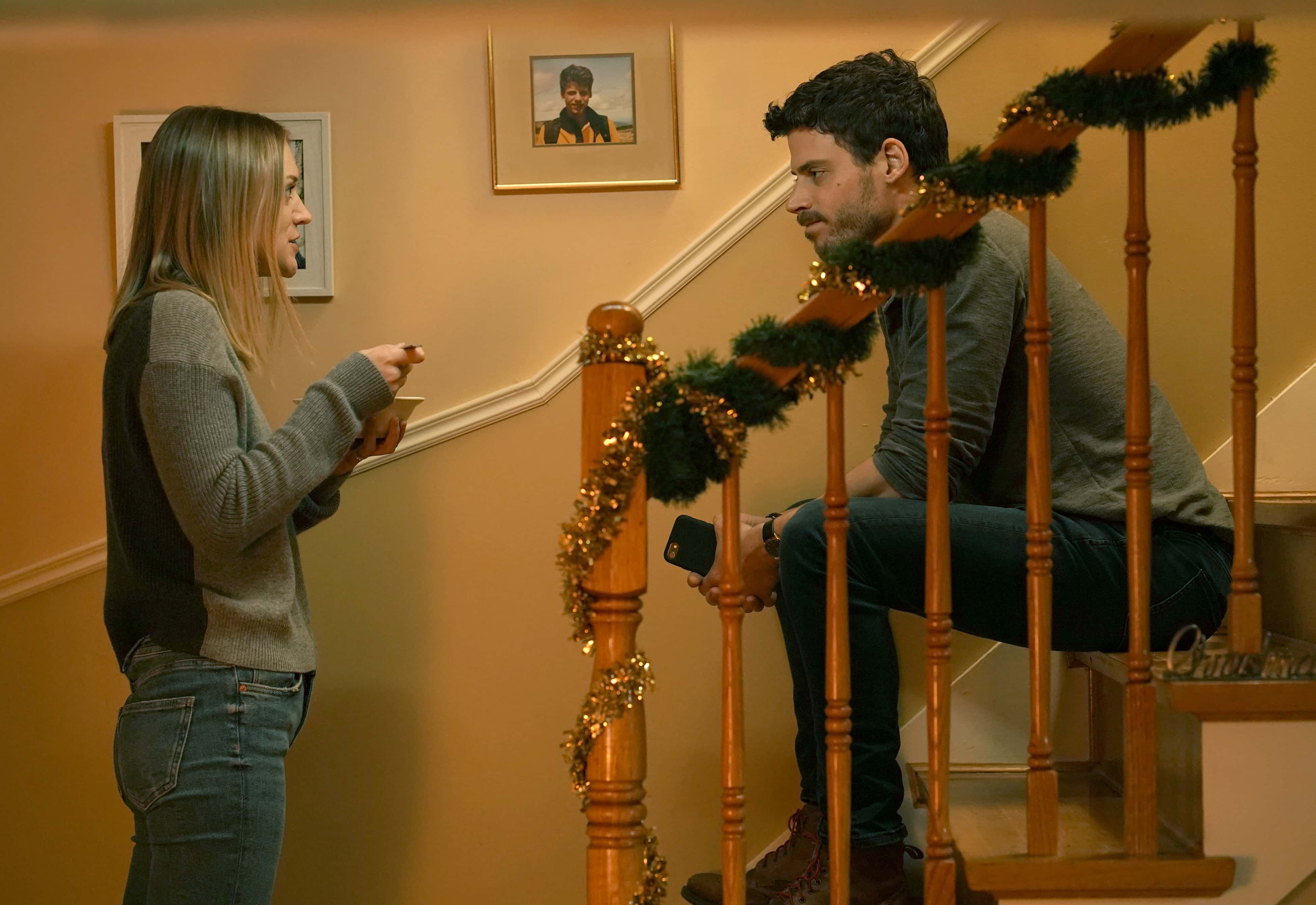
A theme that is pervasive in the context of this dysfunctionality in the show is that of infidelity or at least a form of it. Dan (François Arnaud) and his sister Bridget (Chelsea Frei) both partake in a modern phenomenon called micro-cheating.
In Dan’s case, he falls for his obnoxious cousin’s girlfriend Cora (María Gabriela de Faría). Despite the fact that he tries to mend things with his ex-girlfriend Ali (Megan Park), once she is back, he just can’t get Cora out of his mind; and ultimately breaks up with Ali -- very badly and very publicly.
In Bridget’s case, she sort of does this with her old friend Monty (Kevin Bigley); of course, she does that only after she actually cheats on her husband Doug (Scott Ryan Yamamura), who then kicks her out of their home.
So, what is micro-cheating? According to Ty Tashiro, psychologist and author of ‘The Science of Happily Ever After: What Really Matters in the Quest for Enduring Love’, micro-cheating is “a relatively small act of emotional infidelity with someone outside of a person's committed relationship.”
Tashiro adds, speaking to NBC, “Though micro-cheating does not involve physical contact with someone outside the committed relationship, it’s important to avoid the temptation to overemphasize the ‘micro’ part of the phrase and remember that ‘cheating’ is the operative word. When one betrays a partner’s trust there are always emotional consequences for the partner’s well-being and the integrity of the relationship.”
Both Dan and Bridget are guilty of this. While Ali was busy meeting the family and bonding with them, Dan was busy talking to Cora. Even if it was an innocuous conversation about photography, he was emotionally invested in her, constantly pondering over the “what ifs” of it all.
Bridget, on the other hand, found a kind of emotional support in Monty post things falling apart with Doug. Even if they were separated, trying to sort things out, Bridget was busy using Monty’s company to forget about her disastrous relationship. She began depending on him for happiness and comfort.
But what does this say about modern relationships? In an increasingly “self-care” positive world, where selfishness is given a priority in the name of bolstering normalcy and self-worth, are these acts of micro-cheating okay?
Robert Weiss, CEO of Seeking Integrity, an online community that addresses behavioral health challenges, believes that most micro-cheating is done on impulse, “for a bit of excitement or extra stimulation.” He explained that “It’s like ordering cheesecake for dinner instead of a salad. You get a little bit of a rush from it without going totally overboard.”
Micro-cheating, however, can be a slippery slope according to Jayson Dibble, an associate professor of communication at Hope College. “What may start as a harmless text conversation or office friendship can morph into something more, intentionally or not.
If outside interactions are starting to take time or mental and emotional energy away from your actual relationship, that’s a sign they might be more serious,” he said. As the world is fast-moving to a place where monogamy is being considered outmoded, one can argue that micro-cheating is acceptable. But one can hardly deny that it has its effects and the ones who are affected by this are ever unlikely to feel it is a good thing. Ali in ‘The Moodys’ is proof of that.