Did Robert Oppenheimer really try to poison his professor? Physicist's grandson objects to 'poisonous apple' scene in movie

Warning: Spoilers for 'Oppenheimer'
LOS ANGELES, CALIFORNIA: Hollywood is witnessing a historic phase with movies like 'Oppenheimer' and 'Barbie' dominating the box office. It's a rare occurrence to see two high-profile films, released on the same date, performing exceptionally well.
Despite the positive response, both movies are facing some criticism. 'Oppenheimer' by Christopher Nolan is under scrutiny for its factual inaccuracies. A scene in the movie previously garnered attention for displaying the wrong American flag, featuring 50 stars instead of 48 stars. Now, another scene in the film has been brought to attention, particularly by J Robert Oppenheimer's grandson Charles.
Did Robert Oppenheimer really try to poison his professor?
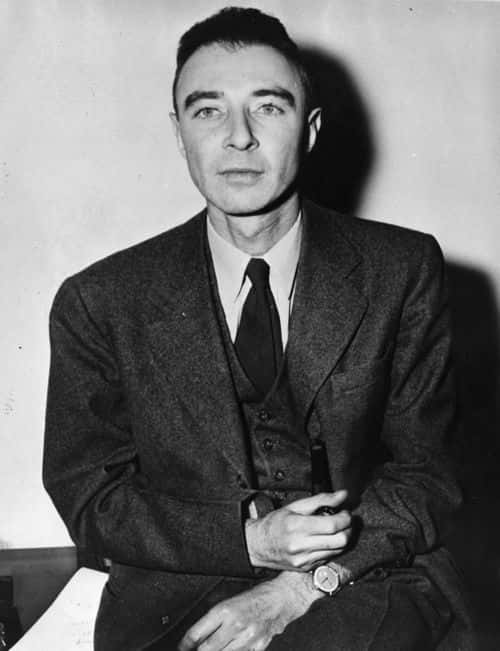
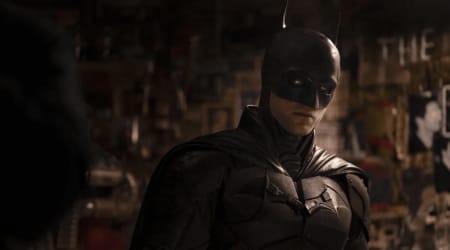
While the film may have taken creative liberties to enhance its cinematic impact, the core story is based on real incidents from Oppenheimer's life. 'Oppenheimer' is based on the Pulitzer Prize-winning biography, 'American Prometheus: The Triumph and Tragedy of J Robert Oppenheimer', by Kai Bird and Martin J Sherwin. In one scene, a young Oppenheimer injects potassium cyanide into a green apple, intending to give it to his university tutor, but later changes his mind and throws it away before Professor Niels Bohr (played by Kenneth Branagh) can eat it.
"Robert did something so stupid that it seemed calculated to prove that his emotional distress was overwhelming him," wrote Bird and Sherwin in the book. "Consumed by his feelings of inadequacy and intense jealousy, he 'poisoned' an apple with chemicals from the laboratory and left it on Patrick Blackett (played by James D'Arcy)’s desk," they wrote further. According to the book, there were doubts about the poison used by Oppenheimer and the severity of its effects. However, it was believed that the act was motivated by jealousy. Despite the incident coming to the attention of Cambridge officials, Oppenheimer's parents intervened to prevent his expulsion.
'That’s a really serious accusation'
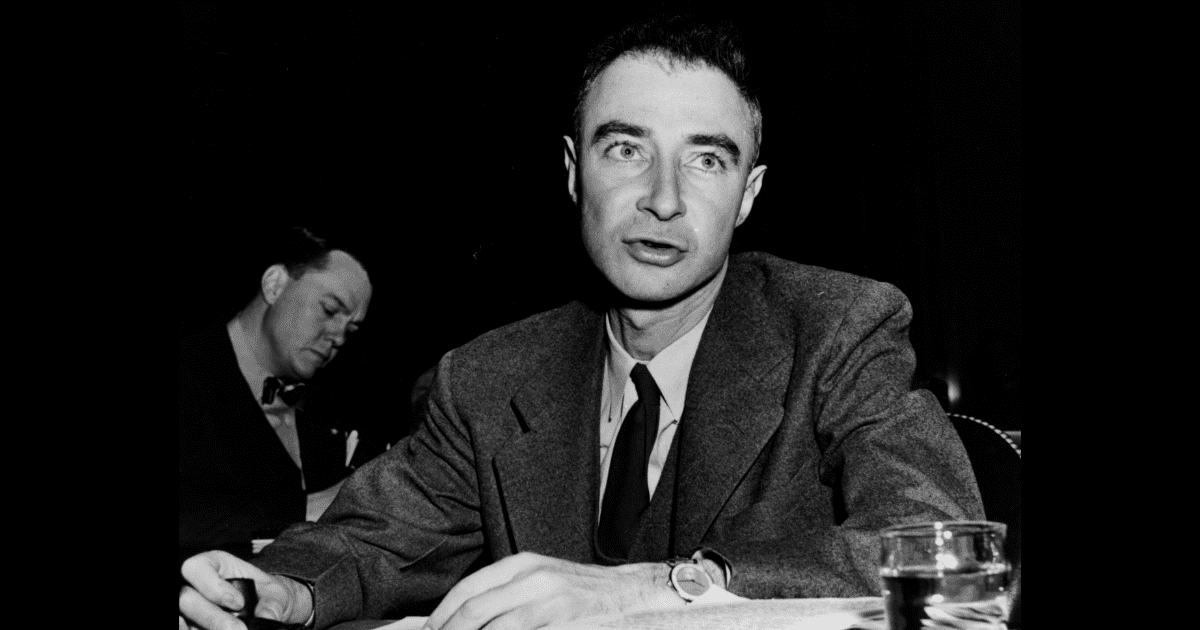
During a recent interview, Charles discussed the particular aspect of the Nolan film that did not sit well with him. He told TIME, "The part I like the least is this poison apple reference, which was a problem in 'American Prometheus'. If you read 'American Prometheus' carefully enough, the authors say, 'We don’t really know if it happened.' There’s no record of him trying to kill somebody. That’s a really serious accusation and it’s historical revision. There’s not a single enemy or friend of Robert Oppenheimer who heard that during his life and considered it to be true."
"'American Prometheus' got it from some references talking about a spring break trip, and all the original reporters of that story—there was only two maybe three—reported that they didn’t know what Robert Oppenheimer was talking about. Unfortunately, 'American Prometheus' summarizes that as Robert Oppenheimer tried to kill his teacher and then they [acknowledge that] maybe there’s this doubt," Charles added.
Charles continued, "It bothers me that it was in the biography with that emphasis, not a disclaimer of, this is an unsubstantiated rumor that we want to put in our book to make it interesting." Clearly, Charles had reservations about the 'poisoned apple' scene but felt that he couldn't offer any suggestions to the director regarding its alteration. "I definitely would have removed the apple thing. But I can’t imagine myself giving advice about movie stuff to Nolan. He’s an expert, he’s the artist, and he’s a genius in this area."