Is ‘Wuthering Heights’ movie accurate to the book? Here are 5 big changes that will surprise you
Emerald Fennell put quotation marks around the title, and honestly, that might’ve been the first warning sign. In the opening credits of “Wuthering Heights,” the Oscar-winning filmmaker makes it clear that her project is “based on the novel by Emily Brontë.” But, long before the movie even reached theaters, conversations were already swirling online about casting decisions and creative liberties.
Foreseeing the comparisons, Fennell addressed the conversation in an interview with Fandango. “You can’t adapt a book as dense and complicated and difficult as this book,” she explained. “I can’t say I’m making ‘Wuthering Heights.’ It’s not possible. What I can say is I’m making a version of it.” Here’s how that version parts ways with the pages of ‘Wuthering Heights’.
Heathcliff’s identity reimagined
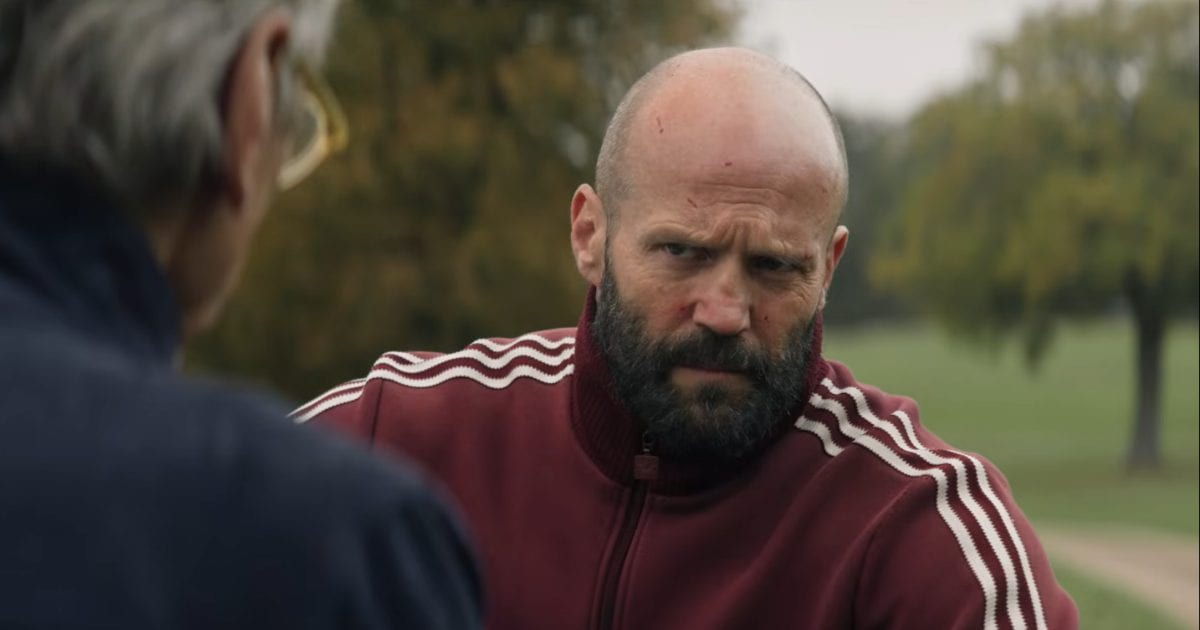
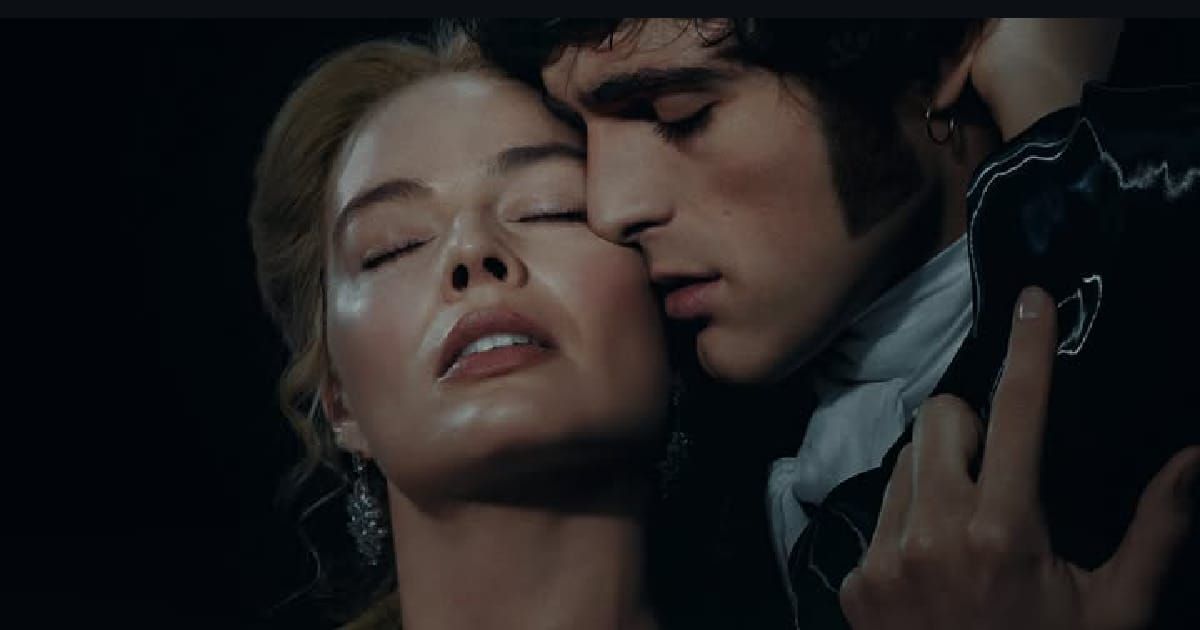
In Brontë’s novel, Heathcliff’s racial background is deliberately unclear, but it is heavily implied that he is not white. Throughout the book, other characters describe him with loaded terms, including ‘gipsy brat’, ‘lascar’ and ‘Spanish castaway’. Fennell’s adaptation takes a different route. Her Heathcliff is portrayed as white (Jacob Elordi), shifting the main conflict away from racial otherness and placing greater weight on class divisions. The forbidden quality of the love story remains, but its foundation changes.
A brother erased
In the original novel, Catherine’s brother Hindley Earnshaw plays a main role. His resentment toward Heathcliff escalates into cruelty, eventually stripping Heathcliff of status and setting revenge into motion. In Fennell’s film, that structure is rearranged. Catherine refers to a dead brother early on, using his name for Heathcliff. But Hindley’s presence as a living antagonist is largely absorbed into Mr. Earnshaw. The father figure becomes the one who spirals into addiction and financial ruin, surrendering ‘Wuthering Heights’ as a result of his own downfall. This adjustment makes Heathcliff’s anger more personal. The betrayal comes from a parental figure rather than a rival sibling.
Cathy meets Edgar later in life
Brontë’s Catherine first encounters the Linton siblings as a child after she and Heathcliff sneak onto neighboring property. A dog attack lands her in their home for weeks. Fennell moves that encounter into adulthood. In the film, Catherine (Margot Robbie) spies on the residents of Thrushcross Grange as a grown woman and injures herself during the attempt. Edgar and Isabella are no longer simply children next door. Also, Isabella is reimagined as Edgar’s ward instead of his sister.
Nelly’s expanded role
In Brontë’s book, Nelly serves primarily as a storyteller, recounting events with limited interference. Fennell discards that framing device entirely and turns Nelly into an active participant with agency and, at times, spite. In the film, it is Nelly who ensures Heathcliff overhears Catherine confessing that marrying him would diminish her socially. The eavesdropping leads to his departure. This decision adds complexity to Nelly’s motivations. At one point, Catherine dismisses her, implying she’s incapable of understanding love because she has never experienced it herself. Later, as Catherine nears death, a brief moment of affection between them complicates the hostility. It’s messy. It’s human.
Passion on display
Brontë’s novel leaves much unsaid regarding physical intimacy. Catherine and Heathcliff share fervent declarations and a few final kisses, but their bond is expressed largely through obsession and longing rather than explicit physicality. Fennell’s film removes any ambiguity. The adaptation includes extended scenes of intimacy between the lovers, portrayed in lush, stylized sequences that lean into sensuality. Their connection is shown rather than implied, with repeated affirmations of devotion exchanged in the heat of the moment. The timing of the film’s Valentine’s Eve release suddenly makes perfect sense.