'The Last Czars': The true story behind the downfall of the Romanov dynasty involves slaughter, magic, and misplaced trust

In one of Netflix's more ambitious undertakings, the streaming platform is producing a docu-series about the social upheaval that swept Russia in the early 20th century and led to the downfall of the three centuries old Romanov dynasty, which at the time was headed by Tsar Nicholas II. The big-budget historical drama 'The Last Czars' explores the final years of the royal family, which ended with their execution soon after the February Revolution.
The massacre resulted in the slaughter of the entire royal family, including the former Tsar Nicholas II, former Tsarina Alexandra, their five children - children Olga, Tatiana, Maria, Anastasia, and Alexei - and their trusted aides who followed them to imprisonment. This story continues to shock and sadden many, while also inspiring many documentaries, like 'The Last Czars.'
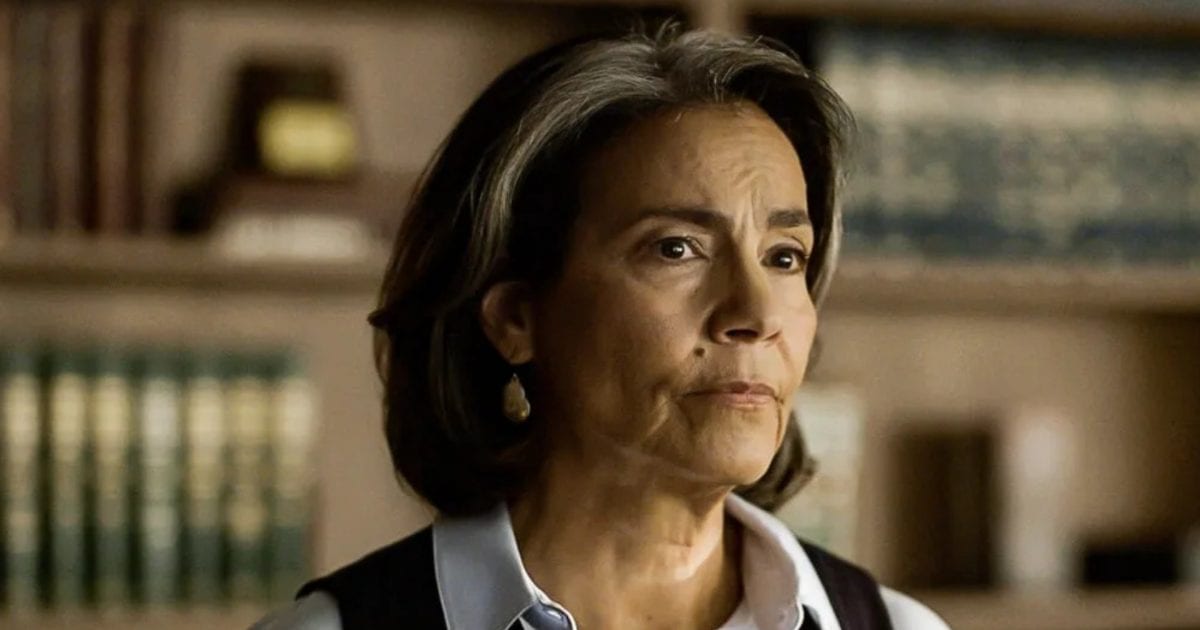
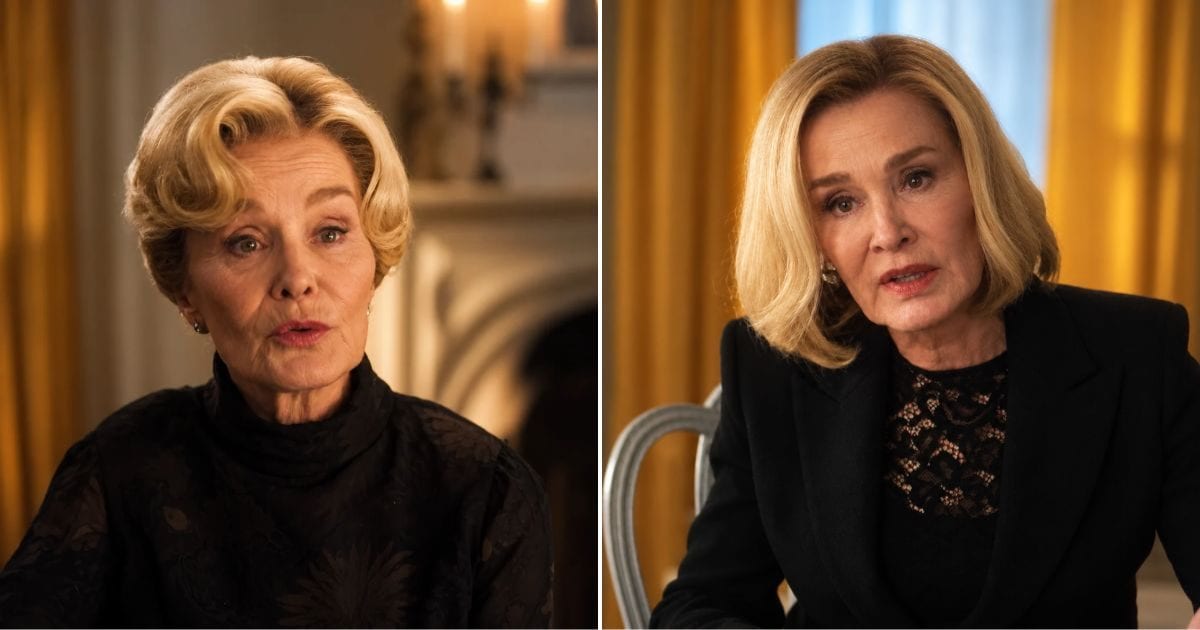
The focus of the Netflix series is on the private life of Nicolas and Alexandra, who loved their role as the Tsar and Tsarina of Russia, and their story, along with that of their country is narrated alternatively by actors and narrators who are historians. The trailer shows how the royal couple truly believed that nothing would ever come between them - they were of course, wrong about this. Not only was the Tsar burdened by the growing unrest in the country due to Russia's many losses in World War I, but also certain bad omens seemed to threaten his leadership and his personal life.
As one of the historians, Dr Pablo De Orellana, says in the trailer for the film, "Nicolas felt enormous pressure to continue the dynasty, and expand the empire." It is his actions driven by this pressure and the fear that came along with it, that forced the Tsar to lay the foundations for his own demise, by turning to mystic Grigori Rasputin in his time of need. Described as a monk or "strannik," he gained the royal grace by becoming a healer for Alexei, the Tsar and Tsarina's only son, who suffered from hemophilia, around 1906.
Alexandra and many others in the royal family believed that he was able to ease the Tsarevich's pain, and thus he began to exert his influence in royal and political matters. In fact, British historian Harold Shukmand even went on to call the mystic "an indispensable member of the royal entourage." With the Tsar naming him lampadnik, or lamplighter in the palace, giving him easy access to the palace and royal family. Over the years, he used his status and power to his complete advantage, taking bribes and sexual favors, and according to his critics, even had an affair with the Tsarina.
When the Tsar left the capital to oversee the Russian armies fighting in the Great War, Rasputin came under fire for his increasing drunkenness, sexual promiscuity, willingness to accept bribes and the ease with which he got people who criticized him removed from powerful roles. His influence over the Tsarina also came under scrutiny, with the Tsarina, who is of Anglo-German descent, even being accused of acting as a spy for the Germans.
Politicians and journalists who wanted to see the downfall of the Romanov dynasty used the unpopularity of the duo to their advantage. Along with his uncouth lifestyle, Rasputin unintentionally propelled the downfall of the Tsar by disputing with clergy members in public and bragging about his hold over the royals, among other things. He thereby diminished the respect the subjects had for their Tsar, who was already blamed for Russia's depleting economy, thereby propelling a revolution.
Eight days after February 23, 1917, mass protests began - which was primarily protesting food rationing - which included clashes with police and gendarmes, the last loyal forces of the Russian monarchy. After it ended, even the mutinous Russian Army forces had sided with the revolutionaries. Three days after that, Nicholas II abdicated the throne, thereby ending Romanov's rule. Following this, the royal family were imprisoned in the Alexander Palace before being moved to Tobolsk and then Yekaterinburg, where they were killed allegedly at the express command of Vladimir Lenin.
The thrilling and awe-inducing details that happened between these big events in Russian history would be explored in 'The Last Czar' which is set to premiere on July 3.