
China receives major trade boost amid Covid-19 pandemic as 15 Asia-Pacific nations sign biggest free deal RCEP
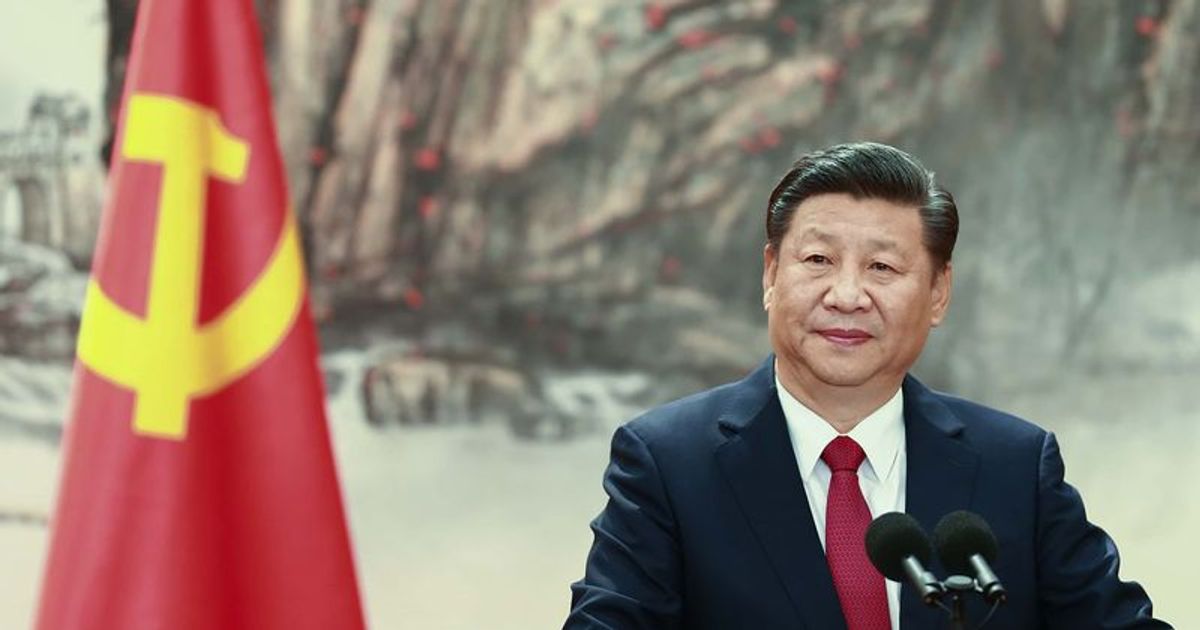
Even though it has faced criticism from across the world over the Covid-19 pandemic which has hit most economies on the planet, China has managed to extend its economic influence, thanks to the world’s biggest free trade deal which has been signed by 14 nations along with it.
The agreement – Regional Comprehensive Economic Partnership (RCEP) – was signed at a virtual regional summit hosted by Vietnam on Sunday, November 15. The free trade agreement was signed by 10 ASEAN (Association of South East Asian Nations) nations and five of their FTA (free trae ageement) partners – Australia, Japan, New Zealand, South Korea and China. These 15 countries make up about 30 percent of the world’s population and GDP, making it the largest trade bloc. It is expected to take effect within two years, after it was ratified by the member-nations.
China, the world’s second-largest economy, is one of the few economies that have weathered the onslaught of the pandemic which has affected more than 54 million people worldwide. The virus causing the pandemic originated from the Asian nation to wreak havoc worldwide. But China eventually managed to bring things under control.
China calls RCEP a ray of hope in difficult times
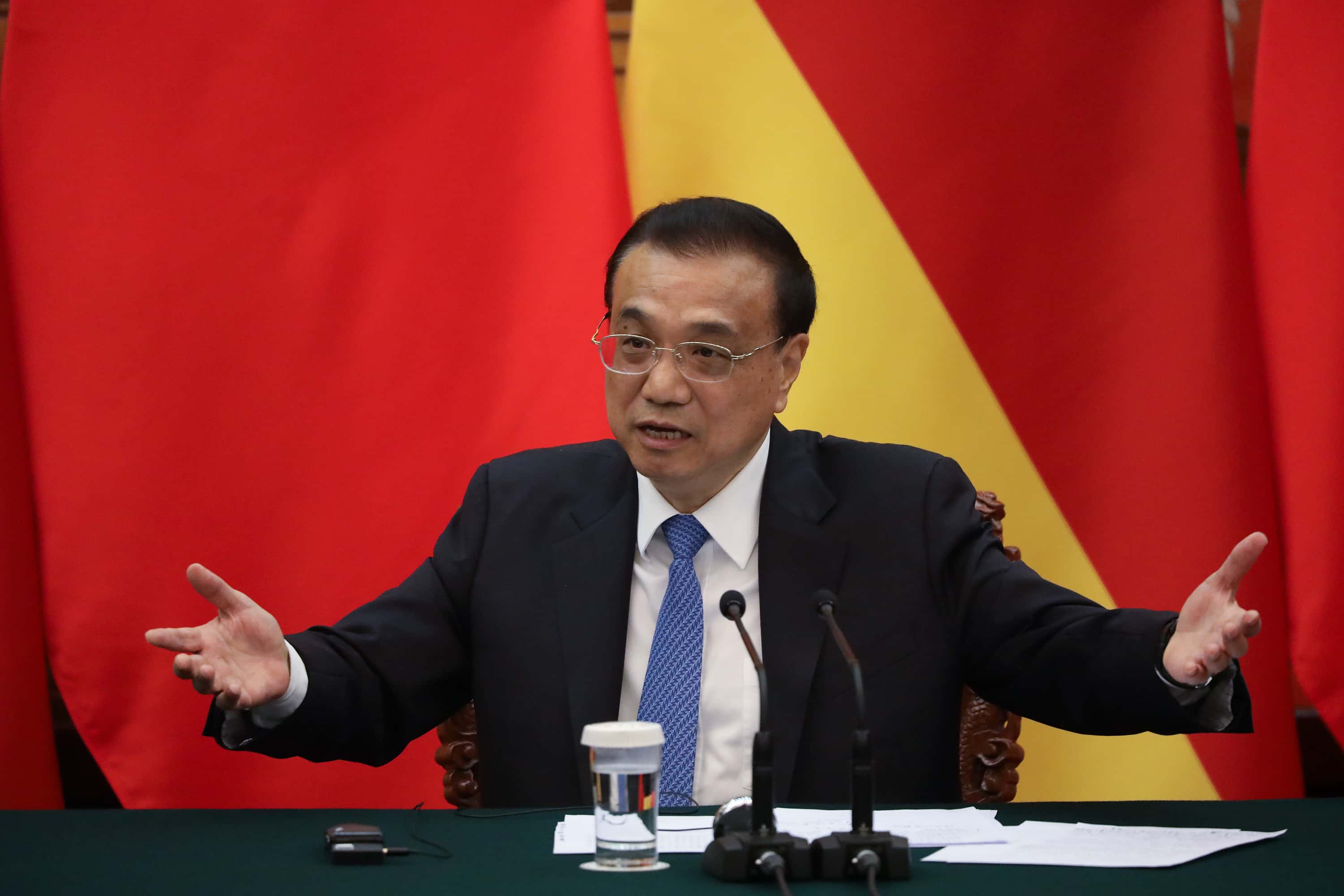
Chinese Premier Le Keqiang said after the virtual signing that under the current global scenario, the signing of the RCEP (after eight years of negotiations) brought a ray of hope. The RCEP was conceived at the 2011 ASEAN Summit in Bali and the negotiations were formally launched during the summit in Cambodia the next year. The 10 members of the ASEAN that are among the signatories of the trade pace are: Vietnam, Indonesia, Malaysia, Singapore, Brunei, Thailand, Laos, the Philippines, Laos and Cambodia.
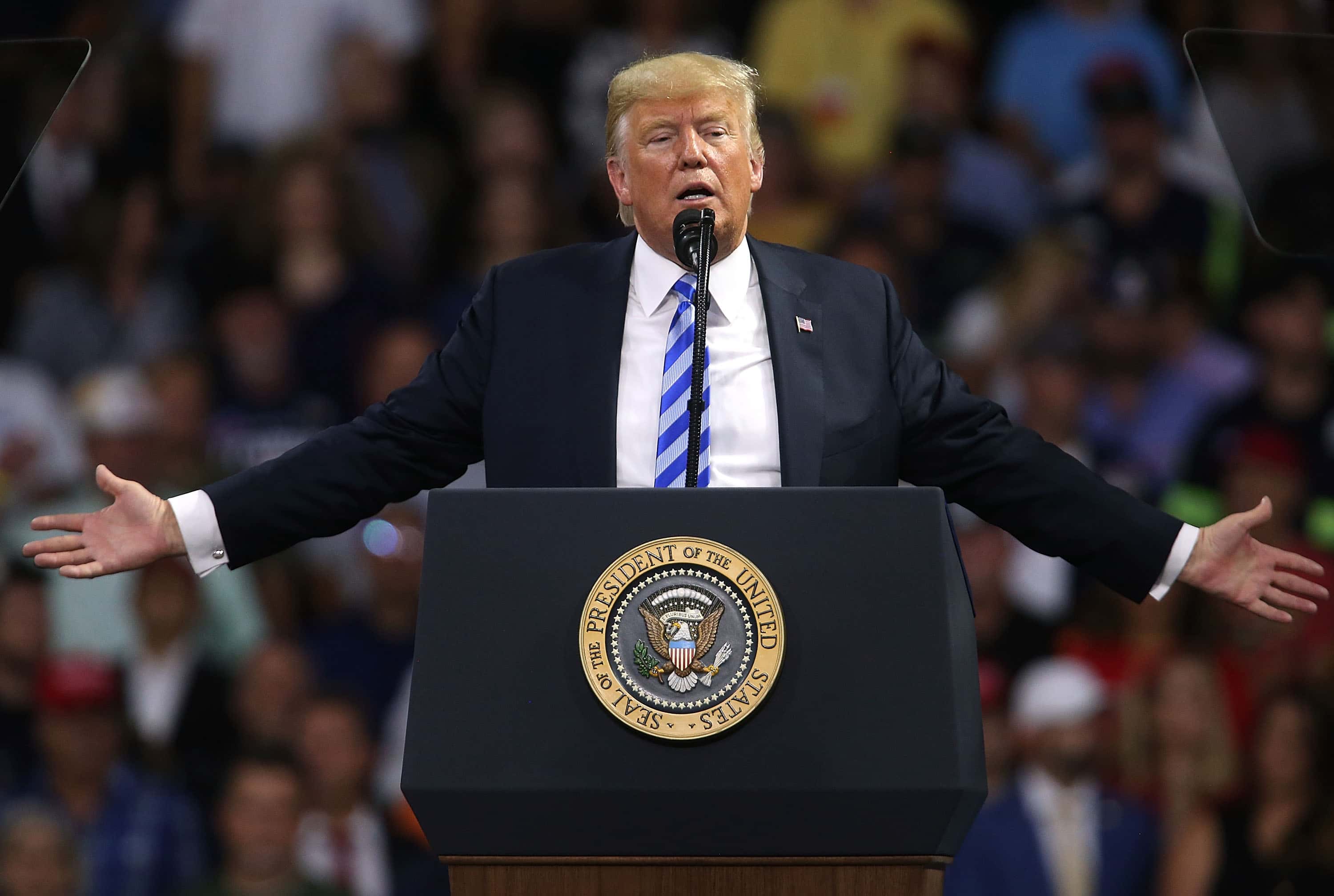
The pact which aims to lower tariffs and open up the services trade within the bloc excludes the US and is seen by many as a Chinese-led alternative to the Washington-led initiative which has now been hit. The RCEP is also the first free trade deal among three major Asian powers -- China, Japan and South Korea. For the US, this might look less than assuring since countries like Japan and South Korea have been its close allies in the region and opposed to China’s hegemony. It may be mentioned here that outgoing president Donald Trump formally withdrew the US from the Trans-Pacific Partnership trade deal soon after entering office in 2017 to distance the US from its Asian allies, paving the way for China to increase its influence. Trump said if the US continued to stay in the pact, it would have harmed its own manufacturing industry.
The RCEP was signed by prime ministers of the respective nations and their trade ministers at the virtual conference hosted by the Vietnamese delegation in Hanoi. Experts felt the pact did a favor to China’s broader regional ambitions around the Belt and Road Initiative. However, a number of nations that signed the agreement are still battling the pandemic and they are hoping that the RCEP will help them in dealing with the crippling effect of the pandemic. While Indonesia found itself engulfed by the first recession in 20 years recently, the Philippines’ economy has shrunk by more than 11 percent on-year in the last quarter. “Covid has reminded the region of why trade matters and governments are more eager than ever to have positive economic growth,” AFP quoted Deborah Elms, executive director of Singapore’s Asian Trade Centre, as saying.
India, a major economy, pulled out of the agreement last November expressing concerns over cheap Chinese goods flooding its market. It was absent during the virtual signing program though the signatories hoped it would rejoin the bloc in the near future, given its huge population and significant market. India has also been opposed to the BRI, thanks to its sour relations with China on political and military fronts.
The deal may make US rethink its position, says expert
Although American multinationals will gain from the RCEP through subsidiaries within the member states, analysts pointed out that the deal may make President-elect Joe Biden reassess Washington’s engagement in the key region. “This could see the US eye the potential benefits of joining the TPP's successor deal, the Comprehensive and Progressive Agreement for Trans-Pacific Partnership,” Rajiv Biswas, APAC chief economist at London-based IHS Markit, was quoted as saying by the AFP report.
"However, this is not expected to be an immediate priority issue... given the considerable negative response to the TPP negotiations from many segments of the US electorate due to concerns about US job losses to Asian countries," he added.


