
‘Better Call Saul’ wins lawsuit over tax company spoof as judge rules ‘no bad faith’ and 'intent to deceive'
NEW YORK CITY, NEW YORK: A popular TV show and its network have defeated a lawsuit from a tax preparation company that claimed the show copied and defamed its trademarks.
A federal judge ruled that the show’s use of a fictional tax company was a creative expression that did not harm or confuse the real company.
Besides citing the First Amendment and declining to exercise jurisdiction over its state claim, the judge also noted 'no bad faith' and 'intent to deceive.'
What does the lawsuit say?
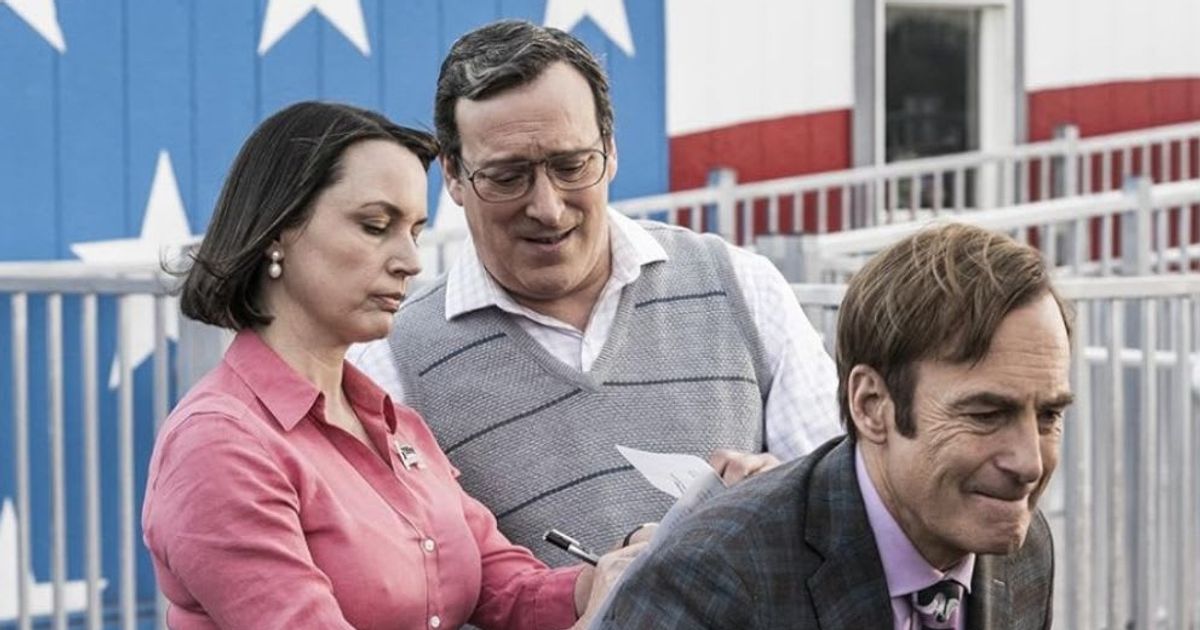
Liberty Tax Service sued ‘Better Call Saul’ and AMC Networks in 2022 over an episode that featured a tax company called Sweet Liberty Tax Service.
The episode was part of the sixth season of the show which is set in New Mexico. Sweet Liberty Tax Service was run by Craig Kettleman, a character who had just been released from prison for embezzlement.
He had appeared in the first season of the show as a client of Saul Goodman.
Liberty Tax Service claimed that Sweet Liberty Tax Service was a rip-off of its own business as it had a similar name, logo, and patriotic decorations such as an inflatable Statue of Liberty and American flag-style embellishments.

Liberty Tax Service also claimed that the show portrayed the fictional tax company in a negative light as it was associated with a criminal and a fraudster.
Judge found the show was protected by the First Amendment
However, US District Judge Paul Gardephe dismissed the lawsuit on Monday, finding that the show’s use of Sweet Liberty Tax Service was protected by the First Amendment as a form of artistic expression, Law and Crime reported.
He also found that there was no evidence that the show intended to deceive or capitalize on Liberty Tax Service’s trademarks.
“[T]he reference to ‘Sweet Liberty’ is clearly ironic and closely related to Craig Kettleman’s role in the series […] and the Kettlemans’ use of Plaintiff’s trade dress is a gaudy and shabby appropriation of patriotic imagery that highlights their hypocrisy and the tawdry nature of their crimes,” the ruling says.
Judge also cited 'no bad faith' on AMC’s part
The judge also noted that Liberty Tax Service did not provide any factual allegations to support its claim that consumers were misled or confused by the show’s use of Sweet Liberty Tax Service.
He said that there was no reason to believe that the show wanted to attract viewers by associating ‘Better Call Saul’ with a tax preparation business.
The judge also cited “no bad faith” on AMC’s part, as he found no facts to support an “intent to deceive” consumers or harm Liberty Tax Service’s reputation.
The judge dismissed Liberty Tax Service’s federal trademark claims, and declined to exercise jurisdiction over its state defamation claim.


